Homeownership comes with countless responsibilities, from maintaining the exterior of the house to ensuring the plumbing and electrical systems are in working order. Among these responsibilities, one issue that is often overlooked is moisture management.
Excess moisture in a home can lead to a range of problems, from structural damage to health hazards. This is where a moisture meter becomes an indispensable tool for homeowners. In this article, we will explore why every homeowner needs a meter and how it can protect your investment and your well-being.
Understanding Moisture and Its Risks
Moisture is a natural part of our environment, and some level of it is unavoidable. However, when moisture accumulates excessively in walls, floors, or ceilings, it can lead to significant problems. One of the most common consequences of excess moisture is structural damage. Wooden beams, subfloors, and framing are particularly vulnerable to rot when exposed to prolonged dampness. Over time, this can compromise the integrity of the building and result in costly repairs.
Another serious concern is mold growth. Mold thrives in damp environments, and its presence in a home can cause a variety of health issues, particularly for those with allergies, asthma, or weakened immune systems. Mold spores can spread quickly, and once mold establishes itself, removal can be a complex and expensive process. Moisture meters help homeowners detect areas of concern before mold becomes a serious problem.
Additionally, excessive moisture can affect the longevity of household materials. Hardwood floors can warp, paint can peel, and drywall can become soft or crumble. Even seemingly minor moisture issues can reduce the value of your home over time.
What Is a Moisture Meter?
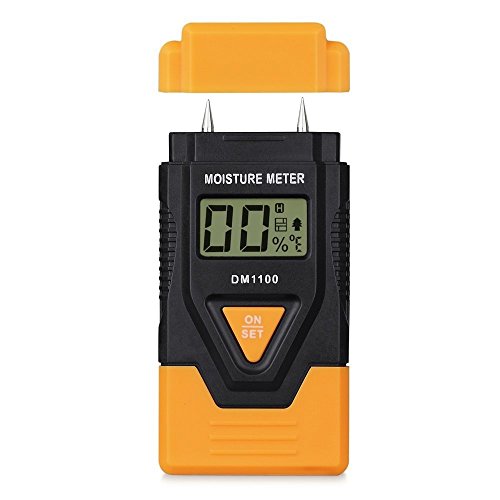
A moisture meter is a device designed to measure the moisture content in various materials. There are two main types: pin meters and pinless meters. Pin meters work by inserting two small probes into the material, which measure electrical resistance to determine moisture levels. Pinless meters use electromagnetic signals to detect moisture without penetrating the surface. Both types provide readings that can alert homeowners to potential water problems before they become serious.
Early Detection Saves Money
One of the most compelling reasons to own a meter is early detection. Water damage is often hidden from view, occurring behind walls, under floors, or in crawl spaces. By using a meter, homeowners can identify areas with elevated moisture levels and take action before visible signs of damage appear.
Consider the cost comparison: repairing a small area of damp drywall or subfloor detected early might cost a few hundred dollars. If left unchecked, that same moisture issue could lead to mold remediation, structural repairs, and potentially replacement of large sections of the home—easily amounting to thousands of dollars. A meter is a small investment that can prevent these much larger expenses.
Protecting Your Health
Health considerations are another critical reason to use a meter. As mentioned, mold thrives in damp conditions, and exposure to mold spores can trigger allergic reactions, respiratory problems, and other health issues. In some cases, prolonged exposure to certain types of mold can lead to more severe illnesses. By regularly checking moisture levels in susceptible areas—such as basements, bathrooms, kitchens, and attics—homeowners can reduce the risk of mold growth and maintain a healthier indoor environment.
Moisture are particularly useful in regions with high humidity, where even small leaks or condensation can create ideal conditions for mold. For families with children, elderly members, or individuals with asthma, early detection and prevention of moisture-related issues is essential.
Facilitating Home Maintenance
Routine home maintenance is simplified with a meter. Many homeowners focus on cosmetic issues or obvious signs of wear while neglecting hidden problems. Moisture allows for a proactive approach to home maintenance. For example, before painting a wall or installing hardwood flooring, it is crucial to ensure that the substrate is dry. Installing new materials over a damp surface can lead to peeling, warping, or failure of adhesives.
Moisture meters also help in assessing areas prone to leaks, such as around windows, doors, or plumbing fixtures. By identifying problem areas, homeowners can implement preventive measures, such as sealing gaps, installing dehumidifiers, or improving ventilation. This not only preserves the home’s condition but also extends the lifespan of its components.
Evaluating Real Estate and Renovation Projects
A moisture meter is also an invaluable tool for homeowners involved in real estate transactions or renovations. When buying a home, hidden moisture issues can be a costly surprise. A quick scan with a meter can reveal potential problems before making a purchase. This gives buyers the leverage to negotiate repairs or reconsider the investment entirely.
For renovation projects, a moisture ensures that building materials are at the correct moisture levels before installation. For example, hardwood flooring or engineered wood products must meet specific moisture content requirements to prevent expansion or contraction. Using a meter guarantees that these standards are met, reducing the likelihood of future issues.
Types of Moisture and Choosing the Right One
Homeowners have options when it comes to meters. Pin meters are highly accurate for measuring moisture deep within wood and other materials. They are excellent for detecting hidden water damage in walls, floors, and furniture. Pinless meters, on the other hand, are non-invasive and allow for quick scanning of larger areas without leaving marks. Some advanced models even feature digital displays, data logging, and alarms for high moisture readings.
Choosing the right moisture depends on your specific needs. For general home maintenance, a pinless meter may be sufficient. For more detailed inspections, such as checking structural timbers or subfloors, a pin meter is often preferable. Many homeowners benefit from owning both types for comprehensive coverage.
Practical Tips for Using a Moisture Meter
To get the most value from a meter, homeowners should follow a few practical tips:
Regularly Inspect Susceptible Areas: Check basements, attics, bathrooms, kitchens, and areas around plumbing fixtures at least a few times a year.
Compare Readings: Track moisture readings over time to identify trends or sudden increases that may indicate leaks.
Verify Construction Materials: Different materials have varying acceptable moisture levels; consult manufacturer guidelines for flooring, wood, and drywall.
Take Action Immediately: If elevated moisture is detected, address the issue promptly through ventilation, dehumidification, or repair.
Conclusion
A moisture meter is more than just a tool; it’s a safeguard for your home, health, and finances. Excess moisture can lead to structural damage, mold growth, and costly repairs, but early detection allows homeowners to take preventive measures. Whether used for routine home maintenance, renovation projects, or real estate evaluation, a meter provides invaluable insight into hidden problems that could compromise your property.
