Efficient healthcare begins with smarter hospital management systems.
In the rapidly evolving landscape of modern healthcare, hospitals and clinical facilities face mounting pressure to deliver high‑quality care while simultaneously controlling operational costs, managing complex workflows, and responding swiftly to patient needs. A key component in addressing these challenges is the adoption of a robust Hospital Management Information System—a digital backbone that supports administrative, clinical, financial, and operational functions in one unified environment. With the right system in place, healthcare institutions can shift from reactive to proactive care delivery, optimise their resources, and ultimately create smarter, more efficient care‑centred organisations.
The Imperative for Change in Hospital Operations
Hospitals have traditionally operated within a structure of different: departments such as admissions, pharmacy, billing, laboratories, radiology, nursing and clinical services often maintain separate records and systems. Manual processes, paper‑based documentation, disparate scheduling tools and fragmented data flows contribute to inefficiency, errors and delays. These outdated practices hinder both the patient experience and clinical outcomes. Recognising this, healthcare leaders are increasingly turning to a Hospital Management Information System to bridge the gap between departments, automate workflows and centralise data for improved decision‑making and coordination. According to industry sources, such systems significantly improve workflow and operational control.
By automating administrative tasks and creating a seamless flow of information across clinical and non‑clinical functions, hospitals can reduce waiting times, avoid duplication of effort, minimise errors and allow their staff to focus more on patient care rather than paperwork. The transition toward a digital environment becomes not simply an IT upgrade but a strategic investment in the future of healthcare delivery.
What a Modern System Must Deliver
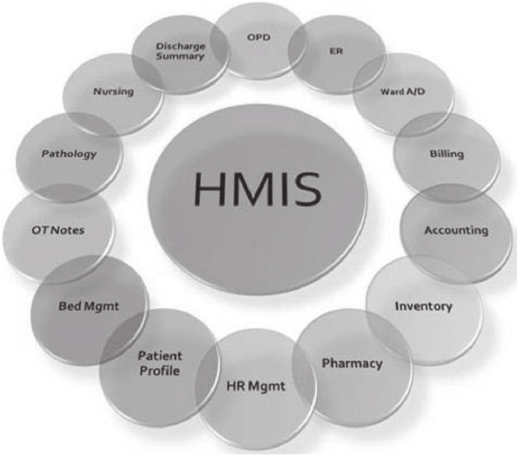
A Hospital Management Information System must be more than a digital version of a filing cabinet. It must provide real‑time access to patient data, integrate multiple departmental processes, support analytics and help hospital leadership steer the organisation with insight and agility. Key capabilities include centralized patient records, scheduling and admissions automation, billing and claims management, inventory and resource tracking, analytics dashboards and seamless interoperability with external systems.
A well‑designed system provides clinicians with timely access to a patient’s medical history, laboratory and imaging results, medication records, allergies and prior interventions—all in one interface. This fosters informed decision‑making and improves patient safety. At the same time, operational teams gain access to automation of tasks such as registration, discharge, inventory restocking and equipment maintenance, enabling the hospital to run more smoothly and efficiently.
Enhancing Patient Care and Safety
One of the most compelling benefits of adopting a Hospital Management Information System is its direct impact on patient care and safety. With timely access to comprehensive records, clinicians are better equipped to provide coordinated, informed care. The system’s support for alerts, drug‑interaction checks, allergy warnings and continuity of care across shifts contributes to improved outcomes and reduces medical errors. Patients benefit from reduced wait times, smoother transitions between departments and greater transparency in their care journey.
Beyond safety, a digital‑first hospital environment contributes to a more positive patient experience. For example, when appointments, test results and billing are managed efficiently, patients are more likely to feel valued and satisfied. Efficient workflows free up clinical time to engage with patients, deepening trust and improving overall satisfaction.
Driving Operational Efficiency and Financial Performance
While clinical benefits are core, the operational and financial advantages of a well‑implemented Hospital Management Information System cannot be overstated. Automation of routine administrative tasks reduces the burden on staff, allowing resources to be redirected toward patient care. Centralised systems eliminate duplication, reduce manual errors and help manage capacity more effectively. From a financial perspective, improved billing accuracy, streamlined claims processing and fewer administrative delays lead to enhanced revenue cycles and better cost control. Hospitals equipped with accurate, real‑time dashboards gain visibility into occupancy rates, service utilisation, supply chain efficiencies and revenue leakage—enabling them to act proactively rather than reactively.
Efficient resource allocation means better utilisation of beds, staff and equipment. As healthcare systems worldwide grapple with rising costs and constrained budgets, the ability to manage resources intelligently becomes a competitive advantage. By centralising operations and analytics, hospitals can reduce waste, improve productivity and deliver a higher return on investment.
Enabling Strategic Insights through Data and Analytics
At its core, the value of a Hospital Management Information System (HMIS) lies in the data it collects and the insights it enables. The digital records and operational analytics generated across departments provide a rich foundation for understanding trends, identifying bottlenecks, and forecasting future demands. From capacity management to staffing optimization, patient-flow modelling to predictive staffing, analytics enable leadership to base decisions on evidence rather than instinct.
As hospitals adopt more advanced capabilities—such as machine learning, predictive modelling, and real-time dashboards—the Hospital Management Information System helps them move toward not just managing resources but anticipating needs. For example, an integrated system might identify that a particular specialty clinic is consistently over-booked on Thursdays and suggest staffing adjustments or schedule flexibility. Alternatively, equipment usage trends could flag maintenance requirements before a breakdown occurs. These capabilities transform hospital management from reactive crisis-response to proactive strategy execution, empowering healthcare organizations to deliver efficient, data-driven, and patient-centric services.
Implementation Considerations for Successful Adoption
While the benefits are clear, implementing a Hospital Management Information System is a complex process that requires thorough planning, stakeholder engagement and change‑management. The journey begins with a clear definition of goals, workflow mapping, and process redesign before technology selection. It is essential to involve all relevant stakeholders—clinicians, administrators, IT, finance and operations—to ensure the system supports real‑world workflows and is adopted successfully.
Selecting a vendor that offers interoperability, scalability, user-friendly design and strong training and support is vital when implementing a Hospital Management Information System. Data security and regulatory compliance, such as HIPAA, GDPR or local equivalents, must be baked into the system’s architecture from the start. Consistent and ongoing staff training is required to ensure effective usage and to minimise resistance to change. Many successful adopters of a Hospital Management Information System favour a phased approach rather than a full-scale “big-bang” rollout, allowing refinement of processes and minimising operational disruption.
In the early days, measuring success through key performance indicators—such as reduction in wait times, fewer errors, improved revenue cycle metrics, staff satisfaction and patient outcomes—is critical. Continuous monitoring, feedback loops and iterative refinement turn a system into an embedded asset, not just an installation.
Why Choose the Right Platform for Modern Care
In selecting the right Hospital Management Information System, hospitals must look beyond features to the broader vision of the platform: how it aligns with the healthcare organisation’s strategic plan, how it will evolve over time, and how it supports transformation rather than simply automation. A platform that is modular, flexible, cloud-ready, and designed with healthcare workflows in mind offers more lasting value.
One platform that exemplifies this modern approach is a Hospital Management Information System offered by Hosval. This system is engineered to integrate deeply into hospital workflows, offering advanced capabilities, real-time dashboards, strong analytics, and built-in compliance. It provides hospitals with the toolkit to deliver smarter care, optimise operations, and drive meaningful change.
Choosing the right Hospital Management Information System entails evaluating vendor credentials, user references, roadmap alignment, implementation methodology and total cost of ownership. Hospitals must ensure that the system will evolve with technology—supporting mobility, telemedicine, remote monitoring and emerging models of care.
The Future: Healthcare Reimagined
As healthcare continues to evolve, the Hospital Management Information System will no longer be a back‑office utility; it will become the strategic platform that enables new models of care. Telehealth, remote patient monitoring, home‑care integration, predictive analytics and personalized medicine will all rely on robust data and connectivity that such systems provide.
Decision‑support tools, AI‑powered insights and real‑time operational control will transform hospitals into agile, patient‑centric institutions. Management will shift from reacting to crises to orchestrating care, resources and experience proactively. Hospitals that invest today in their digital platform position themselves not just for improved operations but for leadership in their regions and markets.
In this context, the choice of system becomes not just a technology decision but a strategic healthcare investment.
Take Action: Build Smarter Hospitals Today
If your hospital or healthcare facility is ready to elevate performance, improve patient outcomes and enhance operational resilience, now is the time to act. Investing in a Hospital Management Information System can transform how your institution operates, coordinates care and engages patients. With the right platform at the core, you can reduce inefficiencies, deepen clinician engagement, optimise financial performance and deliver a superior experience for patients.
For institutions seeking a comprehensive, future‑ready solution, the platform developed by Hosval represents a compelling option. Contact their team today to learn how this modern tool can be target to your organisation’s unique needs, mapped to your workflows and deployed with minimal disruption. Begin the transformation to smarter, data‑driven, patient‑centric care — your path to the future of healthcare starts now.