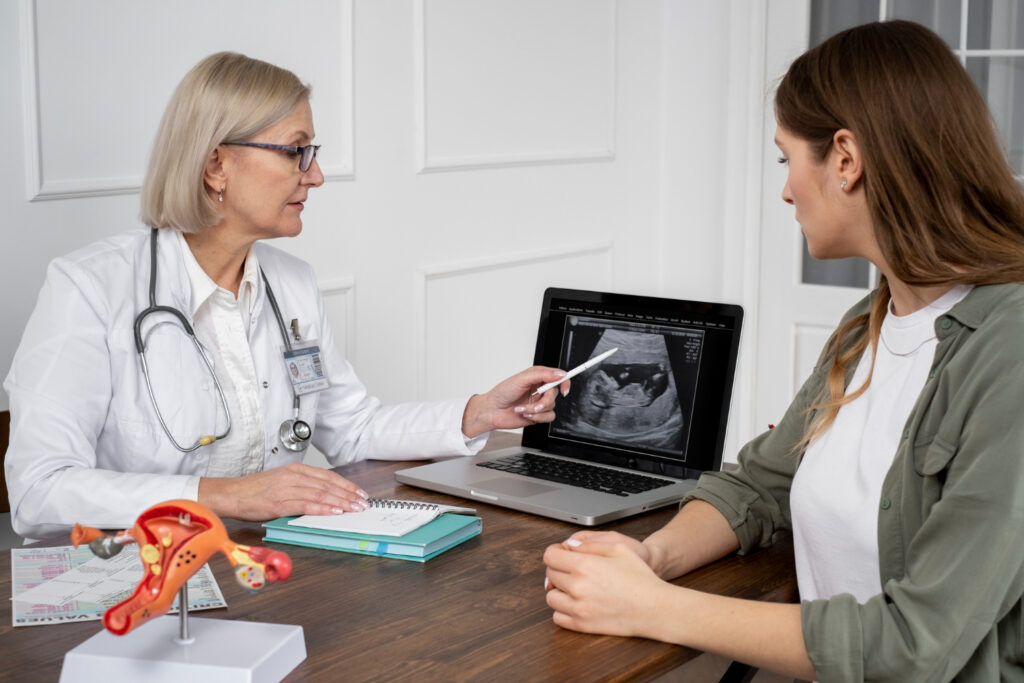
Fertility Concerns After Ovarian Tumour Treatment: Guidance from Delhi’s Experts
Ovarian tumours can affect a woman’s health and raise important questions about fertility and recovery. For many, completing treatment marks not just the end of a medical journey but the beginning of new concerns about conceiving in the future. Understanding how treatment impacts reproductive health helps women make informed decisions and plan ahead with confidence. This article explores how ovarian tumour treatment influences fertility and how expert guidance supports women in planning their next steps.
Understanding Fertility Implications
After treatment, many women seek clarity about their fertility and future family plans. BLK-Max Super Speciality Hospital, has become a trusted destination for the treatment of ovarian tumour in Delhi, offering advanced care and experienced specialists. Experts explain that fertility outcomes depend on several key factors:
- Type and stage of tumour: Determine how treatment may affect reproductive health.
- Therapy used: Surgery, chemotherapy, or radiation can impact ovarian function differently.
- Individual response: Some women maintain normal cycles, while others may notice reduced egg reserve.
Discussing fertility preservation, assisted reproduction, or regular monitoring with doctors helps women make confident, well-informed decisions about motherhood after recovery.
Pre-Treatment Fertility Assessment
Before beginning ovarian tumour treatment, doctors may recommend a fertility assessment to understand how therapy could influence future conception. This evaluation helps specialists design a treatment plan that supports both recovery and long-term fertility goals.
Common steps include:
- Blood tests: Assess hormone levels like estrogen and inhibin that indicate ovarian function.
- Ultrasound scans: Evaluate ovarian reserve and overall reproductive health.
- Fertility consultations: Discuss preservation options before therapy begins.
Taking these steps early helps women plan treatment confidently and maintain focus on their fertility journey after recovery.
Surgical Treatment and Fertility
Surgery is often a crucial part of ovarian tumour treatment, where doctors focus on removing the tumour while protecting fertility whenever possible. The choice of surgery depends on the tumour’s size, stage, and nature, as well as the woman’s family planning goals.
Common surgical approaches include:
- Ovarian cystectomy: Removes the cyst while keeping healthy ovarian tissue intact.
- Unilateral oophorectomy: Removes one ovary, allowing the other to continue supporting natural conception.
- Bilateral oophorectomy: Removes both ovaries, affecting natural conception but allowing assisted fertility options later.
Each surgery is planned carefully to ensure complete tumour removal while maximising fertility potential and supporting long-term reproductive health.
Chemotherapy and Other Therapies
Doctors may recommend chemotherapy or other therapies after surgery to eliminate remaining tumour cells, though these treatments can sometimes affect ovarian function. Key considerations include:
- Chemotherapy can affect egg quality and reduce ovarian reserve in some women.
- Hormonal therapies might temporarily alter menstrual cycles or ovulation patterns.
- Early involvement of fertility specialists can help women plan preservation methods before starting therapy.
With proper guidance and care from fertility and oncology experts, it will help women recover confidently while planning for future motherhood.
Fertility Preservation Options
Women planning a family after ovarian tumour treatment have several fertility preservation options. Specialists create tailored plans based on age, treatment type, and reproductive goals. At BLK-Max Super Speciality Hospital, advanced techniques support future conception.
Common options include:
- Egg or embryo freezing before chemotherapy
- Ovarian tissue preservation, especially for younger women
- IVF or assisted reproduction after treatment
- Donor egg use when ovarian function is affected
Early discussion of these choices helps women stay informed and confident about motherhood after recovery.
Counselling and Emotional Support
Ovarian tumour treatment can bring both physical and emotional challenges, especially when fertility is affected. BLK-Max Super Speciality Hospital in Delhi offers dedicated counselling and support to help women cope with these concerns confidently.
Supportive services include:
- Personal counselling with fertility and mental health experts
- Group sessions for shared experiences and reassurance
- Professional guidance on family planning after treatment
These services provide not just medical care but also the emotional strength and clarity needed to move forward with hope.
Monitoring and Follow-Up Care
After treatment of ovarian tumour, regular follow-up care helps maintain fertility and overall wellbeing. Specialists monitor recovery to support future pregnancy planning and stable reproductive health.
Follow-up care generally includes:
- Routine ultrasounds and blood tests to assess ovarian recovery
- Hormone evaluations to understand fertility levels
- Periodic consultations with fertility experts for family planning advice
Consistent monitoring and timely guidance help women stay informed about their progress and move forward with greater confidence in their health and family planning.
Lifestyle Considerations for Fertility
After ovarian tumour treatment, adopting a healthy lifestyle can make a positive difference to fertility and overall recovery. Specialists emphasise that small, consistent habits often have long-term benefits for reproductive health.
Helpful lifestyle practices include:
- Eating a well-balanced diet rich in nutrients that support hormonal balance
- Staying active with light to moderate exercise to enhance overall fitness
- Avoiding smoking and reducing alcohol consumption
- Managing stress through relaxation techniques, counselling, or support groups
Making Informed Decisions
Every woman’s experience after treatment of ovarian tumour is unique, so fertility decisions should be made with expert guidance. Open discussions with doctors help women understand their options and plan confidently. Early fertility counselling supports balanced recovery and future planning. By staying informed and consulting specialists regularly, women can move forward with clarity about their health and reproductive goals.
Conclusion
Fertility concerns after ovarian tumour treatment can be both emotional and physical. With proper care, guidance, and timely planning, women can safeguard their health and explore options for future motherhood. Staying informed and working closely with specialists helps ensure a confident and hopeful recovery.