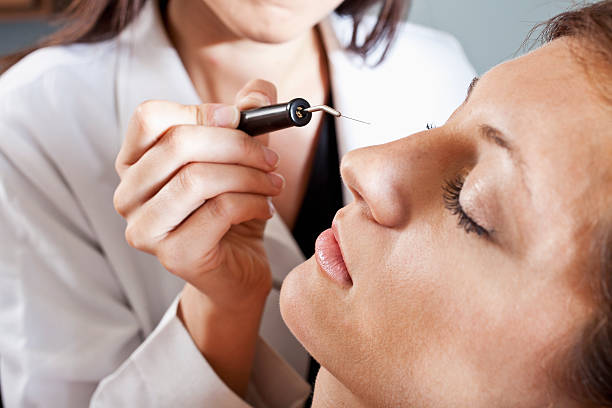
Chronic runny nose, nasal congestion, and frequent headaches can all be signs of underlying nasal conditions such as turbinate hypertrophy or chronic rhinitis. When these symptoms interfere with daily life, one effective treatment option is radiofrequency nose cauterization, also known as nasal cautery. This minimally invasive procedure gently shrinks swollen nasal tissues, improves airflow, and reduces the frequency of nasal blockages. Unlike traditional surgery, nasal cautery involves minimal discomfort, quick recovery, and long-lasting relief, helping patients breathe more easily and comfortably.
What is radio wave coagulation?
Radiowave coagulation of the inferior turbinate is a minimally invasive procedure used to treat various ENT conditions. The procedure is performed using a special device that generates radio waves. These waves target the affected areas of the nasal mucosa, destroying blood vessels.
The procedure reduces the volume of submucosal tissue and reduces swelling. This eliminates the causes of nasal congestion and restores normal breathing. The procedure is painless and requires no lengthy recovery, making it an attractive option for many patients.
Indications and contraindications
Radio wave submucous coagulation of the nose is recommended in the following cases:
- chronic nasal breathing disorders;
- hypertrophy of the inferior nasal turbinates;
- nasal congestion caused by a deviated septum;
- vasomotor and allergic rhinitis.
In some cases, the procedure is contraindicated. Contraindications to radiowave coagulation include malignant tumors in the nose and paranasal sinuses, as well as the acute phase of inflammatory and infectious diseases. Furthermore, the procedure is not performed in patients with severe cardiovascular, renal, or liver disease, or diabetes.
Preparing for surgery
Although radiowave coagulation is considered a gentle, minimally invasive method, it is still a surgical procedure. Therefore, preparation includes a standard set of preoperative examinations. The patient undergoes a complete blood count, urine analysis, blood chemistry panel, coagulation profile, and ECG. A few days before the procedure, you should abstain from alcohol and limit the intensity of physical activity. You should also avoid crowded places to reduce the risk of contracting a viral infection. On the day of the procedure, it is recommended to arrive on an empty stomach.
How is radio wave coagulation performed?
The surgery lasts an average of 30-60 minutes, most of which is spent on ancillary procedures. The actual coagulation takes a few minutes. The procedure is performed on an outpatient or inpatient basis, under local or general anesthesia; hospitalization is required only for general anesthesia.
The course of the operation looks like this (treatment under local anesthesia):
- The doctor anesthetizes the surface in two stages: first with topical anesthesia, then with infiltration anesthesia.
- After the anesthesia takes effect, the doctor inserts an electrode into the inferior nasal concha, which generates radio waves.
- The waves heat the soft tissue and seal the blood vessels. The submucosa shrinks, and swelling subsides.
The patient experiences no pain during the procedure, but may feel a slight tingling or burning sensation. After the procedure, the doctor inserts cotton swabs into the nasal passages. These can be removed the following day.
Recovery period
After coagulation of the inferior turbinate, the patient must follow a number of simple rules to speed up the recovery process and avoid possible complications:
- refrain from physical activity for 10-14 days after the procedure;
- avoid visiting bathhouses, saunas, and swimming pools;
- Do not perform any hygienic procedures in the nasal area during the first 24 hours (do not blow your nose, do not remove any crusts);
- do not use vasoconstrictor drugs;
- treat the mucous membrane with medications prescribed by the doctor.
During the first few days after the procedure, a slight fever, swelling, and discomfort in the nose are possible. These are normal and will resolve on their own. Nasal breathing will be difficult for 3-4 days, after which it will gradually improve. The entire recovery period usually takes about two, sometimes four weeks.
Benefits of treatment at the Consultant ENT private clinic
At the Consultant ENT, Head, and Neck Surgery Clinic, we offer diagnostics, prevention, and conservative and surgical treatment of ear, throat, and nose diseases in adults and children.
Advantages of performing radio wave coagulation in our clinic:
- minimal trauma and safety;
- absence of bleeding and hematomas;
- short recovery period;
- high efficiency – improvement in breathing is observed already in the first days after the procedure;
- The operation can be performed under either general or local anesthesia, which eliminates the risks (in individual cases) associated with general anesthesia.
We are proud that our doctors have experience working in leading international and Uk clinics and adhere to a comprehensive approach to diagnosis and treatment. We collaborate with specialists in related fields to determine the most effective strategy and reduce the risk of complications for each patient.
24/7 emergency
Our patients have access to 24/7 emergency care and prompt diagnostics using state-of-the-art equipment, including ultrasound, X-ray, CT, and MRI , as well as our in-house laboratory. This allows us to quickly establish an accurate diagnosis and prescribe the appropriate treatment. Don’t put off taking care of your health. Schedule an appointment, and our specialists will help you regain comfortable breathing.
Question and Answer
How long does it take for the nose to heal after radio wave coagulation?
Complete healing usually occurs within 1-2 weeks (in individual cases up to 4 weeks).
When will my nose start breathing again after a vasotomy?
Improvement in breathing is usually observed within the first few days after the procedure, as soon as postoperative swelling subsides.
Which type of vasotomy is best?
This depends on the patient’s medical history and health status. In some cases, radiofrequency coagulation is preferable, while in others, laser vasotomy is preferable. The decision on which method to choose is made by the doctor after diagnosis and discussion of all possible risks and benefits with the patient.