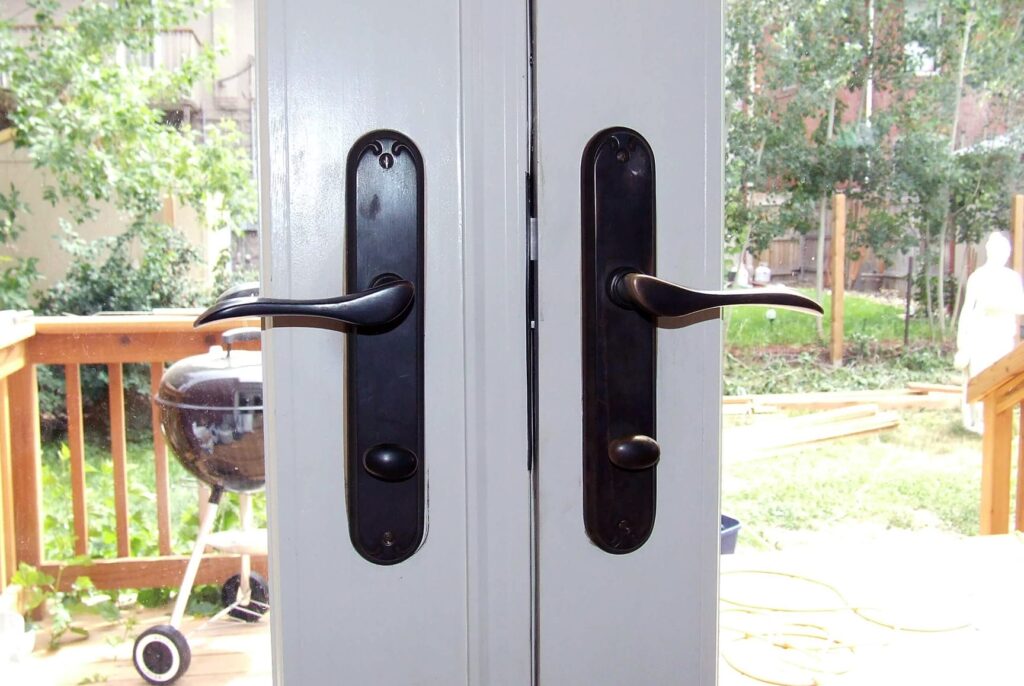
A Lockable Patio Door does more than frame your view and let sunshine in — it’s a transition point between private indoor space and the larger, sometimes unpredictable outdoors. For modern homes that value clean lines, natural light, and smart security.
Choosing a patio door means balancing style with safeguards. Below are the top lockable patio door designs that combine contemporary aesthetics with strong security features, plus practical tips for choosing and maintaining the right option for your home.
1. Sliding Patio Doors (with Multi-Point Locking)
Sliding doors are a staple in modern architecture because they take up minimal floor space and provide wide, unobstructed views. The security evolution: traditional single-point latches have largely been replaced by multi-point locking systems.
These locks engage at several points along the Lockable Patio Door when you lift the handle or use a key, making forced entry far more difficult. Look for anti-lift devices that prevent the door from being lifted off its track, and reinforced bottom rails that resist prying.
Best for: narrow footprints, expansive glass walls, living rooms that open onto patios or pools.
2. French Patio Doors (Hinged Double Doors with Multipoint & Flush Bolts)
French doors offer timeless elegance and a symmetrical look that suits both classic and modern homes. Contemporary versions often feature slim frames, large glass panels, and sleek hardware.
For security, choose French doors with multipoint locks that cinch the doors tightly into the frame, plus flush bolts on the inactive leaf that secure the bottom and top when closed. Consider beautiful but strong hinges rated for heavy use and weather sealing to improve thermal performance.
Best for: transitional interiors, balconies, and garden access where you want an elegant entrance.
3. Bi-Fold / Folding Patio Doors (with Shoot Bolts & Central Multi-Point Locking)
Bi-fold or folding doors create dramatic openings by stacking panels neatly to one side. They’re popular for indoor-outdoor living, restaurant patios, and modern kitchen extensions. Because they have multiple panels, look for systems where the main active door uses a central multipoint lock and the folding panels employ shoot bolts (top and bottom) that lock into the frame or sill. High-quality systems also have interlocking stiles that make the closed door far more rigid and harder to force.
Best for: wide openings, connecting indoor living spaces with decks, and high-impact modern design.
4. Stacking Sliding Doors (with Hook Locks & Anti-Jump Technology)
Stacking sliding doors are similar to sliding doors but with multiple panels that stack behind one another to create very wide openings. For security, high-quality hook locks that draw the door in tightly to the frame are ideal because they resist outward force. Anti-jump/anti-derail devices prevent panels from being lifted from the track. Look for centralized locking options that engage all panels simultaneously for convenience and safety.
Best for: panoramic views, rooms that open entirely to the outdoors.
5. Pivot Patio Doors (with Heavy-Duty Mortise Locks)
Pivot doors rotate on top and bottom pivot hinges rather than conventional side hinges, creating a bold modern statement. Because of their unique mechanics, they require robust, often mortise-style locks that anchor into a reinforced frame. Choose a model with internal reinforcements and a deadbolt integrated in the pivot stile. Pivot doors can be heavier than standard doors, so ensure the hardware is rated for the door’s weight and usage frequency.
Best for: bold entryways, contemporary homes that want architectural drama.
6. Pocket Patio Doors (with Flush Locks & Secondary Security)
Pocket doors slide into wall cavities and disappear — amazing for clean, minimalist interiors. The main challenge is integrating strong locks without protruding hardware. Flush or recessed locking mechanisms and secondary security devices (like removable security bars or keyed track locks) are effective. Also consider trailing-edge sensors (part of smart systems) that detect movement or forced entry when panels are retracted.
Best for: minimalist spaces, where you want the door out of sight when open.
7. Tilt-and-Turn Patio Doors (with Multipoint Locks and Easy Egress)
Tilt-and-turn systems offer dual functionality: tilt for ventilation, turn for full opening. Common in European designs, they’re gaining traction in modern homes for their flexibility. Security is excellent because these doors typically use advanced multipoint locking systems that engage hooks and bolts around the frame. They’re also great for safe ventilation without compromising security.
Best for: ventilation control, homes prioritizing both security and fresh air.
Security Features to Prioritize (Regardless of Style)
Multipoint Locking Systems: Lockable Patio Door, engage at multiple points (top, middle, bottom) with one action — much stronger than single deadbolts.
Anti-Lift/Anti-Jump Devices: Prevent panels from being lifted off tracks, a common attack method on sliding doors.
Reinforced Frames & Laminated/Tempered Glass: Laminated glass holds together when broken, and reinforced frames make prying far harder.
Smart Lock Integration: Remote locking, activity logs, and integration with home automation add convenience and real-time alerts — choose systems with strong encryption and reputable manufacturers.
Security Sensors & Cameras: Door contact sensors, glass-break detectors, and cameras provide layered protection.
Quality Hardware & Proper Installation: Even the best door is only as secure as its installation. Use certified installers and hardware rated for exterior use.
Materials & Finishes — Practical and Stylish
Aluminum: Slim sightlines, excellent for modern aesthetics, and resistant to rust. Pair with thermal breaks for energy efficiency.
Fiberglass: Durable, low-maintenance, and can mimic wood textures. Good for high-traffic areas.
Wood (Engineered): Warm and attractive, but needs maintenance. Use only with quality sealing and reinforced cores for security.
UPVC/Vinyl: Cost-effective, good thermal properties, and low-maintenance; choose reinforced uPVC frames for improved security.
Finishes: matte black or brushed stainless hardware is trendy and blends well with contemporary looks. For coastal homes, choose marine-grade finishes.
Practical Buying & Installation Tips
Measure Twice, Choose Once: Accurate dimensions and consideration of the swing/stacking path are essential.
Ask About Lock Ratings: Look for doors and locks with ANSI/BHMA or equivalent ratings for commercial-grade durability.
Consider Egress & Accessibility: Ensure doors meet local building codes for emergency exit and ADA-compliance where needed.
Think About Drainage & Weatherproofing: Water infiltration can weaken frames and hardware over time. Proper sills and flashing matter.
Plan for Maintenance: Lubricate tracks annually, check seals, and test locks periodically — longevity depends on care.
Maintenance & Longevity
Regular maintenance keeps locks reliable: clean and lubricate moving parts, keep tracks free of debris, and replace worn weatherstripping. If you have smart locks, keep firmware updated. For glass, consider coatings to reduce dirt and UV exposure.
Final Thoughts
Lockable Patio Door are no longer trade-offs between style and security. Advances in locking technology, materials, and engineering mean you can enjoy wide-open designs, uninterrupted views, and modern convenience without compromising safety.
Whether you choose a sleek sliding door with anti-lift hardware, dramatic pivot doors with mortise locks, or elegant French doors with multipoint systems, prioritize high-quality locks, professional installation, and materials suited to your climate and lifestyle. With those in place, your patio door becomes a beautiful, secure gateway, one that invites light and life in, while keeping what matters safe and sound.