The Sar Pass Trek is one of the most exciting high altitude treks in Himachal Pradesh. It offers a mix of dense forests, wide meadows, snow covered trails, and a thrilling summit climb. But along with its beauty comes a fair share of difficulty. Many trekkers often ask about the toughest parts of Sar Pass Trek before planning their journey.
At Himalayan Daredevils, we guide trekkers through this adventure every season, and from our experience, the trek is not just about scenic views it’s a true test of endurance, strength, and mindset. Whether you are a beginner or someone with prior trekking experience, understanding the challenges will help you prepare better.
Sar Pass Trek Challenges Overview
Before diving into the toughest parts of Sar Pass Trek, it’s important to understand its overall difficulty. The trek usually spans 5 to 6 days, covering around 40–45 km, and reaches an altitude of approximately 13,800 feet.
What makes this trek challenging is not just the distance, but the combination of factors like altitude gain, long walking hours, and changing terrain. The trail constantly shifts from forests to snowfields which keeps your body under continuous stress.
Many first timers underestimate the Sar Pass Trek challenges, especially when compared to beginner friendly treks. The presence of snow, steep ascents, and unpredictable weather adds to the overall difficulty.
Toughest Parts of Sar Pass Trek
1. Steep Climb to Sar Pass Summit
One of the toughest parts of Sar Pass Trek is the final push to the summit. This section involves a steep climb, often covered in snow, where every step demands effort.
The air gets thinner as you ascend, making breathing harder. Trekkers often need to slow down and maintain a steady pace. This part tests both physical strength and mental focus.
From our experience at Himalayan Daredevils, many trekkers find this section exhausting, especially if they are not used to high altitude trekking.
2. Snow Trekking Challenges
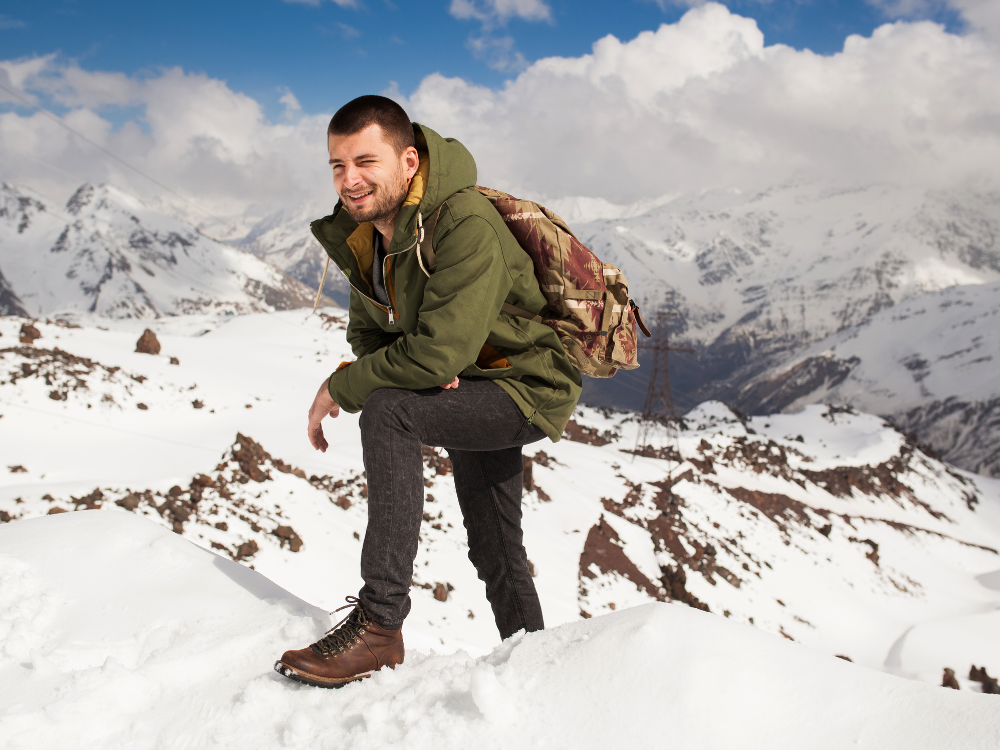
Snow is what makes this trek unique, but it also brings serious difficulty. The Sar Pass Trek snow trekking challenges include walking on slippery surfaces, sinking into soft snow, and maintaining balance on uneven terrain.
Post holing where your leg sinks deep into the snow can quickly drain your energy. Even experienced trekkers find this tiring.
The descent on snow, although fun, can be tricky. Without proper technique, there is a risk of slipping. This is why we always guide trekkers carefully during this section.
3. High Altitude and Acclimatization Issues
Another major factor in the toughest parts of Sar Pass Trek is altitude. As you climb higher, oxygen levels drop, which can lead to fatigue, headaches, or even altitude sickness.
The Sar Pass Trek altitude difficulty is real, especially for those coming directly from lower regions without proper acclimatization.
At Himalayan Daredevils, we ensure proper acclimatization schedules. Still, trekkers must listen to their bodies and stay hydrated. Ignoring early symptoms can make the trek much harder.
4. Long Trekking Hours & Endurance Test
This trek is not just about steep climbs. It’s also about consistency. Each day involves 6 to 8 hours of walking, making endurance a key requirement.
The Sar Pass Trek endurance level required is higher than most beginner treks. Walking for multiple days with a backpack can be physically draining.
Many trekkers say that the continuous effort over days is one of the toughest parts of Sar Pass Trek, even more than the summit climb itself.
5. Weather Challenges in the Himalayas
Weather in the mountains can change quickly. Clear skies can turn into snowfall or strong winds within hours.
The Sar Pass Trek weather challenges include cold nights, freezing temperatures, and sudden changes that can affect visibility and comfort.
We always advise trekkers to carry proper layers. Being underprepared for cold conditions can make even an easy section feel difficult.
6. Technical Trail Sections
While Sar Pass is not a technical trek, certain sections can still be tricky. Narrow trails, rocky patches, and forest routes require careful footing.
Descending after the summit can be especially challenging. Tired legs and slippery paths increase the chances of missteps.
These trail conditions are often overlooked, but they form an important part of the toughest parts of Sar Pass Trek.
Which Day Is the Toughest in Sar Pass Trek?
The summit day is widely considered the hardest. It starts early, often before sunrise, and involves a long climb to the pass followed by a descent.
Trekkers face multiple challenges on this day steep ascent, snow covered trails, and long walking hours. This combination makes it the most demanding part of the journey.
Sar Pass Trek Difficulty for Beginners
A common question we hear is: can beginners do this trek?
The answer is yes but with preparation. The Sar Pass Trek difficulty for first timers is manageable if you have good fitness and determination.
However, beginners should not take it lightly. Compared to easier treks, the Sar Pass Trek challenges are more intense. Proper training and guidance can make a big difference.
At Himalayan Daredevils, we support beginners with experienced trek leaders and structured plans to help them complete the trek safely.
Sar Pass Trek vs Kedarkantha: Difficulty Comparison
When comparing treks, many people look at Kedarkantha as a benchmark. While Kedarkantha is beginner friendly, Sar Pass is a step ahead in difficulty.
The Sar Pass Trek difficulty vs Kedarkantha comes down to longer duration, more altitude gain, and tougher snow sections.
Trekkers who have completed Kedarkantha often find Sar Pass more demanding, especially during the summit climb.
Fitness Requirements for Sar Pass Trek
To handle the toughest parts of Sar Pass Trek, fitness is crucial.
You should be able to:
- Run 5 km in 30–35 minutes
- Walk for 6–8 hours comfortably
- Carry a backpack without fatigue
Focus on cardio, leg strength, and stamina. Exercises like jogging, squats, and stair climbing can help build endurance.
We always recommend starting your preparation at least 3–4 weeks before the trek.
Risks and Safety on Sar Pass Trek
Like any high altitude trek, Sar Pass comes with certain risks.
The Sar Pass Trek risks and challenges include:
- Altitude sickness
- Slips on snow
- Weather exposure
With proper guidance, these risks can be managed effectively. At Himalayan Daredevils, we prioritize safety by providing experienced guides, proper equipment, and structured itineraries.
Staying hydrated, following instructions, and pacing yourself are key to staying safe.
How to Prepare for the Toughest Parts
Preparation can make a big difference in how you experience the trek.
Here’s what we suggest:
- Build stamina through regular cardio
- Strengthen your legs with basic exercises
- Practice walking on uneven terrain
- Carry proper trekking gear
Mental preparation is just as important. The toughest parts of Sar Pass Trek are easier to handle when you stay calm and focused.
Conclusion
The Sar Pass Trek is a rewarding journey, but it does come with challenges. From steep summit climbs to snow trekking and long walking hours, the toughest parts of Sar Pass Trek test your limits in many ways.
However, with the right preparation, mindset, and support, it is completely achievable. At Himalayan Daredevils, we believe that every trekker can complete this journey with proper guidance and determination.
If you are ready to push your limits and experience the thrill of the Himalayas, Sar Pass is the perfect adventure waiting for you.
FAQs
Which Is The Toughest Day In Sar Pass Trek?
The summit day is the toughest due to steep climbs, snow trails, and long trekking hours.
Is Sar Pass Trek Harder Than Kedarkantha?
Yes, Sar Pass is more challenging because of longer duration, higher altitude, and tougher terrain.
Can Beginners Do Sar Pass Trek?
Yes, beginners can do it with good fitness and preparation.
How Much Fitness Is Required For Sar Pass Trek?
You need good stamina and the ability to trek for 6–8 hours daily.
Is Sar Pass Trek Risky?
It has some risks like altitude sickness and snow slips, but it is safe with proper guidance.
What Makes Sar Pass Trek Challenging?
Steep climbs, snow sections, high altitude, and long trekking hours make it challenging.