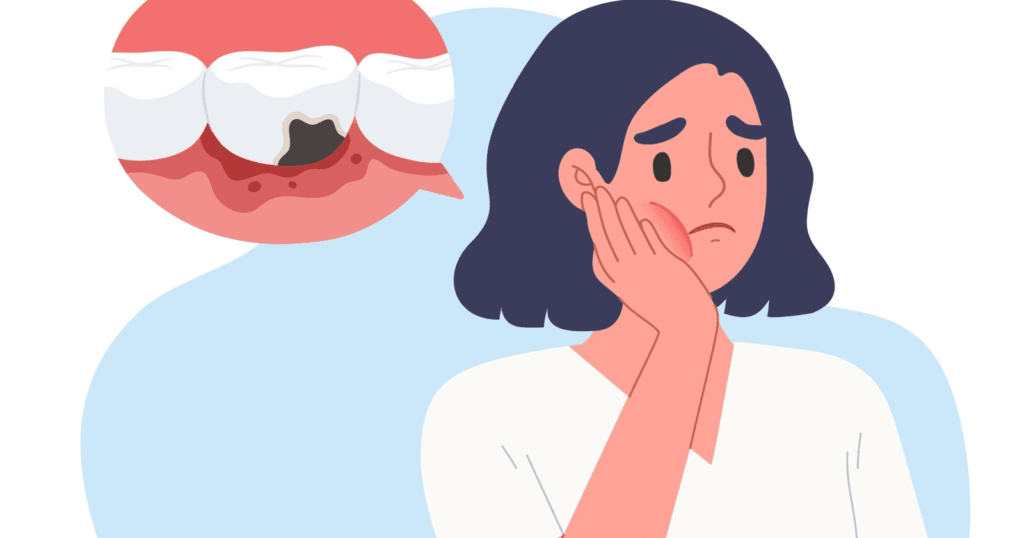
A toothache can be one of the most disruptive and uncomfortable experiences. Whether the pain is sharp, throbbing, or constant, it affects your ability to eat, sleep, talk, and focus. Tooth pain is often a sign of a deeper dental issue, and while temporary solutions can help you manage the discomfort, proper treatment is necessary to prevent long term damage. Understanding the causes of tooth pain, knowing what you can do at home, and seeking timely professional help are essential steps toward lasting comfort. This guide covers everything you need to know about easing dental pain and getting the right support.
Common Causes of Tooth Pain
Tooth pain is not a condition in itself. Instead, it is a symptom of an underlying issue. One of the most common causes is dental decay. When a cavity becomes deep enough to reach the inner layers of the tooth, nerves become irritated and produce pain. Gum disease is another major source of discomfort. Inflammation of the gums can lead to sensitivity, swelling, and even infection if left untreated.
Tooth fractures or chips caused by accidents or biting something hard can expose the sensitive layers inside the tooth, leading to pain. Sometimes, pain occurs due to dental abscesses, which are infections that form at the root of the tooth. These often produce severe, throbbing pain and require immediate treatment. Sensitivity from worn enamel or exposed roots can also result in discomfort when consuming hot, cold, sweet, or sour foods.
Understanding the root cause of your toothache is the first step toward effective relief. Without identifying the specific issue, temporary solutions may only mask the symptoms rather than address the real problem.
Home Remedies to Ease Tooth Pain
While professional dental care is the ultimate solution, certain home remedies can help reduce discomfort while you wait for an appointment. One of the most common methods is rinsing the mouth with warm saltwater. This helps clean the affected area, reduce inflammation, and wash away irritants. Saltwater is simple, natural, and effective for mild irritation and swelling.
Cold compresses are also widely recommended. Applying a cold pack to the outside of the cheek can reduce swelling and numb the area. This is especially helpful in cases of injury or gum inflammation. Over the counter pain relievers such as ibuprofen can also provide temporary comfort by reducing inflammation and easing pain.
Clove oil is a natural remedy known for its numbing effect. Applying a small amount to the affected area can reduce discomfort. Another helpful remedy is peppermint tea. Once cooled, peppermint tea bags can be placed against the sore area to offer relief.
These home remedies provide temporary comfort but should not replace professional dental care. They help manage symptoms for a short time but do not address the underlying cause of pain.
Professional Treatment Options
When home remedies are not enough or pain persists, seeing a dentist is essential. A dental examination will help identify the cause of the problem and the best treatment. If the pain is caused by a cavity, the dentist may recommend a filling. For deeper decay, a root canal may be necessary to remove the infected tissue and save the tooth.
In cases of gum disease, scaling and deep cleaning may be performed to remove plaque and bacteria from below the gum line. If an abscess is present, draining the infection and prescribing antibiotics may be required.
Cracked or broken teeth often require bonding, crowns, or sometimes extraction if the damage is severe. Sensitivity caused by enamel wear can be treated with fluoride gels or desensitizing pastes applied during dental visits.
Dentists can provide effective Toothache Relief by addressing the source of the pain directly. Attempting to manage severe pain without proper treatment can lead to more complications, including spreading infections or permanent damage to the tooth.
Prevention Tips for Long Term Comfort
The best way to avoid painful dental problems is through consistent preventive care. Brushing your teeth twice a day using fluoride toothpaste helps remove plaque that leads to decay. Flossing daily is equally important because it cleans areas that a toothbrush cannot reach.
Regular dental checkups every six months allow your dentist to identify early signs of cavities, gum disease, or sensitivity. Early detection often means simpler and less costly treatments.
Your diet also plays a major role in preventing tooth pain. Sugary snacks and acidic drinks weaken enamel and increase the risk of cavities. Drinking plenty of water, eating calcium rich foods, and maintaining balanced nutrition support stronger teeth and gums.
Avoiding habits such as chewing ice, grinding teeth, or using teeth to open packages can prevent fractures. Wearing a mouthguard at night can help if you grind your teeth while sleeping.
Maintaining good oral hygiene and preventing damage are the strongest defenses against dental pain. Healthy habits reduce the risk of needing emergency care and keep your smile comfortable and bright.
When to Seek Emergency Dental Care
Some toothaches require immediate attention. If you experience severe pain, swelling of the face, fever, difficulty opening your mouth, or bleeding that does not stop, seek urgent dental care. These symptoms may indicate infection or serious damage that needs immediate treatment.
Ignoring severe pain can lead to long term complications. An untreated abscess, for example, can spread to other parts of the body. Quick action ensures your safety, protects your oral health, and provides faster relief.
Conclusion
Tooth pain can be frustrating and overwhelming, but understanding the causes and knowing the right steps can help you find fast and effective relief. From simple home remedies to professional treatments, there are many ways to manage discomfort. Seeking timely care, practicing good oral hygiene, and maintaining healthy habits reduce the chances of experiencing severe dental issues in the future. Whether the pain is mild or intense, addressing it early ensures your comfort and protects your long term oral health. Working with a dental professional ensures safe, lasting, and dependable solutions for managing tooth pain and achieving better oral wellness.