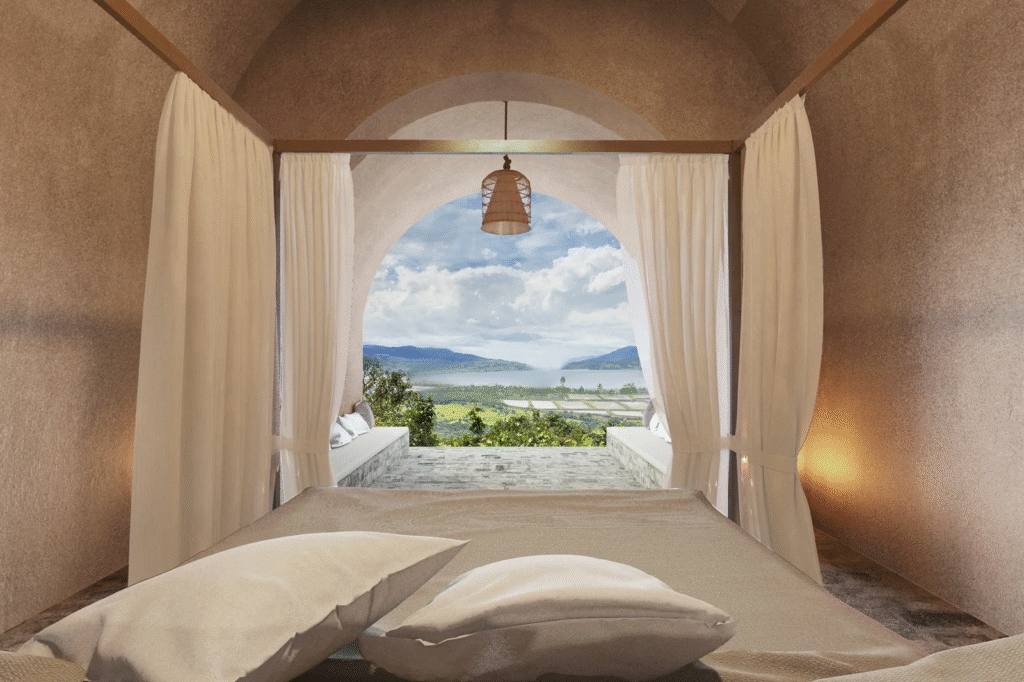
Architecture, when done right, transcends brick and mortar—it becomes an experience. In India, this philosophy has taken root in the hospitality sector, where design is no longer just about aesthetics but about evoking emotion, comfort, and connection. The most innovative hospitality architects in India are reimagining what it means to stay, dine, and relax by crafting spaces that reflect culture, sustainability, and human warmth. These architects are merging traditional craftsmanship with contemporary sensibilities, ensuring that every structure tells a story while treading lightly on the environment.
The Evolution of Hospitality Architecture in India
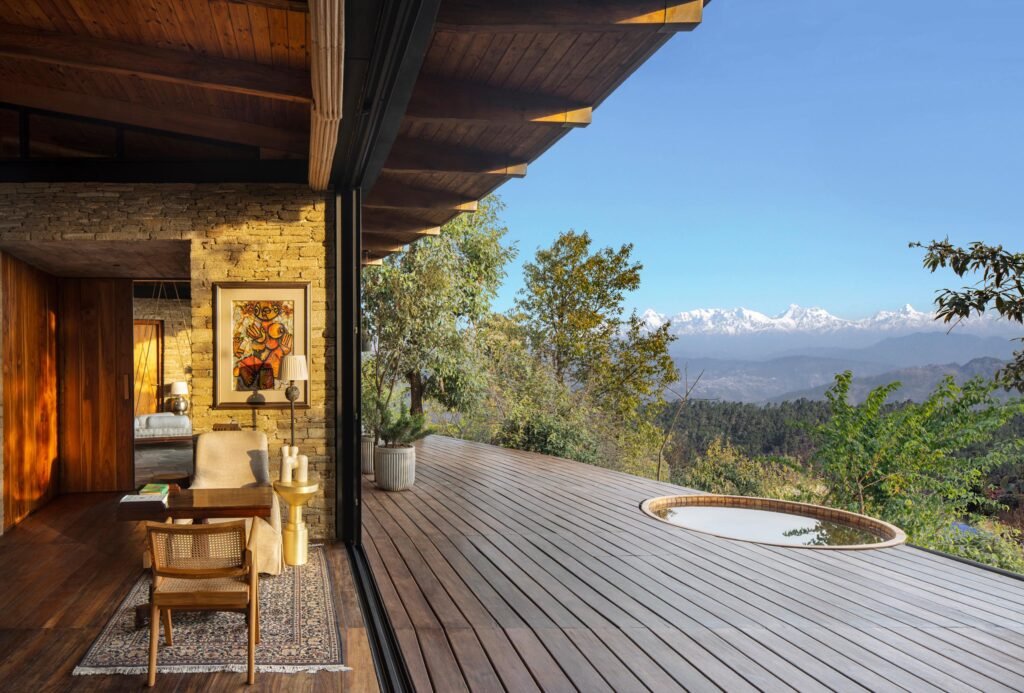
India’s hospitality industry has always been rich in diversity—ranging from royal palaces converted into luxury hotels to serene eco-resorts nestled in the Himalayas or along coastal backwaters. Over the past few decades, however, there has been a paradigm shift. Hospitality design is no longer about extravagance alone; it’s about creating meaningful experiences.
The hospitality architects in India of today are blurring the lines between nature, culture, and comfort. They are designing spaces that not only serve functional purposes but also resonate emotionally with guests. Hotels are being envisioned as immersive sanctuaries—where travelers connect with local traditions, natural surroundings, and sustainable practices.
This transformation stems from an understanding that the modern traveler seeks authenticity and mindfulness. As a result, architectural firms are focusing on contextual designs that respect local ecosystems, use indigenous materials, and embody regional aesthetics.
Designing Experiences, Not Just Buildings
In hospitality architecture, design dictates the entire guest journey—from the moment they walk through the entrance to every detail of their room. The hospitality architects in India who excel today go beyond creating physical structures—they curate experiences.
Each design decision, from lighting and material selection to spatial planning, is driven by emotion. For instance, natural light is used to enhance warmth and openness, while organic materials like stone, bamboo, or reclaimed wood create tactile comfort. The interplay of colors and textures often reflects the cultural identity of the region, allowing visitors to feel rooted in the space.
Boutique hotels and resorts designed by leading Indian architects often focus on sensory engagement—sound, touch, and even scent—to create unforgettable impressions. The goal is to design spaces that connect people with their surroundings and leave a lasting sense of tranquility.
The Rise of Sustainable Hospitality
As climate consciousness grows, sustainability has become a non-negotiable part of modern architecture. The eco friendly architects in India are leading a quiet revolution, proving that luxury and environmental responsibility can coexist harmoniously.
Hospitality spaces—once known for excessive energy use and waste—are now being redefined as models of green design. These architects prioritize sustainable building materials, energy-efficient systems, and designs that harmonize with the landscape rather than dominate it. Solar power, rainwater harvesting, natural ventilation, and waste recycling are integral features of such projects.
For example, resorts in Goa and Kerala have adopted vernacular designs with open courtyards, thatched roofs, and natural shading to minimize artificial cooling. Similarly, luxury lodges in Rajasthan use traditional stone walls and lime plaster to regulate temperature, blending heritage with environmental innovation.
The eco friendly architects in India also recognize the social dimension of sustainability. Many projects employ local artisans, revive traditional craftsmanship, and source materials from nearby regions—promoting local economies while reducing the carbon footprint.
Blending Tradition and Modernity
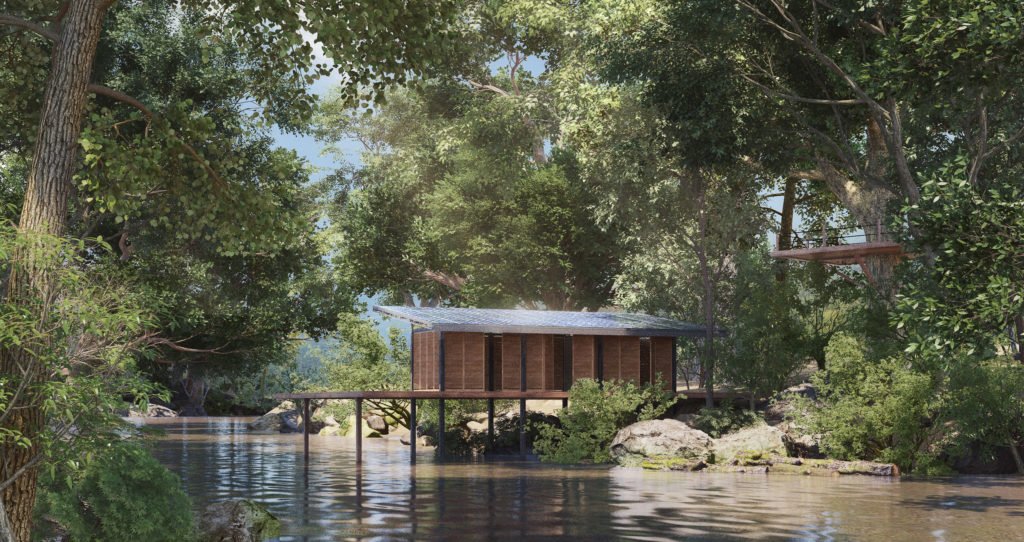
India’s rich architectural heritage provides a deep well of inspiration. The challenge lies in reinterpreting traditional wisdom for contemporary needs. Leading hospitality architects in India have mastered this art by seamlessly merging the past with the present.
For instance, traditional courtyard-style layouts, which promote ventilation and social interaction, are finding their way into modern resort designs. The use of jaalis (latticed screens), verandahs, and terracotta tiles not only enhances aesthetic charm but also offers passive cooling—an essential consideration in India’s tropical climate.
Moreover, the integration of modern amenities doesn’t come at the cost of authenticity. Instead, technology is discreetly incorporated—smart lighting, automated temperature control, and energy management systems operate in the background while maintaining the architectural soul of the structure.
Nature as the Ultimate Design Partner
Some of the most admired hospitality projects in India draw their essence from nature. Whether it’s a hillside retreat, a forest lodge, or a beach resort, architects are designing with the landscape rather than against it.
Hospitality architects in India increasingly adopt biophilic design principles—creating spaces that foster a deep connection with the natural world. Expansive windows that frame scenic views, open terraces that invite breeze, and water features that mirror tranquility—all work together to dissolve the boundary between indoors and outdoors.
In many eco-resorts, the site itself dictates the design. Rather than leveling the land or cutting down trees, structures are built around natural features. This site-sensitive approach enhances the environmental value of the project while delivering a unique and immersive experience to visitors.
The Role of Technology and Innovation
Technology has become an essential ally in modern architecture. The hospitality architects in India use advanced software for design simulation, virtual walkthroughs, and sustainability assessments. These tools help visualize spaces in real time and predict environmental performance before construction begins.
Smart technology is also being integrated into the guest experience. Contactless check-ins, energy-efficient lighting controlled by occupancy sensors, and personalized room settings contribute to both comfort and efficiency. Yet, the best architects ensure that technology enhances, rather than replaces, human warmth—the essence of hospitality.
Innovation also extends to material exploration. The eco friendly architects in India are experimenting with recycled composites, bamboo laminates, rammed earth, and other renewable resources to create structures that are durable, cost-effective, and environmentally sound.
The Human Connection: Designing with Empathy
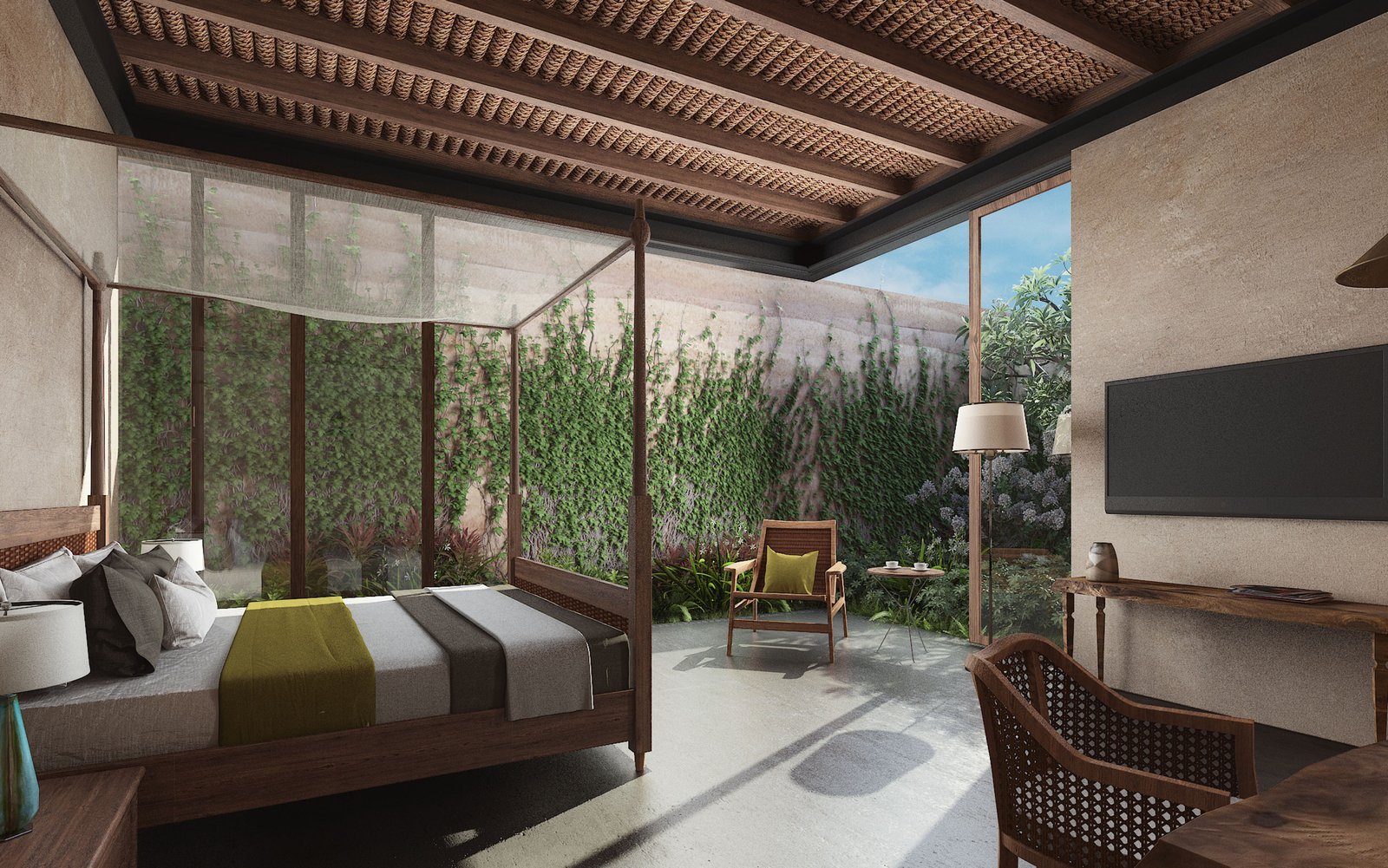
Architecture has the power to influence emotion—and hospitality architecture, in particular, thrives on empathy. A truly great hotel or resort doesn’t just offer shelter; it offers belonging. The leading hospitality architects in India understand that guests crave connection—whether with nature, culture, or the local community.
This empathetic approach is reflected in thoughtful design gestures—intimate seating areas, locally inspired artwork, and spatial layouts that encourage interaction. The architecture acts as a silent host, anticipating guests’ needs and creating a sense of comfort that words cannot convey.
The Future of Hospitality Architecture in India
As India’s tourism and hospitality industries expand, the demand for innovative and sustainable designs continues to rise. The next generation of architects will need to balance environmental responsibility with cultural relevance and technological sophistication.
The eco friendly architects in India are already paving the way for this future—where every project is an opportunity to build responsibly, live consciously, and design beautifully. The hospitality spaces of tomorrow will be fluid, sustainable, and deeply human-centered—reflecting the evolving values of modern society.
Conclusion
In this era of conscious design and meaningful travel, one name stands out for its visionary approach—Architecture BRIO. Recognized among the most innovative hospitality architects in India and celebrated as one of the leading eco friendly architects in India, Architecture BRIO has redefined the art of creating spaces that connect people, place, and purpose. Their projects are not just architectural masterpieces—they are soulful experiences that honor nature, celebrate culture, and elevate human living. Through their sustainable and thoughtful design philosophy, Architecture BRIO continues to shape the future of Indian architecture, one inspired space at a time.