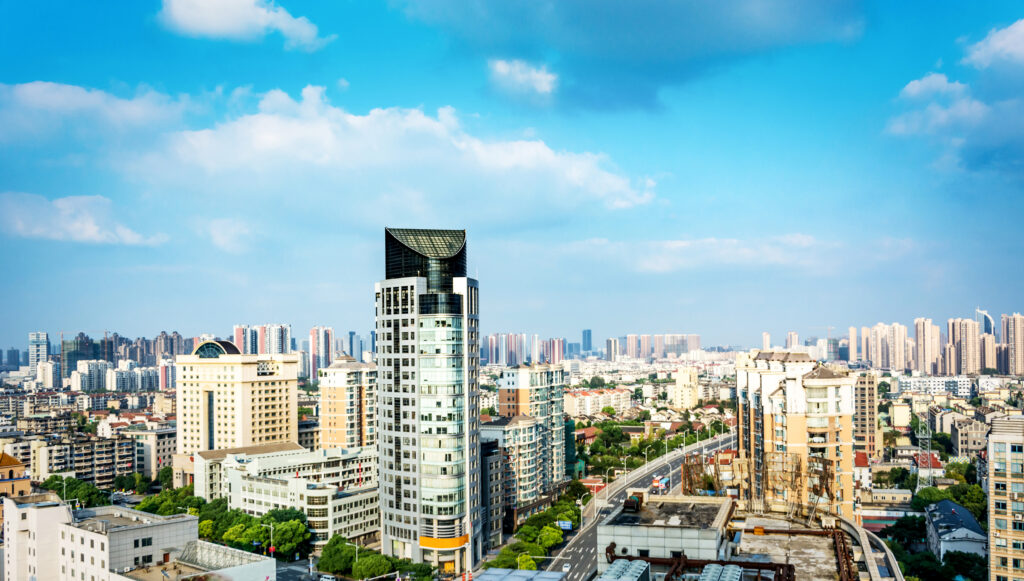
city
The Pune real estate market has emerged as one of India’s most dynamic property landscapes, blending robust demand, expanding infrastructure, and evolving buyer expectations. As we move into 2026, Pune Realty continues to capture attention from homebuyers, investors, and developers alike. With its thriving IT ecosystem, improving connectivity, and diversified housing options, Pune’s property market presents both fresh opportunities and challenges for prospective homeowners. Here’s an in-depth look at what homebuyers should expect in 2026.
1. Sustainable Growth Amid Strong Demand
Despite occasional fluctuations in sales volume, Pune’s housing market has shown remarkable resilience. According to Knight Frank India, the city logged a four-year high in property registrations in 2025, with registrations surging 23% year-on-year and contributing significant stamp duty revenue. This strong activity reflects sustained interest in owning homes in Pune’s core and emerging neighborhoods.
The market’s strength is rooted in long-term fundamentals — a growing working population, expanding job opportunities, and an influx of residents from across India. While sales have sometimes softened due to pricing pressures, the overall pace of transactions remains solid, especially in mid-sized and family-oriented homes.
2. Infrastructure: The Key Driver of Property Values
Infrastructure development will be one of the most powerful catalysts for Pune Realty in 2026. Several major projects are shaping the city’s real estate landscape:
-
Pune Metro Expansion: The metro project is expected to extend to key corridors, easing commutes and making previously less accessible areas more attractive for residential demand. Metro proximity has already boosted property values along existing corridors significantly.
-
Ring Road and Highway Projects: Enhanced road networks will unlock the potential of peripheral zones, reducing travel times and encouraging new township developments.
-
Airport Growth: With Pune Airport projected to handle 1 million additional flyers in 2026, improved air connectivity may increase appeal for residential areas near major transit hubs.
These developments not only enhance livability but also elevate property values in corridors benefiting from better accessibility. Location remains crucial — properties within easy reach of metro stations and road networks are poised for appreciation.
3. Evolving Buyer Preferences
In 2026, homebuyers in Pune are becoming more discerning. Several demand trends have emerged:
-
Shift Toward Larger and Smart Homes: Families and professionals are favoring larger configurations like 2BHK and 3BHK units that support hybrid work models with dedicated home office spaces. Smart home features and energy-efficient elements are increasingly valued.
-
Premium and Lifestyle-Driven Choices: While affordability is important, there’s growing interest in mid-premium and premium homes, driven by rising incomes and lifestyle aspirations. Central and well-connected areas are seeing demand for sophisticated living experiences with lifestyle amenities.
-
Green and Sustainable Communities: Environmental consciousness is translating into demand for green buildings and communities with sustainable features.
4. Affordability Pressures and Market Segmentation
Affordability continues to be a central theme in the Pune Realty narrative for 2026. As property prices have risen over recent years, some segments have felt the pinch:
-
Reports note that rising “sticker shock” due to cumulative price increases and larger home sizes has challenged affordability for some homebuyers.
-
Despite price growth, the mid-segment housing category — generally properties under ₹1 crore — continues to drive the bulk of transactions, appealing to first-time homebuyers and young families.
The key for developers and policymakers will be balancing the supply mix to ensure an adequate range of affordability options while meeting the demand for premium and lifestyle-oriented homes.
5. Expansion of Live-Work Play Zones
One of the most notable shifts in the Pune real estate profile is the rise of integrated townships and mixed-use developments. These projects combine residential living with commercial, retail, and recreational spaces, catering to modern lifestyle demands and improving quality of life. Several new townships are drawing interest for their convenience and holistic living environments.
Such developments appeal to buyers who prioritize a balance between work and personal life, especially as hybrid and flexible work models become mainstream.
6. Investment Trends and Broader Participation
Beyond traditional homeownership, new investment avenues are opening up that impact Pune Realty:
-
Fractional Ownership and REITs: These structures are democratizing real estate investment, allowing retail investors to participate in the market with smaller capital commitments and enhanced liquidity — a trend expected to gain traction in 2026.
This diversification makes real estate investment more accessible and brings new players into Pune’s property market.
7. Challenges and Risks to Watch
Even as trends point upward, homebuyers should be mindful of certain risks:
-
Infrastructure delays — Some projects are still in progress, and delays could temporarily impact price growth in certain localities.
-
Regulatory and compliance issues — Slow recovery of dues through regulatory mechanisms like MahaRERA highlights ongoing challenges in enforcement and transparency.
-
Resource constraints — Urban challenges like water infrastructure deficits in some neighborhoods may affect livability and perceived value.
-
iligence, choose reputable developers, and align their expectations with long-term value prospects.
Conclusion: Strategic Decisions for Homebuyers in 2026
The Pune real estate market in 2026 presents a dynamic blend of growth, opportunity, and strategic decision-making. For homebuyers, the outlook suggests:
-
Continued price appreciation in well-connected and infrastructure-ready zones.
-
Strong demand for mid-segment and premium homes.
-
Innovative investment pathways expanding participation.
-
A need for careful evaluation of project timelines, amenities, and future infrastructure potential.