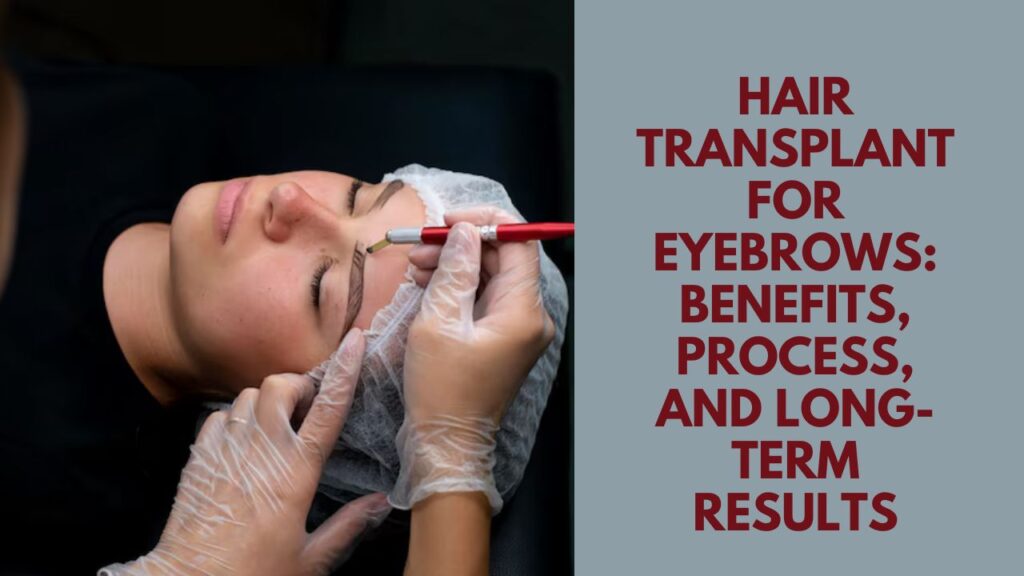
Eyebrows play a surprisingly powerful role in shaping facial expressions and overall balance. When they are thin, uneven, or patchy, many people feel their faces look tired or incomplete, even if everything else looks right. Makeup, pencils, and semi-permanent options may offer short-term fixes, but they often fade, smudge, or require constant upkeep. As awareness of advanced cosmetic solutions grows, more individuals are seeking results that feel natural and last for years rather than weeks. This shift has brought attention to procedures that focus on restoring real hair rather than creating an illusion. Understanding how the hair transplant for eyebrows works, what it involves, and what realistic outcomes are can help people make confident, informed decisions about their appearance and long-term satisfaction.
What Is a Hair Transplant for Eyebrows?
A hair transplant for eyebrows is a specialized procedure that restores eyebrow density using a person’s own hair follicles. Instead of artificial pigments or temporary coatings, real hair is transplanted into the brow area to mimic natural growth patterns. Donor hair usually comes from behind the ear or the back of the scalp, where hair texture is finer and more similar to eyebrow hair.
Each follicle is placed carefully, taking into account angle, direction, and spacing. This precision is essential because eyebrow hair grows differently from scalp hair. When done correctly, the transplanted hair blends seamlessly with the existing brows, creating a fuller, more balanced look that still feels natural to the individual.
Why People Choose This Procedure
Many people turn to a hair transplant for eyebrows after years of frustration with temporary solutions. Over-plucking, genetics, medical conditions, hormonal changes, burns, or scarring can all lead to permanent brow thinning. For these individuals, topical treatments and makeup may no longer provide the confidence they are seeking.
One of the biggest advantages is permanence. Once the transplanted follicles take root, they grow like natural hair. This means no daily drawing, no frequent touch-ups, and no ongoing treatments. Over time, the brows become part of the person’s natural appearance rather than something that needs constant attention.
The Step-by-Step Process Explained
Consultation and Design
Every eyebrow hair transplant begins with a detailed consultation. During this stage, the brow shape is discussed and customized based on facial structure, symmetry, and personal preference. This planning phase is crucial, as eyebrow design has a major impact on facial harmony.
Donor Hair Extraction
Hair follicles are carefully dragged from the donor area, usually using a minimally invasive technique. The goal is to select fine, healthy follicles that will closely resemble natural eyebrow hair once transplanted.
Precise Implantation
Each follicle is implanted individually into the eyebrow area. The angle and direction are meticulously controlled to ensure the hair grows flat and follows the natural brow curve. This attention to detail largely determines how realistic the outcome will appear.
Recovery and Early Results
Recovery from a hair transplant for eyebrows is generally straightforward. Mild redness or swelling may appear in the first few days, but this typically subsides quickly. Small scabs form around the transplanted follicles and fall off naturally within a week or two.
It’s important to understand that the transplanted hairs often shed within the first month. This is a normal part of the process and not a sign of failure. New growth usually begins after a few months, gradually becoming thicker and more noticeable.
Long-Term Results and Maintenance
One of the most appealing aspects of a hair transplant for eyebrows is its longevity. Once the hair regrows fully, it continues to grow naturally. This means occasional trimming is needed, since scalp hair grows longer than typical eyebrow hair.
Over the long term, the brows tend to soften and blend even more naturally with surrounding hair. Many people report increased confidence and satisfaction as the brows become a permanent, effortless part of their appearance. When performed by experienced specialists, results can remain stable for many years.
Who Is an Ideal Candidate?
Not everyone is an immediate candidate for eyebrow hair transplant, which is why professional evaluation is essential. Ideal candidates generally have stable hair loss, sufficient donor hair, and realistic expectations about outcomes. People with scarring or uneven brows often see especially noticeable improvements.
Clinics with a strong reputation for hair restoration, such as Beverly Hills Hair Restoration in Palm Desert, are known for taking a careful, individualized approach to candidacy and design, which helps achieve natural-looking outcomes.
Understanding the Emotional Impact
Eyebrows may seem like a small detail, but their effect on self-image can be significant. Choosing a hair transplant for eyebrows is often about more than appearance—it’s about feeling comfortable, expressive, and confident in everyday interactions. When brows no longer need to be hidden or corrected, many people find that their overall routine becomes simpler and more relaxed.
Conclusion: A Thoughtful, Long-Term Solution
A hair transplant for eyebrows offers a lasting alternative to temporary cosmetic fixes, focusing on real hair growth and natural design. By understanding the process, recovery, and long-term care involved, individuals can approach the decision with clarity rather than uncertainty. The key lies in realistic expectations and choosing experienced professionals who prioritize precision and personalization. Over time, the results tend to look increasingly natural, blending seamlessly with facial features. For those seeking a solution that balances aesthetics and practicality, this approach represents a meaningful step toward effortless, long-term confidence.