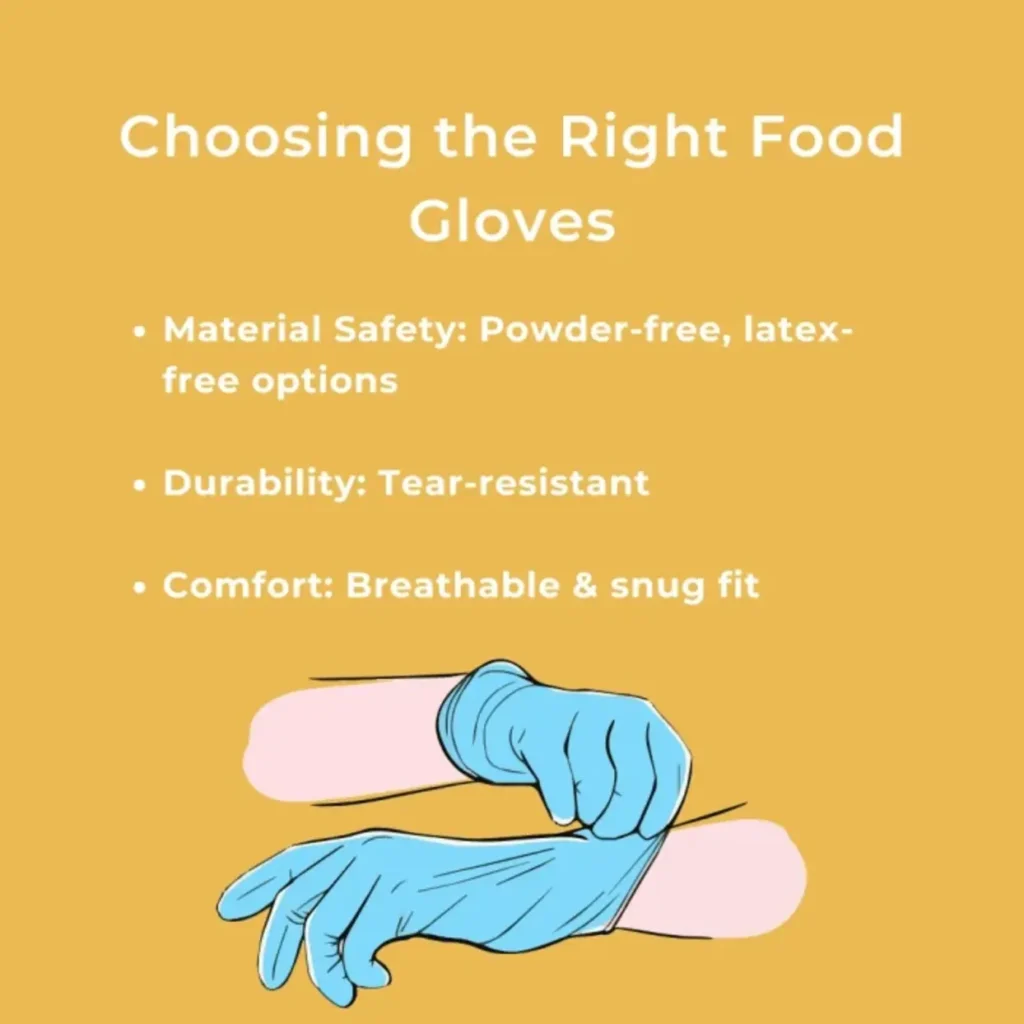
Food safety starts at the hands of the people who handle food. In modern processing and preparation environments, gloves are no longer optional. They are a critical control point for hygiene, allergen management, and regulatory compliance. As awareness of food allergies grows worldwide, allergen-free gloves in food production have become a priority for manufacturers, processors, and food service operators.
This article explores why allergen-free gloves matter, how they support compliance, and what to look for when selecting gloves for food production environments.
Why Gloves Matter in Food Production
Gloves in food production serve two essential roles. First, they protect food from contamination caused by direct hand contact. Second, they protect workers from exposure to food residues, cleaning chemicals, and moisture during long shifts.
However, not all gloves are equal. Some glove materials contain proteins or additives that can trigger allergic reactions. When these allergens transfer from gloves to food, they create serious risks for consumers and legal risks for producers.
Allergen-free gloves help close this gap by reducing the chance of cross-contact while maintaining high hygiene standards.
Understanding Allergens and Glove Materials
One of the most common concerns in glove selection is latex. Natural rubber latex contains proteins that can cause allergic reactions ranging from mild skin irritation to severe anaphylaxis. For this reason, many food producers have moved away from latex gloves altogether.
Allergen-free glove options commonly used in food production include:
Nitrile gloves: Durable, puncture-resistant, and free from latex proteins. They are widely used in food processing and high-risk handling areas.
Vinyl gloves: Cost-effective and latex-free, suitable for short-duration, low-risk tasks.
Polyethylene gloves: Lightweight and loose-fitting, often used in food service and preparation where frequent glove changes are required.
Selecting the right material depends on the task, duration of use, and level of risk involved. The key is ensuring the gloves are certified allergen-free and suitable for food contact.
Safety Benefits of Allergen-Free Gloves
Using allergen-free gloves in food production directly supports consumer safety. Even trace amounts of allergens can cause serious reactions in sensitive individuals. Gloves that shed allergenic proteins or chemical residues increase the risk of contamination during handling, packaging, or inspection.
High-quality allergen-free gloves are designed to minimize this risk. They are manufactured with controlled formulations and tested to ensure they do not introduce unwanted substances into the food chain.
For workers, allergen-free gloves also reduce the risk of occupational skin conditions such as contact dermatitis. Comfortable gloves encourage consistent use, which improves overall hygiene compliance on the production floor.
Compliance With Global Food Safety Standards
Food producers operate under strict regulatory frameworks that vary by region but share common goals. Regulations and standards such as HACCP, ISO 22000, FDA food contact requirements, and EU food safety regulations all emphasize contamination prevention and allergen control.
Gloves in food production are often audited as part of these systems. Inspectors may review:
- Glove material specifications
- Food contact certifications
- Allergen declarations
Change frequency and handling procedures
Allergen-free gloves simplify compliance by aligning with allergen management plans. Clear documentation from glove suppliers, including food-grade certifications and test reports, helps food businesses demonstrate due diligence during audits.
Quality and Performance Considerations
While safety and compliance are critical, glove performance should not be overlooked. Poor-quality gloves can tear easily, reduce dexterity, or cause hand fatigue. These issues lead to more frequent glove changes, higher costs, and lower productivity.
High-quality allergen-free gloves offer:
- Consistent thickness and strength
- Good tactile sensitivity for precise handling
- Comfortable fit for extended wear
- Resistance to oils, fats, and moisture
In food production, gloves must support efficiency without compromising hygiene. Investing in reliable products reduces waste and helps maintain steady production flow.
Practical Tips for Choosing the Right Gloves
When selecting allergen-free gloves for food production, consider the following practical steps:
Match gloves to tasks
Use stronger materials like nitrile for processing and packaging. Reserve lighter gloves for short, repetitive tasks.
Verify food contact approval
Ensure gloves are certified for food use in your target markets.
Standardize across facilities
Using the same glove types across sites simplifies training and compliance.
Train staff on proper use
Even the best gloves fail if not changed regularly or worn correctly.
Work with reliable suppliers
Choose suppliers who provide consistent quality, traceability, and clear documentation.
The Future of Gloves in Food Production
As global food supply chains become more complex, expectations around allergen control will continue to rise. Allergen-free gloves are no longer a premium option. They are becoming the standard in responsible food production.
Advances in materials and manufacturing are also improving glove comfort and sustainability, helping businesses meet both safety and environmental goals.
Conclusion
Allergen-free gloves in food production play a vital role in protecting consumers, supporting workers, and meeting regulatory demands. By choosing the right glove materials, verifying certifications, and focusing on quality, food producers can reduce risk while maintaining efficiency and trust.
mitrasaruta: In a world where food safety is under constant scrutiny, gloves are a small detail with a big impact.