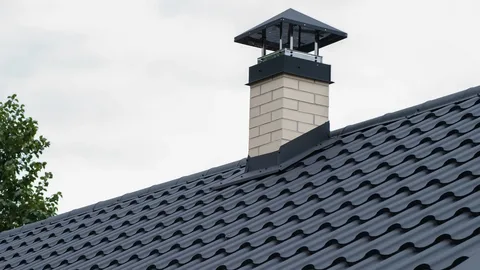
Chimney cracks and leaks are common problems in New Jersey homes, yet they are often misunderstood. Many homeowners assume that visible damage appears suddenly, but chimney deterioration usually develops slowly. Exposure to weather, moisture, and temperature changes gradually weakens chimney materials until cracks and leaks become noticeable.
Understanding the underlying causes helps homeowners recognize why these problems occur and why early attention matters.
Seasonal Temperature Shifts and Material Stress
New Jersey experiences sharp temperature changes throughout the year. During winter, freezing temperatures cause moisture trapped in masonry to expand. When temperatures rise, the materials contract again. This repeated expansion and contraction places constant stress on bricks and mortar.
Over time, this cycle leads to small cracks that widen gradually. Even high-quality masonry is vulnerable to this natural movement when exposed to years of seasonal changes.
Moisture Absorption in Masonry
Brick and mortar are porous materials. They naturally absorb water from rain, snow, and humidity. When moisture enters the chimney and does not dry properly, it weakens the internal structure.
As water moves through masonry, it carries salts to the surface, creating internal pressure. This process contributes to cracking and allows leaks to form, especially in older chimneys without proper moisture protection.
Deteriorating Mortar Joints
Mortar joints often fail before bricks do. As mortar ages, it becomes brittle and begins to crumble. Gaps form between bricks, allowing more water to penetrate the chimney.
Once mortar joints deteriorate, the chimney loses structural strength. Water entering through these gaps accelerates damage and increases the likelihood of leaks inside the home.
Cracked or Failing Chimney Crowns
The chimney crown is designed to shield the masonry from direct water exposure. When crowns crack or chip, water flows directly into the chimney structure instead of being deflected away.
Crown damage is a major contributor to chimney leaks in NJ homes. Because cracks are often small and difficult to see from the ground, this issue frequently goes unnoticed until interior damage appears.
Flashing Problems at the Roofline
Flashing seals the intersection between the chimney and the roof. When flashing corrodes, shifts, or pulls away, water easily enters the home. This type of leak often affects ceilings, attic spaces, and wall cavities.
Improper installation or aging materials are common causes of flashing failure. Roof movement and settling over time can also break the seal between flashing and masonry.
Damage to the Flue Liner
The flue liner protects the chimney interior from heat and corrosive byproducts. When liners crack or deteriorate, moisture and gases escape into surrounding masonry.
This internal moisture accelerates cracking and weakens the chimney from the inside. Liner damage often develops silently and contributes to both leaks and safety concerns.
Foundation Settling and Structural Movement
Homes naturally settle over time. When a chimney’s foundation shifts differently from the rest of the structure, stress forms in the masonry. This uneven movement causes cracks that widen with seasonal changes.
Structural movement is a serious contributor to chimney cracking and often requires professional evaluation to prevent further damage.
Missing or Damaged Chimney Caps
Chimney caps prevent rain, snow, and debris from entering the flue. When caps are missing or damaged, water flows directly into the chimney interior.
This constant exposure increases moisture retention and accelerates cracking in both masonry and liners. It also creates conditions that lead to leaks inside the home.
How Small Issues Turn Into Major Leaks
Many chimney cracks begin as hairline fractures. Without intervention, moisture enters these openings and expands during freezing weather. Over time, cracks widen and connect, creating pathways for water to travel deeper into the structure.
Midway through evaluations, homeowners often seek Chimney repair services in Hawthorne, NJ to identify the true source of leaks and prevent further deterioration before extensive damage occurs.
Interior Signs Linked to Chimney Leaks
Leaks caused by chimney damage often appear far from the chimney itself. Water may travel along framing or masonry before surfacing as stains, peeling paint, or warped drywall.
These symptoms are frequently mistaken for roof or plumbing issues, delaying proper repairs and allowing damage to spread.
Long Term Effects on Home Safety
Chimney cracks and leaks affect more than appearance. Moisture weakens structural components and reduces chimney performance. Cracked liners and damaged masonry increase fire risk and compromise indoor air quality.
Left unaddressed, these problems place stress on multiple systems within the home.
Preventing Cracks and Leaks Before They Spread
Regular inspections help detect early signs of chimney deterioration. Sealing minor cracks, repairing mortar, and addressing moisture entry points can significantly extend the life of a chimney.
Preventive care is always less disruptive than repairing widespread damage caused by long-term neglect.
Protecting NJ Homes From Ongoing Damage
Chimney cracks and leaks are not isolated issues. They often signal deeper vulnerabilities within the home’s structure. Addressing these problems early protects roofing, walls, foundations, and interior spaces.
Staying proactive allows homeowners to preserve comfort, safety, and property value while avoiding costly repairs down the road.