Sulfur Concrete is gaining attention across construction, industrial, and infrastructure sectors as a durable alternative to traditional cement-based concrete. With faster curing times, strong chemical resistance, and a lower environmental footprint in certain use cases, it offers practical solutions for projects where conventional concrete struggles.
This article explains what Sulfur Concrete is, how it works, where it’s used, and why many industries are turning to sulfur-based construction products.
What Is Sulfur Concrete?
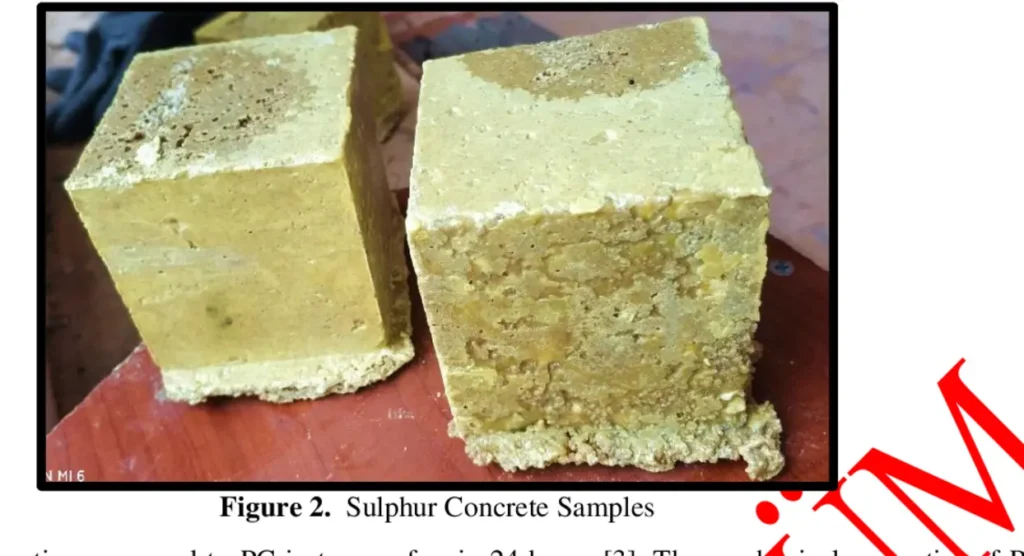
Sulfur Concrete is a construction material in which molten sulfur acts as the binding agent instead of Portland cement. Aggregates such as sand, gravel, or crushed stone are mixed with heated sulfur to form a dense, strong composite. Once cooled, the sulfur hardens and binds the aggregates together.
Unlike traditional concrete, Sulfur Concrete does not rely on hydration or water curing. The material gains strength simply by cooling, often within hours. This difference gives it unique performance advantages, especially in aggressive environments.
Modified sulfur formulations are commonly used to improve stability and prevent long-term brittleness. These formulations are often supplied as ready-to-use sulfur-based binders, making production more consistent and reliable for contractors.
How Sulfur Concrete Is Made
The production process is straightforward but requires temperature control:
- Sulfur is heated until it melts, typically between 120°C and 140°C
- Aggregates are dried and preheated
- Molten sulfur is mixed with aggregates to coat each particle
- The mixture is poured or molded into place
- The material hardens as it cools
Because no water is required, Sulfur Concrete can be used in cold climates, arid regions, or locations where water availability is limited.
Key Benefits of Sulfur Concrete
Rapid Strength Development
One of the most significant advantages of Sulfur Concrete is speed. It reaches near-full strength within hours, not days or weeks. This makes it ideal for emergency repairs, fast-track industrial projects, and precast manufacturing where downtime is costly.
High Chemical Resistance
Sulfur Concrete performs exceptionally well in acidic and corrosive environments. It resists attack from sulfuric acid, salts, oils, and many industrial chemicals that can quickly degrade conventional concrete.
This makes sulfur-based products particularly valuable in wastewater facilities, chemical plants, and industrial flooring systems.
Low Water Absorption
The dense structure of Sulfur Concrete results in very low permeability. Reduced water absorption improves durability and minimizes freeze-thaw damage, especially in harsh climates.
Recyclability and Sustainability
Sulfur Concrete is thermoplastic, meaning it can be reheated, reshaped, and reused. Damaged components can be melted down and recycled rather than demolished and discarded.
Additionally, many sulfur binders are produced using byproduct sulfur from oil and gas refining, helping repurpose excess industrial sulfur that would otherwise require storage or disposal.
Early Load-Bearing Capacity
Because it cures quickly, structures made with Sulfur Concrete can be put into service almost immediately. Roads, containment units, and industrial slabs can often handle loads the same day they are installed.
Common Uses of Sulfur Concrete
Industrial Flooring and Containment
Factories, refineries, and processing plants use Sulfur Concrete for floors, sumps, and secondary containment structures. Its resistance to chemicals and abrasion helps extend service life while reducing maintenance.
Wastewater and Sewer Systems
Sewer pipes, manholes, channels, and treatment tanks benefit from sulfur-based construction due to resistance to biogenic sulfuric acid, a common cause of concrete corrosion in wastewater environments.
Precast Construction Products
Sulfur Concrete is well-suited for precast components such as blocks, panels, curbs, and trench elements. Controlled factory conditions allow consistent quality and efficient production.
Marine and Coastal Structures
In marine environments where saltwater and chemical exposure are constant, Sulfur Concrete offers enhanced durability compared to traditional materials.
Repair and Rehabilitation Projects
Because it bonds well to itself and sets quickly, Sulfur Concrete is often used for patching damaged concrete surfaces, especially where fast reopening is required.
Limitations to Consider
- While Sulfur Concrete offers many benefits, it is not suitable for every application.
- It softens at elevated temperatures, limiting use in high-heat environments
- Production requires heating equipment and trained handling
- Structural design standards are less widely established than for Portland cement concrete
For these reasons, sulfur-based solutions are often used selectively, where their strengths align closely with project requirements.
Choosing the Right Sulfur Concrete Products
Modern Sulfur Concrete systems rely on engineered sulfur binders that improve toughness, reduce cracking, and enhance long-term stability. When selecting products, project teams should consider:
- Chemical exposure conditions
- Required strength and durability
- Installation environment and temperature
- Availability of skilled application support
Working with suppliers that offer tested formulations and technical guidance helps ensure consistent performance and long service life.
The Future of Sulfur Concrete
As industries seek materials that perform better in aggressive environments and reduce environmental impact, Sulfur Concrete is becoming a practical alternative rather than a niche solution. Advances in sulfur modification, precast manufacturing, and recycling methods continue to expand its potential applications.
For projects where speed, durability, and chemical resistance matter most, Sulfur Concrete offers a proven, efficient, and increasingly sustainable option.
More info about article visit web: https://belirangkalisari.id