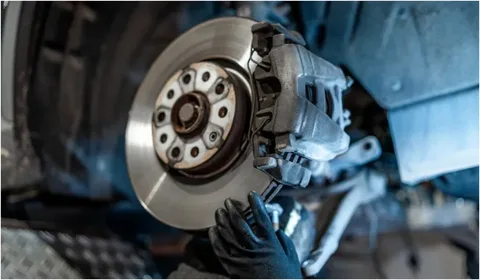
In 2026, the complexity of automotive braking systems has reached a peak where mechanical components are almost entirely dependent on the integrity of the hydraulic medium. Brake fluid is the invisible link that translates your physical intention into vehicle deceleration. However, because of its chemical composition, it is subject to a silent form of degradation that can fundamentally alter your ability to control the car during a crisis.
Understanding how fluid breaks down is vital for any driver navigating the busy streets of North Carolina. To maintain the precision required for modern safety, seeking an Auto Brakes Repair Service in Charlotte, NC is the most effective way to ensure your hydraulic system remains non-compressible and responsive.
The Hygroscopic Nature of Brake Fluid
The primary challenge with standard brake fluid is that it is hygroscopic, meaning it acts like a sponge for moisture. Even in a sealed system, water vapor eventually permeates through microscopic pores in the rubber hoses and seals. In the humid climate of Charlotte, this process can happen more rapidly than in drier regions.
As moisture content increases, the overall quality of the fluid begins to plummet. By the time brake fluid contains just three percent water, its boiling point can drop by as much as 100 degrees. This creates a dangerous vulnerability during heavy braking, as the water can turn into steam, which is highly compressible and ruins the hydraulic link.
The Phenomenon of Vapor Lock and Pedal Fade
When the moisture within your brake lines reaches its boiling point, it creates pockets of gas known as vapor lock. Unlike liquid, gas can be compressed. When you press the brake pedal, instead of moving the brake pads, your foot simply squishes the gas bubbles in the lines.
This results in ‘pedal fade,’ where the brakes feel spongy or even sink all the way to the floor without slowing the vehicle. This often occurs during ‘high-demand’ situations, such as navigating a long descent or performing a series of quick stops in highway traffic. It is a terrifying experience that robs the driver of the most basic element of control.
Impact on Anti-Lock Braking Systems (ABS)
Modern vehicles rely on the ABS to prevent wheel lockup and maintain steering control during emergency stops. This system functions by rapidly opening and closing small valves to pulse the brake pressure hundreds of times per second. This precision requires fluid with a very specific viscosity and zero compressibility.
Degraded or contaminated fluid can cause these sensitive ABS valves to stick or respond sluggishly. If the fluid is thick with debris or moisture, the anti-lock system may not engage correctly, leading to a skid on wet or slick pavement. Maintaining clean fluid is essentially a requirement for your vehicle’s electronic safety ‘brain’ to function at its best.
Internal Corrosion and Component Longevity
Moisture in the brake lines does more than just affect stopping distance; it attacks the metal components of the system from the inside out. Water-saturated fluid promotes rust and corrosion within the master cylinder, steel brake lines, and expensive ABS modules.
This internal rust can create tiny pits in the metal surfaces, leading to leaks that eventually cause a total loss of hydraulic pressure. Furthermore, the corrosion inhibitors in the fluid break down over time, leaving your system defenseless. Regular fluid flushes are significantly cheaper than replacing a corroded ABS pump or a rusted-through brake line.
Discoloration as a Warning Metric
While professional testing is the only way to be certain of moisture levels, the color of your brake fluid can provide a preliminary warning. Fresh fluid is typically clear or a very light amber. As it degrades and absorbs contaminants like rubber fragments and metal particles, it turns dark brown or even black.
If you open your reservoir and see murky, dark fluid, it is a clear sign that the chemical additives have been exhausted. This contaminated fluid is no longer providing the lubrication or heat resistance your system requires. It is an audible and visual signal that your stopping power is no longer at its peak.
The Recommended Maintenance Interval for 2026
In the current automotive landscape, the industry standard for a brake fluid flush is every two to three years, regardless of the miles driven. This is because fluid degradation is a time-based chemical process rather than a wear-based mechanical one. Even a car that sits in a garage will eventually suffer from moisture absorption.
For Charlotte drivers, an annual test of the brake fluid’s boiling point is a wise addition to a standard oil change. This proactive check ensures that you never reach the point of vapor lock. It keeps the ‘bloodstream’ of your braking system clean, ensuring that every ounce of pressure from your foot is delivered directly to the wheels.