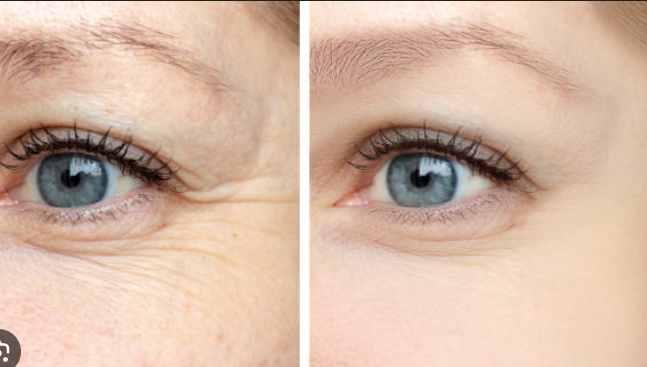
Forehead wrinkles are one of the earliest and most noticeable signs of facial aging. Whether they appear as fine horizontal lines or deeper creases that stay visible even when your face is relaxed, these wrinkles can make you look tired, stressed, or older than you feel. For this reason, Botox has become one of the most popular and effective treatments for smoothing forehead lines.
One of the most common questions people ask before getting Botox is:
“How many units of Botox are typically used for forehead wrinkles?”
The short answer is: it depends. The number of Botox units needed varies from person to person based on several factors, including muscle strength, wrinkle depth, age, gender, and desired results. In this article, we’ll break everything down clearly so you know exactly what to expect before your treatment.
What Does a “Unit” of Botox Mean?
Botox is measured in units, which represent the strength and dosage of the botulinum toxin used to temporarily relax muscles. Units are not the same as milliliters or syringes. Instead, they are a standardized way to measure how much Botox is injected into specific muscles.
Each unit works to block nerve signals to the muscle, reducing movement and preventing wrinkles from forming or deepening. The goal is not to freeze the face completely, but to soften muscle activity enough to create a smoother, more youthful appearance.
Why Do Forehead Wrinkles Form?
Before and after botox forehead wrinkles develop primarily due to repeated muscle movement over time. Every time you raise your eyebrows, frown, or express surprise, the frontalis muscle contracts. Over the years, this repeated motion causes lines to form.
There are two main types of forehead wrinkles:
Dynamic Wrinkles
These appear only when the face is moving—such as when you raise your eyebrows. Botox is extremely effective for treating dynamic wrinkles.
Static Wrinkles
These are visible even when your face is relaxed. They develop as collagen and elasticity decrease with age. Botox can improve these lines, but deeper static wrinkles may require additional treatments.
How Many Units of Botox Are Typically Used for Forehead Wrinkles?
On average, 10 to 30 units of Botox are used to treat forehead wrinkles.
However, this range varies depending on individual needs. Below is a general breakdown:
Mild Forehead Wrinkles
- 10–15 units
- Fine lines visible mainly during facial movement
- Often first-time Botox patients
- Younger individuals (late 20s to early 30s)
Moderate Forehead Wrinkles
- 15–25 units
- Wrinkles visible at rest and with movement
- Common in people aged 30–45
- Most commonly treated range
Deep or Severe Forehead Wrinkles
- 25–30+ units
- Deep, long-standing lines
- Strong forehead muscles
- Often combined with other treatments for best results
These numbers are guidelines, not fixed rules. A skilled injector will customize the dosage to your facial anatomy.
Factors That Affect How Many Botox Units You Need
Muscle Strength
People with stronger forehead muscles require more Botox units. This is especially common in men, who generally have thicker and stronger facial muscles.
Depth of Wrinkles
Deeper wrinkles require higher doses to relax the muscle sufficiently.
Age
As we age, skin loses collagen and elasticity, making wrinkles more pronounced and sometimes requiring more units.
Gender
Men typically need 5–10 more units than women for forehead Botox due to stronger muscle mass.
Desired Look
Some people want a very smooth forehead, while others prefer a softer, more natural look with some movement. This preference directly impacts dosage.
Can You Use Too Much Botox in the Forehead?
Yes. Overusing Botox can lead to an unnatural appearance.
Potential issues include:
- A frozen or stiff forehead
- Drooping eyebrows or eyelids
- Loss of natural facial expression
This is why choosing an experienced and qualified injector is critical. Proper placement and dosage are just as important as the number of units used.
Before and After Botox for Forehead Wrinkles
Timeline of Results
- 3–5 days: Initial softening of lines
- 7–14 days: Full results visible
- 3–4 months: Effects gradually wear off
Before Treatment
- Horizontal forehead lines
- Tired or aged appearance
- Wrinkles deepen with facial movement
After Treatment
- Smoother forehead
- More youthful, refreshed look
- Natural expressions when done correctly
Does Botox Completely Remove Forehead Wrinkles?
Botox significantly reduces wrinkles, but results depend on the type of lines:
- Dynamic wrinkles: Often nearly disappear
- Static wrinkles: Become softer and less visible
For deep static wrinkles, Botox may be combined with dermal fillers, microneedling, or laser treatments for optimal results.
How Often Do You Need Botox for Forehead Wrinkles?
Most people repeat Botox treatments every 3 to 4 months. With consistent use, some patients find they need fewer units over time because the muscles become trained to relax.
Is Forehead Botox Safe?
Yes. Botox is FDA-approved and considered very safe when administered by a licensed and experienced medical professional. Millions of Botox treatments are performed worldwide every year with a strong safety record.
Common side effects are mild and temporary, including slight redness, swelling, or bruising at the injection site.
What Should You Do Before and After Forehead Botox?
Before Treatment
- Avoid alcohol for 24 hours
- Avoid blood-thinning medications if approved by your doctor
- Arrive with a clean face
After Treatment
- Stay upright for at least 4 hours
- Avoid touching or massaging the forehead
- Skip intense exercise for 24 hours
Cost Considerations: Does More Units Mean Higher Cost?
Yes. Botox is typically priced per unit, so the total cost depends on how many units are used. However, choosing fewer units to save money can compromise results. A properly dosed treatment provides better, longer-lasting outcomes.
Frequently Asked Questions (FAQ)
How many units of Botox are needed for forehead wrinkles for the first time?
Most first-time patients need 10–20 units, depending on muscle strength and wrinkle severity.
Can Botox prevent forehead wrinkles from getting worse?
Yes. Regular Botox treatments can prevent wrinkles from deepening by limiting repetitive muscle movement.
Do forehead wrinkles come back worse after Botox wears off?
No. Wrinkles return gradually to their original state, not worse. In many cases, they appear softer over time.
How long does forehead Botox last?
Results typically last 3 to 4 months, though some people experience longer-lasting effects with repeated treatments.
Is Botox better than skincare products for forehead wrinkles?
Skincare can improve skin texture and hydration, but Botox targets muscle movement, which skincare products cannot do.
Can men get Botox for forehead wrinkles?
Absolutely. Men often need higher units, but Botox is equally effective and increasingly popular among male patients.
Can forehead Botox look natural?
Yes. When performed correctly, Botox results look subtle and natural, not frozen.
Final Thoughts
So, how many units of Botox are typically used for forehead wrinkles?
The answer usually falls between 10 and 30 units, depending on your unique facial structure, muscle strength, and aesthetic goals.
The most important factor is not the exact number of units, but working with an experienced provider who understands facial anatomy and tailors the treatment specifically to you. When done correctly, Botox can deliver smooth, natural-looking results that enhance your appearance without changing who you are.