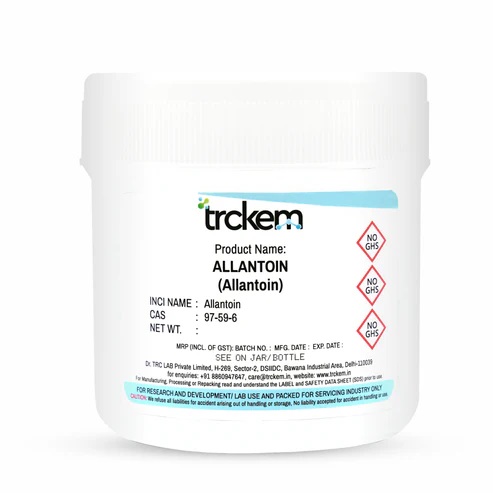
The modern skincare industry relies heavily on proven functional ingredients that deliver visible results while remaining gentle on the skin. One such ingredient is allantoin, widely recognized for its soothing, healing, and protective properties. The allantoin skincare ingredient is commonly found in creams, lotions, serums, and medicated formulations, making it a staple for both cosmetic brands and dermatological products. In this article, we explore the benefits, uses, and safety profile of allantoin, along with its role in advanced skincare formulations.
What Is Allantoin?
Allantoin is a naturally occurring compound originally discovered in plants such as comfrey, sugar beet, and chamomile. Today, most commercial allantoin is synthesized to ensure consistent purity and performance. In skincare, allantoin functions as a skin protectant and conditioning agent, helping improve texture, hydration, and overall skin comfort.
Because of its non-irritating nature, the allantoin skincare ingredient is suitable for sensitive, dry, and compromised skin types. It is often included in products designed for post-treatment care, acne management, baby skincare, and formulations targeting redness and irritation.
Key Benefits of Allantoin in Skincare
One of the most important benefits of allantoin is its ability to promote skin renewal. It gently encourages the shedding of dead skin cells, resulting in smoother and softer skin without the harsh effects associated with strong exfoliants.
Another major advantage is its soothing capability. Allantoin helps calm inflamed or irritated skin, making it ideal for formulations aimed at reducing redness, itching, and discomfort. This property is especially valuable in after-sun products, shaving creams, and treatments for sensitive or reactive skin.
Hydration support is another benefit. Allantoin enhances the water-binding capacity of the skin, helping maintain moisture balance and improve barrier function. As a result, skin appears healthier, plumper, and more resilient over time.
Finally, allantoin supports wound healing and skin repair. It assists in the regeneration of damaged tissue and accelerates recovery, making it a preferred ingredient in medicated creams and therapeutic skincare products.
Common Uses in Cosmetic Formulations
The allantoin skincare ingredient is extremely versatile and compatible with a wide range of formulations. It is frequently used in moisturizers, facial cleansers, toners, serums, masks, and sunscreens. Its mild nature allows it to be incorporated into daily-use products without causing irritation.
In professional skincare, allantoin is often included in post-peel, post-laser, and acne-treatment formulations. Its calming and healing effects help restore skin balance after intensive procedures.
Allantoin is also commonly paired with brightening and active ingredients. For example, in formulations that include Alpha Arbutin Powder For Skincare Formulations, allantoin plays a supportive role by soothing the skin and minimizing potential irritation. This combination allows manufacturers to deliver effective brightening results while maintaining excellent skin tolerance.
Safety and Regulatory Status
Safety is one of the strongest advantages of allantoin. Extensive research and regulatory evaluations confirm that it is safe for cosmetic use within recommended concentrations. Most formulations use allantoin at levels between 0.1% and 0.5%, which is sufficient to provide benefits without any risk of adverse effects.
The ingredient is approved for use in cosmetics and personal care products in major markets worldwide, including the United States, Europe, and Asia. It is non-comedogenic, non-sensitizing, and suitable for all age groups, including infants and individuals with delicate skin.
In rare cases, extremely sensitive individuals may experience mild reactions, but such occurrences are uncommon. Overall, the safety profile of the allantoin skincare ingredient makes it one of the most trusted components in modern cosmetic science.
Role in Advanced Skincare Formulations
In today’s competitive beauty market, formulators aim to create multifunctional products that deliver visible results with minimal irritation. Allantoin fits perfectly into this strategy. It enhances product performance, improves skin comfort, and supports the effectiveness of stronger actives.
When used alongside ingredients like Alpha Arbutin Powder For Skincare Formulations, allantoin helps stabilize formulations and improve user experience. Brightening agents can sometimes cause dryness or sensitivity, and allantoin counterbalances these effects by reinforcing hydration and soothing the skin.
This synergy makes allantoin an essential component in serums, whitening creams, anti-aging products, and dermatologist-recommended treatments.
Conclusion
The allantoin skincare ingredient remains a cornerstone of effective and gentle skincare formulations. Its ability to soothe, hydrate, repair, and protect the skin makes it valuable across a wide range of cosmetic and therapeutic products. Safe for daily use and compatible with advanced actives such as Alpha Arbutin Powder For Skincare Formulations, allantoin continues to play a vital role in modern skincare science.
For manufacturers and consumers alike, allantoin represents the perfect balance between performance and skin safety, ensuring healthy, comfortable, and radiant skin with consistent use.