Sea Freight Explained: How Ocean Logistics Power Global Trade
Table of Contents
- What Is Sea Freight?
- How Sea Freight Works
- Types of Sea Freight
- Benefits of Sea Freight for UK Businesses
- Popular Sea Freight Routes from the UK
- Cost Factors in Ocean Freight
- Choosing the Right Sea Freight Service
- FAQs About Sea Freight
Summary:
Sea freight is a cost-effective and reliable method for transporting goods globally, ideal for UK businesses handling large volumes. From containerization to customs clearance, ocean logistics ensure shipments arrive safely and efficiently. With options like FCL, LCL, Ro-Ro, and refrigerated containers, UK importers and exporters can optimize costs, scale operations, and reach international markets. Understanding routes, costs, and service providers helps businesses streamline global trade.
Introduction
In today’s interconnected world, the backbone of global trade is sea freight. From the bustling ports of London and Southampton to international shipping hubs, ocean logistics make it possible to move goods efficiently and cost-effectively across continents. Understanding sea freight is crucial for businesses, importers, exporters, and even consumers who rely on timely deliveries.
In this guide, we’ll explore what sea freight is, how it works, the benefits it offers, and why it remains a preferred choice for UK businesses and global trade partners.
What Is Sea Freight?
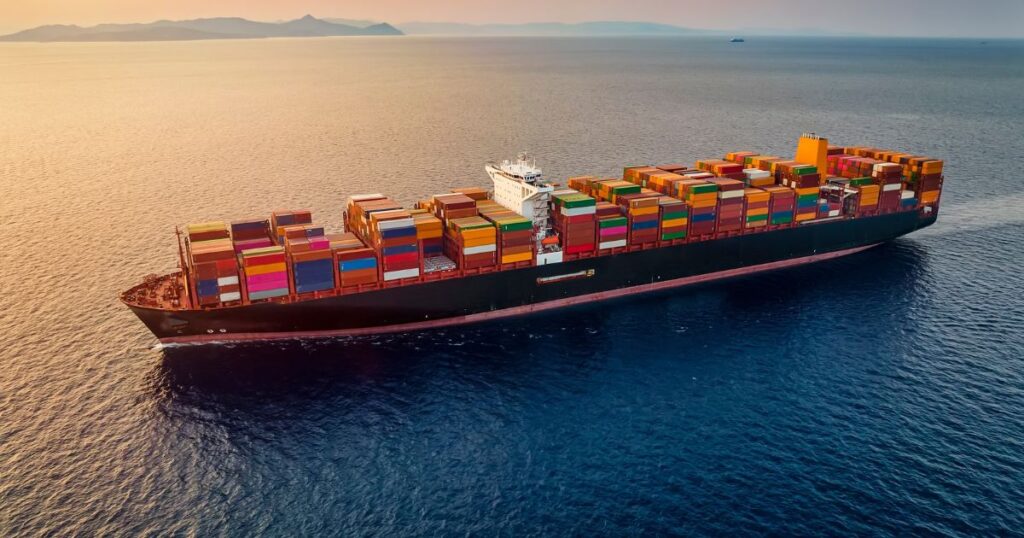
Sea freight, also called ocean freight or maritime shipping, is the transportation of goods using cargo ships across oceans and seas. Unlike air freight, which is faster but more expensive, sea freight is ideal for large volumes, heavy shipments, and international trade that is cost-sensitive.
In the UK, ports like Port of Felixstowe, Port of Southampton, and London Gateway handle millions of tonnes of cargo annually, making sea freight a critical component of the nation’s economy.
How Sea Freight Works
Sea freight involves several steps to ensure goods move safely from origin to destination:
- Booking and Documentation: Exporters book space on a cargo ship and prepare essential documents such as the Bill of Lading, commercial invoice, and packing list.
- Containerization: Goods are packed into standard containers (20ft or 40ft) for secure transport. Container shipping reduces damage and facilitates easier handling.
- Loading and Shipping: Containers are loaded onto ships using cranes. Ships then transport cargo across international waters.
- Customs Clearance: On arrival, shipments must pass customs clearance in the destination country. For the UK, this includes HMRC declarations.
- Delivery to Destination: After customs clearance, cargo is delivered to warehouses, retailers, or businesses.
Types of Sea Freight
There are multiple types of sea freight solutions depending on shipment size, urgency, and cost:
1. Full Container Load (FCL)
- Ideal for businesses shipping large volumes.
- Entire container is dedicated to one consignee.
- Offers better security and faster customs processing.
2. Less than Container Load (LCL)
- Suitable for smaller shipments.
- Cargo from multiple exporters is consolidated in one container.
- Cost-effective but may take slightly longer due to consolidation.
3. Roll-on/Roll-off (Ro-Ro)
- Used for vehicles and machinery.
- Items are driven directly onto the ship for transport.
4. Refrigerated Sea Freight (Reefer)
- For perishable goods like food, pharmaceuticals, and flowers.
- Temperature-controlled containers maintain quality during transit.
Benefits of Sea Freight for UK Businesses
Sea freight is often the preferred choice for businesses for several reasons:
- Cost-Effective: Cheaper than air freight for bulk shipments.
- High Capacity: Can transport large volumes in a single voyage.
- Eco-Friendly: Lower carbon footprint per tonne compared to air transport.
- Flexible Options: Multiple container sizes, Ro-Ro, and refrigerated solutions available.
- Global Reach: Enables UK businesses to trade with Asia, Europe, Africa, and the Americas.
By leveraging sea freight services, UK importers and exporters can scale their operations efficiently without compromising on reliability.
Popular Sea Freight Routes from the UK
Some of the busiest sea freight routes involving the UK include:
-
UK to China / Asia: Ports in Felixstowe, London Gateway → Shanghai, Shenzhen
-
UK to Europe: Southampton → Rotterdam, Hamburg – for faster shipments, you can also check our Europe Direct Delivery service.
-
UK to North America: London Gateway → New York, Boston
-
UK to Africa: Felixstowe → Lagos, Cape Town
Understanding these routes helps businesses optimise shipping schedules, reduce transit times, and choose the best service providers.
Cost Factors in Ocean Freight
Several factors determine sea freight costs:
- Container Size: 20ft vs 40ft containers have different rates.
- Cargo Weight and Volume: Heavy or bulky goods cost more to transport.
- Fuel Surcharge: Prices fluctuate based on global fuel markets.
- Port Fees & Customs Duties: Local charges vary per port.
- Insurance: Protects against loss or damage during transit.
UK businesses should compare ocean freight quotes and choose services that balance price, speed, and reliability.
Why Choose M25 Logistics
At M25 Logistics, we are committed to providing fast, reliable, and cost-effective cargo and freight solutions tailored to your business needs. Our experienced team ensures that every shipment—whether domestic or international—is handled with care, efficiency, and transparency. We simplify logistics by offering clear guidance on documentation, customs clearance, and optimal shipping methods. You can learn more about our working process to see how we manage shipments from start to finish. Ready to get started? Book Now to schedule your shipment and experience seamless logistics with M25 Logistics.
Choosing the Right Sea Freight Service
Selecting a reliable freight forwarder or shipping company is critical:
-
Check for experience in UK imports and exports.
-
Ensure the company offers door-to-door shipping or port-to-port services.
-
Verify tracking and customer support.
-
Ask for recommendations or reviews from UK businesses in your sector.
-
You can also check if they provide same-day or next-day delivery options for urgent shipments.
Leading UK freight providers also assist with customs clearance, documentation, and advice on the most efficient shipping methods.
Conclusion
Sea freight remains the cornerstone of global trade, powering UK businesses by enabling efficient and cost-effective international logistics. With the right shipping partner, businesses can reach global markets, scale operations, and ensure goods arrive safely and on time.
For UK companies seeking reliable ocean freight services, understanding the ins and outs of sea logistics from container options to customs requirements ensures smooth operations and long-term growth in international trade.
FAQs About Sea Freight
- How long does sea freight from the UK to China take?
Transit usually takes 25–35 days, depending on port congestion and shipping routes. - Can I track my sea freight shipment?
Yes, most UK freight providers offer container tracking and updates. - Is sea freight better than air freight?
For large volumes and cost savings, sea freight is ideal. Air freight is faster but more expensive. - Do I need insurance for my shipments?
Yes, insurance protects against cargo damage or loss during transit. - Can I ship perishable goods by sea freight?
Yes, refrigerated containers (reefers) maintain temperature-sensitive cargo.