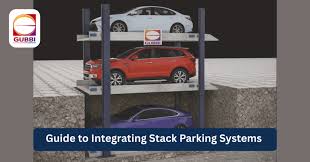
As urban spaces become increasingly crowded, finding efficient parking solutions is a challenge for city dwellers and businesses alike. A stack parking system offers a practical answer, allowing multiple vehicles to be parked vertically or in a compact area. These systems save space, reduce land costs, and provide organized parking management. Modern stack car parking systems are designed for safety, durability, and easy operation, making them suitable for both commercial and residential use.
What is a Stack Parking System?
A stack car parking system is a mechanical or automated solution that allows vehicles to be parked on multiple levels. Unlike traditional parking, which requires extensive horizontal space, stack parking uses vertical stacking to maximize capacity. These systems can be hydraulic, puzzle-style, or elevator-based, depending on space and budget. They are increasingly popular in urban complexes, offices, and shopping areas where space is limited and parking demand is high.
Benefits of Stack Car Parking Systems
Stack parking systems provide several advantages over conventional parking. Firstly, they drastically increase parking capacity within a smaller footprint. Secondly, they reduce time spent searching for a vacant spot, improving convenience. Thirdly, these systems enhance safety by preventing vehicle collisions. Additionally, stack parking is eco-friendly, as it reduces the land needed for parking lots and encourages organized traffic flow in high-density areas.
Types of Stack Parking Systems
There are multiple types of stack parking systems to suit different needs. Hydraulic systems lift cars vertically, while puzzle car parking systems move vehicles horizontally and vertically to optimize space. Elevator-style stack parking is ideal for premium projects requiring automation. Semi-automatic systems balance cost and convenience. Choosing the right system depends on site dimensions, vehicle volume, and budget. Each type offers unique advantages in efficiency and usability.
How Stack Parking Systems Work
A stack car parking system uses mechanical lifts or automated platforms to park vehicles in stacked arrangements. Hydraulic systems employ fluid pressure to raise platforms vertically. Puzzle systems use sliding and lifting mechanisms to shuffle cars efficiently. Drivers can access their vehicles through control panels or smartphone apps, depending on automation levels. Proper operation requires trained personnel or automated software, ensuring safety and minimal vehicle damage.
Cost Considerations for Stack Parking
The stack parking cost varies based on system type, capacity, and automation level. Hydraulic stack systems tend to be more affordable but require regular maintenance. Fully automated systems are costlier but offer enhanced convenience and security. Factors such as construction, installation, land value, and electrical setup also influence pricing. Investing in stack parking often leads to long-term savings by optimizing space and increasing parking efficiency.
Stack Parking for Residential Buildings
Residential complexes face parking shortages, especially in urban areas. Installing a stack parking system ensures residents have secure, convenient spaces. These systems reduce the need for large parking lots, freeing space for gardens or recreational areas. Automation adds comfort, allowing residents to park without manual effort. For high-rise apartments, stack parking maximizes vertical space, accommodating more vehicles than traditional surface parking.
Stack Parking for Commercial Spaces
Commercial spaces like shopping malls, offices, and hospitals benefit from stack car parking systems by providing more slots without expanding the premises. These systems reduce congestion and enhance customer experience, encouraging repeat visits. Automated parking minimizes staff requirements and reduces the risk of accidents. Modern solutions also include smart monitoring, ticketing, and security features, making stack parking an investment that improves overall operational efficiency.
Maintenance and Safety Measures
Maintaining a stack parking system ensures long-term reliability and safety. Regular checks of hydraulic pumps, lifting mechanisms, and electrical components are crucial. Installing emergency stop buttons, safety locks, and warning indicators prevents accidents. Trained operators should supervise manual or semi-automated systems. Additionally, scheduling periodic professional maintenance keeps platforms in optimal condition, extending lifespan while maintaining smooth operations and minimizing downtime.
Future Trends in Stack Parking
With urban growth and limited parking space, stack car parking systems are evolving rapidly. Smart parking with IoT integration, app-based vehicle retrieval, and energy-efficient lifts are becoming standard. Cities are adopting eco-friendly designs to reduce carbon footprint. Modular stack systems allow scalability and adaptability for changing vehicle volumes. These innovations promise higher efficiency, safety, and convenience, making stack parking a key solution for modern urban planning.
Choosing the Right Stack Parking Vendor
Selecting a reliable stack parking vendor is essential for quality installation and ongoing support. Look for manufacturers offering warranty, customized solutions, and robust after-sales services. A trustworthy vendor ensures adherence to safety standards and provides technical training for operators. Comparing different vendors based on project requirements, system types, and budget helps businesses and residential complexes choose an efficient and durable stack parking solution.
A stack parking system is more than just a space-saving solution; it is an investment in efficiency, safety, and convenience. From residential complexes to commercial buildings, these systems optimize parking capacity, reduce congestion, and improve urban mobility. With various types, advanced automation, and future-ready designs, stack car parking continues to gain popularity as a practical response to modern parking challenges.