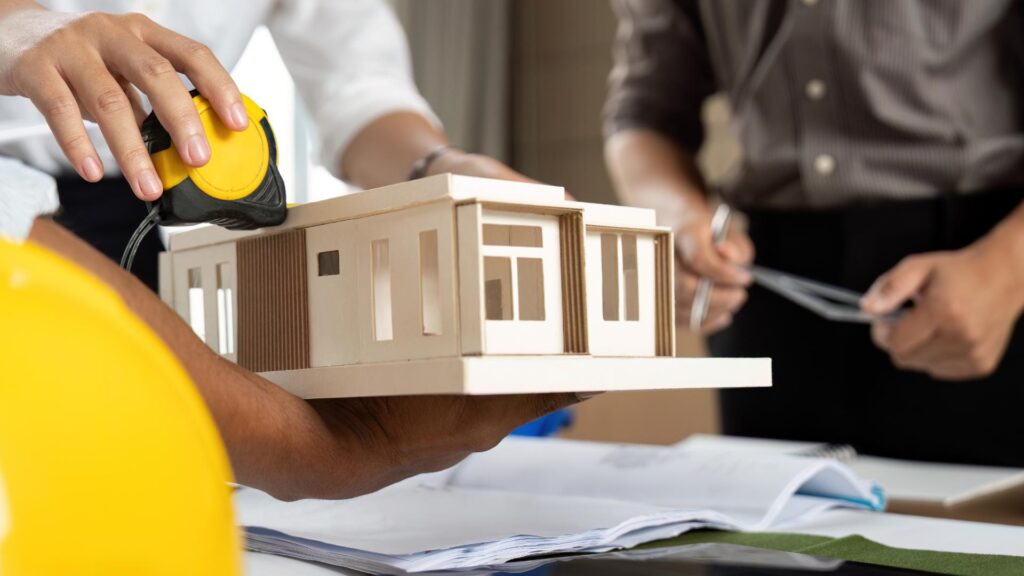
The construction landscape is shifting rapidly. Developers and project owners are no longer just looking for the most impressive skyscraper or the sprawling industrial complex; they are looking for efficiency, sustainability, and intelligent resource management. In a competitive market, the difference between a successful project and a financial burden often comes down to the engineering decisions made before the ground is even broken. This is where the concept of value engineering steps in, transforming how we approach the built environment.
At Integra, we believe that true engineering excellence is not about using the most expensive materials or the most complex designs. It is about finding the perfect balance between function, quality, and cost. By rigorously analyzing every aspect of a project, from the initial concept to the final details, we ensure that our clients achieve their vision without unnecessary expenditure. This approach is becoming the standard for modern construction, particularly in regions known for ambitious architectural feats.
Value Engineering Design in UAE
The demand for Value Engineering Design in UAE has surged as the region continues to cement its reputation as a global hub for architectural innovation and rapid urban development. In cities like Dubai and Abu Dhabi, where the skyline is defined by iconic structures, the pressure to deliver high-quality projects on tight budgets is immense. Value engineering in this context is not merely about cutting costs; it is a systematic method to improve the “value” of goods or products and services by using an examination of function. For developers in the UAE, this means scrutinizing building systems, materials, and equipment to achieve essential functions at the lowest life-cycle cost, consistent with required performance, reliability, quality, and safety. Integra specializes in this local context, navigating the specific regulatory requirements and climatic challenges of the UAE to deliver designs that are both economically viable and structurally superior.
The Core Principles of Value Engineering
Value engineering is often misunderstood as a simple cost-cutting exercise. However, the philosophy behind it is far more nuanced. It is rooted in the equation where Value equals Function divided by Cost. To increase value, you can either improve the function or reduce the cost. Ideally, a successful engineering strategy does both.
The Information Phase
Every successful value engineering exercise begins with gathering data. This involves understanding the owner’s requirements, the project’s constraints, and the budget limitations. At Integra, we dissect the project scope to understand what is truly needed versus what is merely desired. This clarity allows the engineering team to identify areas where resources might be wasted on features that do not add significant value to the end user.
The Creative Phase
Once the functions are defined, the creative phase begins. This is where brainstorming happens. Engineers and designers look for alternative ways to meet the required functions. Can a different structural system be used? Is there a material that offers better thermal performance at a lower price point? This phase relies heavily on out-of-the-box thinking and challenges established norms. It requires a team that is not afraid to question why things are done a certain way and to propose innovative alternatives.
The Analysis and Development Phase
Not every creative idea is a good one. In the analysis phase, the alternatives generated are evaluated for feasibility. We look at the technical viability, the economic impact, and the potential risks associated with each alternative. Only the most promising ideas are developed into full proposals. This development phase involves detailed calculations, cost estimates, and technical descriptions to prove that the alternative is indeed better than the original design.
Why the UAE Market Demands Smarter Engineering
The construction sector in the United Arab Emirates is unique. It is characterized by a high demand for speed and luxury, often in harsh environmental conditions. The extreme heat and saline humidity require materials and designs that are durable and resilient.
Traditional design methods often compensate for these risks by over-engineering—using larger beams, thicker slabs, or more expensive finishing materials than necessary. While this ensures safety, it bloats the budget. Through strategic analysis, Integra identifies these redundancies. We understand that in the UAE, efficient cooling systems, smart facade designs, and optimized structural grids are critical. By focusing our value engineering efforts on these high-impact areas, we help clients save millions without compromising the building’s longevity or aesthetic appeal.
Structural Optimization and Material Selection
One of the primary targets for value engineering is the structural frame of a building. The structure can account for a significant portion of the total construction cost. Optimizing the skeleton of a building requires a deep understanding of load paths and material properties.
For instance, switching from a fully concrete structure to a composite system might reduce the overall weight of the building. A lighter building means smaller foundations, which translates to savings in excavation and concrete volume. Similarly, optimizing the spacing of columns can reduce the span of slabs, allowing for thinner floor plates. These interconnected decisions highlight why an integrated approach is essential. A change in one area ripples through the entire project, and managing these ripples is where Integra excels.
Sustainability Through Efficiency
There is a direct link between value engineering and sustainability. By reducing the amount of material used—whether it is concrete, steel, or glass—we are also reducing the embodied carbon of the project. Waste reduction is a core tenet of green building, and value engineering is the most effective tool to achieve it.
In the UAE, where sustainability is becoming a regulatory priority through initiatives like the Estidama Pearl Rating System, value engineering serves a dual purpose. It helps projects meet green building standards while keeping costs in check. Integra focuses on selecting materials that are locally sourced where possible, reducing transportation costs and carbon footprint, further enhancing the project’s value proposition.
The Design of Steel Structures
When we look at industrial and commercial projects, the design of steel structures offers immense opportunities for value engineering. Steel is a material that relies heavily on precision; a slight over-specification in beam size or connection type can lead to massive weight increases across a large warehouse or high-rise tower. Integra approaches the design of steel structures with a focus on optimization and fabricability. We utilize advanced modeling software to simulate loads and stresses, allowing us to design connections and members that are exactly as strong as they need to be, without wasteful excess. By refining the geometry of the steel frame, we also streamline the erection process, reducing the time cranes and crews spend on site. This holistic view ensures that our steel designs are not just structurally sound, but also cost-effective to manufacture and assemble.
Maximizing Project Potential
The construction industry is evolving from a brute-force approach to one of intelligence and precision. The days of unlimited budgets and undefined timelines are behind us. Today, success is defined by how smart you can build, not just how big.
Integra stands at the forefront of this shift. By embedding value engineering into the DNA of our design process, we empower our clients to achieve more with less. Whether it is a residential tower in Dubai or an industrial steel complex in Abu Dhabi, the principles remain the same: analyze the function, optimize the form, and deliver exceptional value. As we look to the future of construction in the region, it is clear that those who embrace these efficient design methodologies will lead the market.