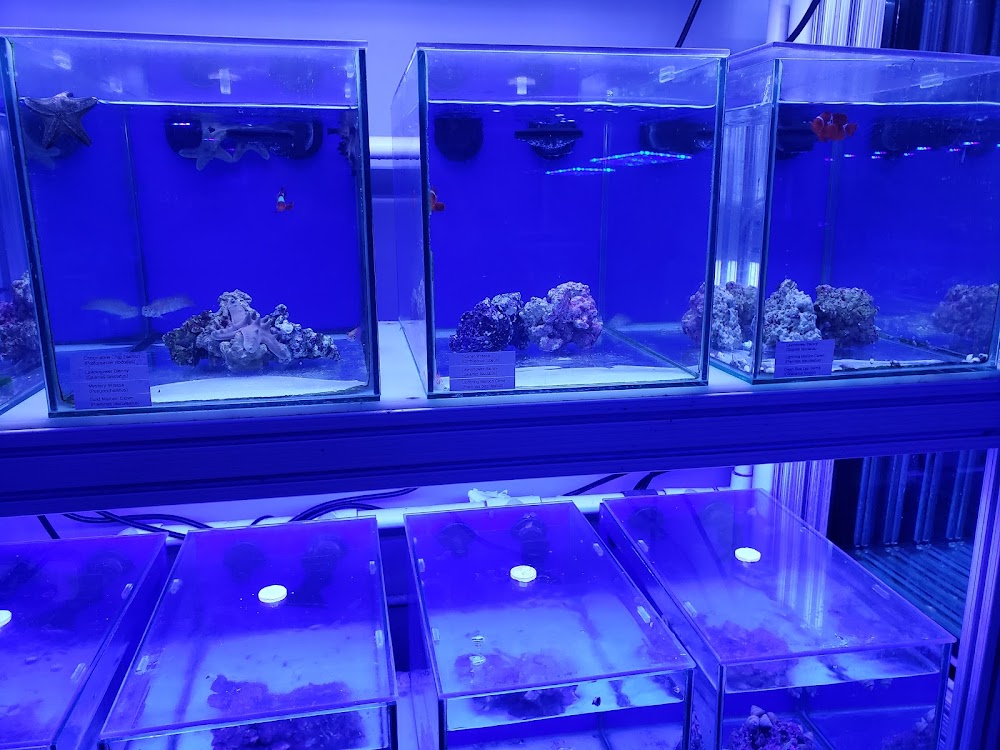
Adding new fish to a mature aquarium requires careful planning to protect both existing and new inhabitants. Many aquarists purchase stock from a reputable saltwater aquarium fish store near me, but stress, disease, and territorial disputes can arise if fish are added too quickly. Following a structured routine ensures newcomers acclimate gradually while the established population remains stable. Proper observation, preparation, and patience are essential to create a thriving tank environment where all fish coexist peacefully.
The Risks Of Introducing New Fish
Bringing new fish into an established aquarium carries multiple risks. New arrivals may carry pathogens that infect current fish. Sudden changes in temperature, pH, or salinity can shock sensitive species. Territorial aggression may lead to injuries or stress. Stress weakens immune systems, increasing vulnerability to disease. Recognizing these risks allows you to plan introductions carefully. Learning the behavior and biology of both new and existing fish reduces potential conflicts and ensures a safer, healthier environment for all inhabitants.
Preparing Your Tank Before Adding Fish
Tank preparation prevents problems before they start. Check temperature, pH, salinity, and ammonia levels to ensure water conditions are stable. Clean filters, substrate, and decorations to remove waste and contaminants. Remove leftover food that could pollute the water. Adding extra hiding spots and rearranging decorations gives new fish areas to retreat while reducing territorial conflicts. Observing existing fish for aggression or stress ensures the tank environment is ready for new arrivals. Proper preparation creates a safe, welcoming habitat that encourages smooth integration.
Quarantine: Protecting Your Aquarium
Quarantining new fish is critical for preventing disease transmission. Use a separate tank or container for at least 2–4 weeks before introducing them to the main aquarium. During this period, monitor for parasites, abnormal behavior, or visible signs of illness. Feed high-quality, varied foods to strengthen immunity. Quarantine allows fish to adapt gradually to water conditions. Implementing this step significantly reduces the risk of infecting the main tank population. Responsible quarantine practices protect both new and established fish while supporting healthy acclimation.
Step-by-Step Acclimation Process
Acclimation prevents stress and health issues caused by sudden environmental changes. Float the sealed transport bag in the tank for 15–20 minutes to match temperature. Gradually add small amounts of tank water to the bag over 45–60 minutes to adjust pH and salinity. Observe for signs of stress like rapid gill movement or unusual swimming. Once calm, gently release the fish using a net. Avoid dumping bag water into the tank to prevent contamination. Slow, controlled acclimation ensures fish adapt safely and thrive in their new environment.
Selecting Compatible Tank Mates
Compatibility is essential for a peaceful aquarium. Consider species’ size, temperament, and feeding habits. Aggressive or territorial fish can harm newcomers, while timid species may be bullied. Research compatibility charts and monitor interactions after introduction. Rearranging tank décor can reduce territorial disputes by creating new boundaries. Gradual introductions and careful observation prevent conflicts. Choosing the right mix of species ensures harmony, reduces stress, and promotes healthy, long-term community dynamics in your aquarium.
Signs Of Stress And How To Respond
Recognizing stress early protects fish health. Common signs include clamped fins, rapid gill movement, hiding, loss of appetite, or erratic swimming. If observed, isolate the fish in a quarantine tank and check water parameters. Adjust temperature, pH, and filtration as needed. Maintain a calm, quiet environment to reduce disturbances. Early intervention prevents disease and reduces mortality rates. Attentive monitoring during the first week allows you to identify issues quickly and supports a smoother transition for new fish.
Feeding And Nutrition Tips
Balanced nutrition aids healthy acclimation. Feed small portions multiple times daily rather than one large meal. Offer a variety of flakes, pellets, frozen, or live foods depending on species. Avoid overfeeding, as leftover food can pollute the water. Observe interactions during feeding to ensure all fish receive sufficient nutrition. Proper diet strengthens immunity, supports growth, and promotes natural coloration. Maintaining a consistent feeding routine reduces competition and stress, allowing newcomers to integrate successfully with established tank mates.
Using Hiding Spots And Decorations
Providing hiding places reduces stress for new fish. Caves, plants, and artificial structures offer retreats, which help timid species and prevent territorial disputes. Rearranging decorations can discourage aggression from existing fish and provide neutral zones. Observe which areas new fish prefer during the first days to ensure comfort. Adequate cover encourages natural behaviors and exploration while keeping fish safe. Thoughtful use of décor supports integration, improves tank harmony, and promotes the well-being of all aquarium inhabitants.
Common Mistakes To Avoid
Skipping quarantine, overcrowding, sudden water changes, and ignoring aggression are frequent errors. Direct introduction without acclimation, overfeeding, and using contaminated equipment increase stress and disease risk. Introducing incompatible species can lead to fighting or injury. Careful handling and consistent monitoring are essential. Following best practices reduces mortality and improves long-term survival. Avoiding these mistakes ensures your fish have a smoother transition and creates a stable, peaceful aquarium where all residents thrive.
Checklist For A Successful Introduction
- Quarantine new fish for 2–4 weeks
- Test and stabilize water parameters
- Acclimate gradually to prevent shock
- Add hiding spots for safety
- Monitor behavior and stress signals
- Feed small, balanced meals frequently
- Avoid overcrowding and territorial disputes
- Observe interactions closely during the first week
Conclusion:
Safe introductions require patience, careful preparation, and observation. Understanding risks, quarantining, acclimating slowly, providing proper nutrition, and offering hiding spots ensure a balanced, stress-free environment. Compatible tank mates and consistent monitoring reduce aggression and support natural behavior. Following these steps creates a vibrant, healthy aquarium where new and established fish coexist successfully. A disciplined approach to fish introduction guarantees a thriving, colorful community that remains stable over time.
FAQs
1. How long should fish be quarantined before adding to the main tank?
Two to four weeks allows detection of most parasites, infections, and abnormal behavior.
2. Can new fish be added directly to the tank?
Direct introduction increases stress and disease risk; quarantine is strongly recommended.
3. What is the safest acclimation method?
Gradually mix small amounts of tank water into the transport bag over 45–60 minutes.
4. How can I prevent aggression when adding new fish?
Rearranging decorations, providing hiding spots, and selecting compatible species reduces conflicts.
5. What are the signs of stress in new fish?
Clamped fins, rapid gill movement, hiding, loss of appetite, or erratic swimming indicate stress.