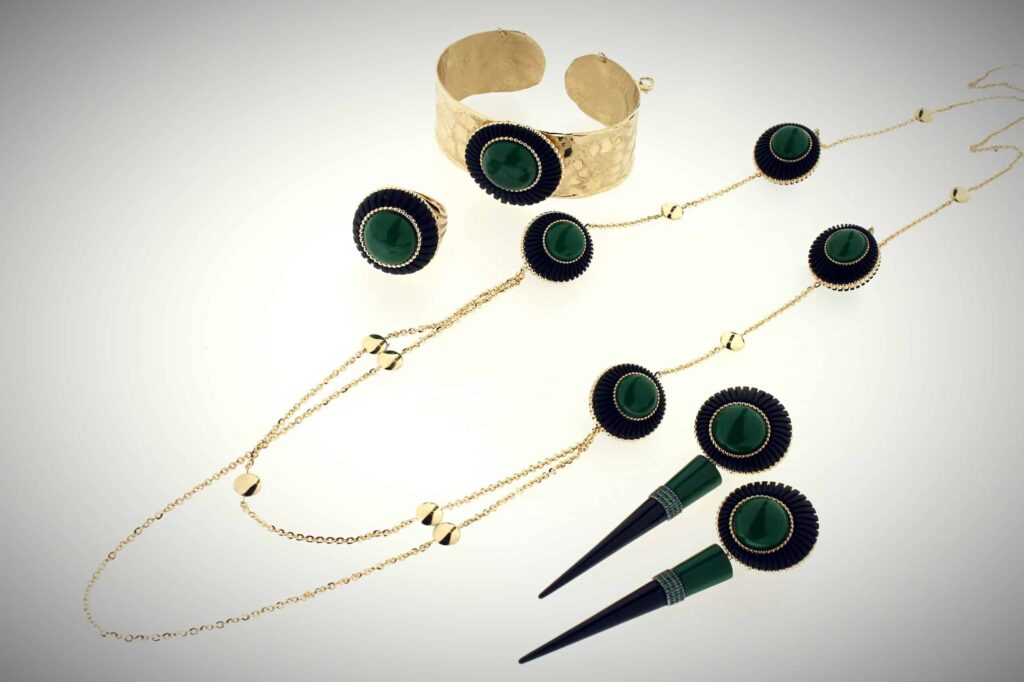
When it comes to precious metals, Gold cost in Nigeria remains a critical indicator for investors, buyers, jewelers, and anyone interested in the country’s economic trends. The gold market in Nigeria is shaped by global price movements, local currency fluctuations, demand and supply dynamics, and broader macroeconomic trends that collectively determine the Gold value in Nigeria. In this blog, we explore the latest prices, market drivers, and what they mean for different stakeholders.
CURRENT GOLD PRICES IN NIGERIA
As of the most recent market data, gold prices in Nigeria have experienced notable growth compared to previous years. Prices vary by purity (karat), reflecting global spot rates converted into Nigerian Naira (NGN).
Gold Prices per Gram (2026 – Latest Figures)
-
24K gold: approx. ₦217,036.29 per gram
-
22K gold: approx. ₦198,949.93 per gram
-
21K gold: approx. ₦189,906.75 per gram
-
18K gold: approx. ₦162,777.21 per gram
-
14K gold: approx. ₦126,966.23 per gram
-
10K gold: approx. ₦90,504.13 per gram
-
8K gold: approx. ₦72,273.08 per gram
These prices fluctuate daily due to changes in the global market and the USD/NGN exchange rate. Investors looking to trade gold in Nigeria should always confirm real-time rates before buying or selling.
HOW GOLD PRICES ARE DETERMINED IN NIGERIA
The Gold value in Nigeria is not set arbitrarily — several critical factors influence it:
-
Global Spot Price:
The international price of gold, typically quoted per ounce in USD, plays a foundational role in local pricing. When global prices rise, so does the Gold cost in Nigeria. This global movement is often driven by financial markets, safe-haven demand, and geopolitical uncertainties. -
Exchange Rate Dynamics:
Since most gold trading references U.S. dollar prices, fluctuations in the NGN to USD exchange rate directly affect local pricing. A weaker Naira often leads to a higher gold price in local currency terms. -
Purity and Quality:
Gold prices vary significantly across different karats. Pure gold (24K) is always more expensive than lower-karat gold used mainly in jewelry. -
Local Demand and Supply:
Nigeria’s demand for gold jewelry, investment bullion, and reserves held by institutions affects market pricing. During festive seasons or in periods of economic uncertainty, demand tends to rise, pushing prices up.
TRENDS IN NIGERIA’S GOLD MARKET
Understanding current trends provides deeper insight into the trajectory of the Gold cost in Nigeria and its implications.
Bullish Price Movement Over Time
Recent data shows that gold’s price per ounce in Nigeria has continued an upward trend over the past year, supported by global demand and investor interest in safe-haven assets. Analysts note gold prices have increased significantly over multi-year periods — sometimes more than doubling.
Influence of Global Economic Factors
Gold prices globally have seen historic highs due to economic instability, inflation pressures, and currency concerns. Although Nigeria’s price reflects local exchange and market factors, these global forces still impact the Gold value in Nigeria. Analyst sentiment on rising gold prices often signals investor preference for gold amid uncertain financial conditions.
Role of Central Banks and Reserves
African economies, including Nigeria, have been increasing gold holdings in recent years as part of strategic reserves. This strengthens national financial buffers but also underscores the importance of gold as a macroeconomic asset.
COMPARISON WITH PREVIOUS YEARS
Looking back at past price benchmarks helps contextualize how the Gold cost in Nigeria has evolved:
-
In previous years, 24K gold prices in Nigeria averaged below ₦200,000 per gram, with some sources citing figures around ~₦141,000 to ~₦192,000 depending on the period and source.
-
Today’s rates — surpassing ₦217,000 for 24K gold — show clear growth, influenced by rising global spot prices and local currency effects.
This upward movement indicates that gold remains a resilient store of value compared to many other asset classes.
IMPRESSIONS FOR INVESTORS AND BUYERS
Whether you’re investing for wealth preservation or buying jewelry, understanding how the Gold value in Nigeria works can guide better decisions:
1. Long-Term Investment
Gold often serves as a hedge against inflation and currency depreciation. As global uncertainties persist, gold’s appeal as a long-term asset remains strong.
2. Jewelry Buyers and Consumers
If purchasing gold jewelry, the focus should be on purity and craftsmanship. While 24K gold offers the highest gold content, lower karats (such as 18K or 14K) often provide better durability for wearable items.
3. Timing Your Transactions
Because gold prices fluctuate daily, buyers and sellers should consult live price platforms or trusted dealers before finalizing transactions. Staying updated reduces the risk of overpaying.
CONCLUSION
In summary, the Gold cost in Nigeria reflects a blend of global market forces, local exchange rate movements, and demand dynamics. With current prices showing strong upward momentum compared to past periods, gold continues to be a significant financial asset — whether for investment, savings, or jewelry. As the Gold value in Nigeria evolves, staying informed about real-time prices, karat differences, and market trends will help you make smarter and more profitable decisions.
If you’re planning to buy, sell, or invest in gold in Nigeria, make sure to monitor daily price updates and consult reputable market sources to ensure accuracy and value.