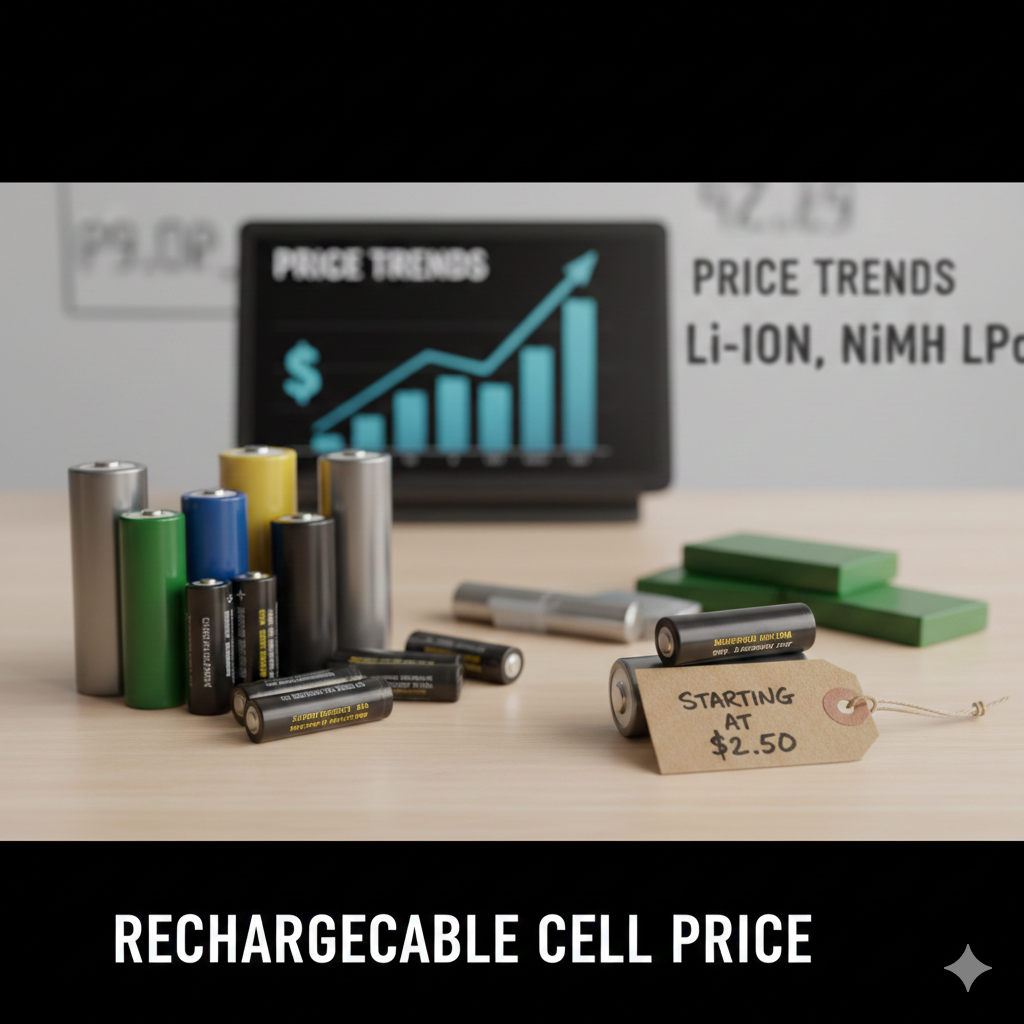
Rechargeable batteries have become an essential part of modern life. From remote controls and toys to power tools and solar systems, rechargeable cells are widely used in homes, offices, and industries. As electricity costs rise and people look for sustainable energy solutions, interest in rechargeable batteries continues to grow. One of the most common questions buyers ask is: what is the rechargeable cell price, and how can they choose the best option for their needs?
The rechargeable cell price depends on several factors, including battery type, brand, capacity, size, and technology. Whether you are buying AA batteries for household devices or lithium-ion cells for high-drain electronics, understanding the price range and what affects it can help you make a smart investment.
In this article, we will explore the factors that influence rechargeable cell price, different battery types, price comparisons, and practical tips to help you choose the right rechargeable battery for your budget and requirements.
What Is a Rechargeable Cell?
A rechargeable cell is a type of battery that can be recharged and used multiple times. Unlike disposable batteries, which must be thrown away after a single use, rechargeable cells can be charged hundreds or even thousands of times.
Common uses include:
-
Remote controls
-
Flashlights
-
Wireless keyboards and mice
-
Power banks
-
Cameras
-
Solar lighting systems
-
Power tools
Because they are reusable, rechargeable batteries reduce waste and offer long-term cost savings.
What Factors Affect Rechargeable Cell Price?
The rechargeable cell price varies widely depending on multiple factors. Let’s look at the most important ones.
1. Battery Type
Different battery technologies come with different price ranges.
Nickel-Metal Hydride (NiMH)
NiMH batteries are commonly used for AA and AAA cells. They are affordable and suitable for household devices. The rechargeable cell price for NiMH batteries is generally lower compared to lithium-based batteries.
Lithium-Ion (Li-ion)
Lithium-ion batteries are widely used in laptops, smartphones, power banks, and electric tools. They are more expensive but offer higher energy density and longer lifespan.
Lithium Iron Phosphate (LiFePO4)
These batteries are often used in solar systems and backup power solutions. They are durable and safe but cost more than standard lithium-ion batteries.
2. Battery Capacity (mAh)
Capacity is measured in milliampere-hours (mAh). The higher the capacity, the longer the battery can power a device.
For example:
-
AA NiMH battery: 1200–2800 mAh
-
18650 lithium-ion cell: 2000–3500 mAh
Higher capacity usually means a higher rechargeable cell price. However, it also means longer usage time between charges.
3. Brand and Quality
Well-known brands often charge more because they offer better quality control, safety standards, and longer lifespan. Premium brands may cost more upfront, but they can save money in the long run because they last longer.
Cheaper, unbranded batteries may seem attractive due to their lower rechargeable cell price, but they may have lower capacity, shorter lifespan, or safety risks.
4. Size and Format
Rechargeable batteries come in various sizes:
-
AA
-
AAA
-
C
-
D
-
9V
-
18650
-
21700
Larger batteries with higher capacity usually have a higher rechargeable cell price.
5. Charging Cycles
A charging cycle refers to one full discharge and recharge. Some rechargeable cells support 500 cycles, while others can handle over 2000 cycles.
Batteries with more charging cycles typically have a higher price but offer better long-term value.
Average Rechargeable Cell Price Range
Although the exact rechargeable cell price depends on location and market conditions, here is a general overview:
AA and AAA NiMH Batteries
-
Budget range: Low to moderate price per piece
-
Mid-range branded batteries: Moderate price
-
Premium brands: Higher price but longer lifespan
These are affordable options for daily household use.
18650 Lithium-Ion Cells
These are commonly used in:
-
Power banks
-
LED flashlights
-
Electric bikes
-
Solar backup systems
The rechargeable cell price for 18650 batteries is higher than standard AA batteries due to advanced technology and higher capacity.
Lithium Batteries for Solar Systems
Rechargeable lithium batteries used in solar systems or UPS systems can be significantly more expensive. However, they provide long-term savings through durability and efficiency.
Rechargeable Cell Price vs Disposable Batteries
Many people hesitate to buy rechargeable batteries due to the higher upfront rechargeable cell price. However, when compared to disposable batteries, rechargeable cells are more cost-effective over time.
For example:
-
A disposable battery may last one week in a frequently used device.
-
A rechargeable battery can be reused hundreds of times.
Although the initial rechargeable cell price is higher, the long-term savings are substantial. Additionally, rechargeable batteries reduce environmental waste.
How to Choose the Right Rechargeable Cell
When considering rechargeable cell price, it is important to focus not just on cost but also on value.
1. Identify Your Device Requirements
Check:
-
Required voltage
-
Recommended battery type
-
Capacity needs
Using the wrong battery type can damage your device.
2. Consider Usage Frequency
If you use the device frequently, invest in higher-capacity batteries even if the rechargeable cell price is slightly higher. It will reduce frequent charging and improve convenience.
3. Compare Price Per Cycle
Instead of focusing only on the initial rechargeable cell price, calculate the cost per charging cycle.
For example:
-
Battery A costs more but lasts 2000 cycles
-
Battery B costs less but lasts 500 cycles
Battery A may offer better long-term value.
4. Buy from Reliable Sellers
Always purchase rechargeable batteries from trusted sellers. This ensures:
-
Genuine products
-
Warranty support
-
Safety standards
Counterfeit batteries may have a lower rechargeable cell price but pose safety risks.
Rechargeable Cell Price in Pakistan
In Pakistan, the rechargeable cell price varies depending on:
-
Import costs
-
Currency exchange rate
-
Brand availability
-
Demand and supply
Local markets, electronics shops, and online stores may offer different pricing. It is advisable to compare prices from multiple sellers before making a purchase.
AA and AAA rechargeable batteries are generally affordable and widely available. However, lithium-ion cells used in solar systems or electric bikes can be significantly more expensive due to their advanced technology and higher capacity.
Advantages of Investing in Rechargeable Cells
Even if the rechargeable cell price seems high at first, there are many advantages:
1. Long-Term Savings
Rechargeable batteries reduce the need for frequent replacements.
2. Environmental Benefits
They reduce battery waste and lower environmental impact.
3. Reliable Performance
High-quality rechargeable cells maintain stable voltage and performance.
4. Convenience
You can recharge them at home using a compatible charger.
Common Mistakes to Avoid
When evaluating rechargeable cell price, avoid these mistakes:
-
Choosing the cheapest option without checking quality
-
Mixing old and new batteries in the same device
-
Using incompatible chargers
-
Ignoring capacity ratings
Proper usage and charging can significantly extend battery life.
Are Expensive Rechargeable Cells Always Better?
Not necessarily. While premium batteries often provide better performance, the best choice depends on your needs.
For low-drain devices like TV remotes, a mid-range rechargeable battery is sufficient. For high-drain devices like cameras or power tools, investing in higher-quality lithium-ion batteries is recommended, even if the rechargeable cell price is higher.
Future Trends in Rechargeable Battery Pricing
As technology advances and production scales increase, rechargeable cell price may become more affordable. The growing demand for renewable energy and electric vehicles is also driving innovation in battery technology.
New battery chemistries promise:
-
Faster charging
-
Higher capacity
-
Longer lifespan
-
Improved safety
These improvements may influence future pricing and make rechargeable batteries even more cost-effective.
Conclusion
So, what is the rechargeable cell price, and which option offers the best value? The answer depends on battery type, capacity, brand, and intended use. While the initial rechargeable cell price may seem higher than disposable batteries, the long-term savings, environmental benefits, and improved performance make them a smart investment.
When choosing a rechargeable battery, focus on value rather than just cost. Consider capacity, lifespan, safety, and compatibility with your device. By making an informed decision, you can enjoy reliable performance while saving money over time.
Rechargeable batteries are not just a convenient power solution; they are an investment in sustainability and efficiency. Whether for household devices or larger power systems, understanding rechargeable cell price helps you make a confident and cost-effective choice.

.png)