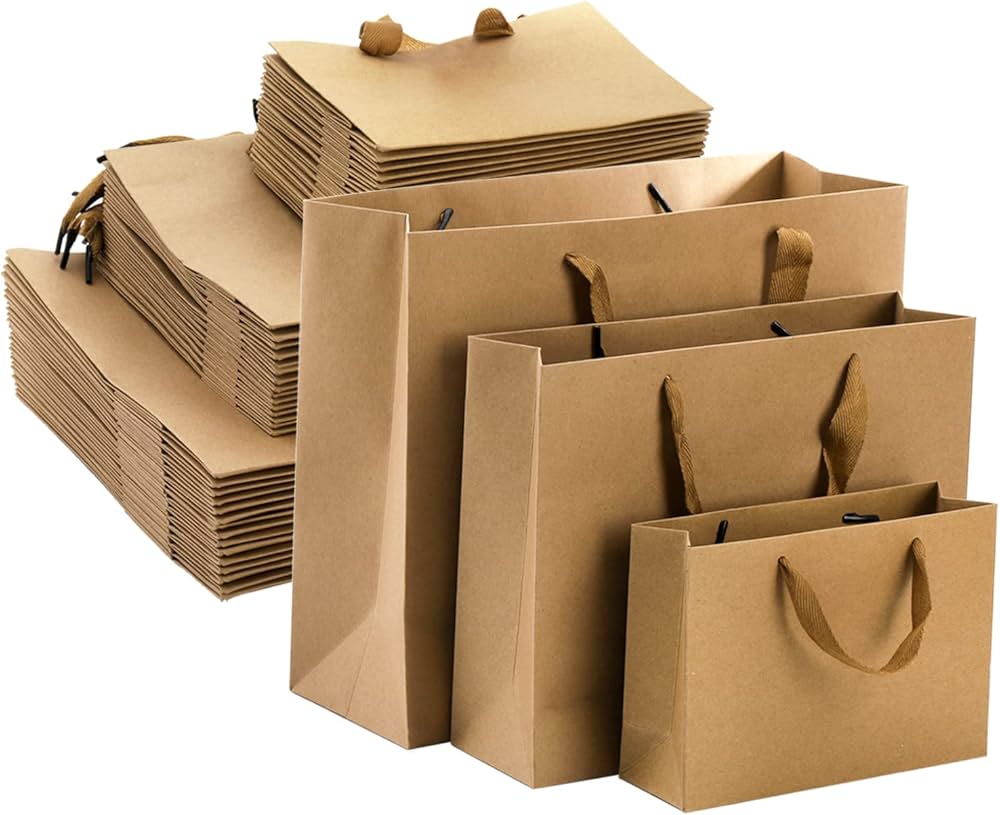
In recent years, packaging has shifted from being a purely functional necessity to a strategic brand asset. Across the UK retail landscape, businesses are rethinking materials, strength, and sustainability—not as marketing buzzwords, but as operational priorities. Among these changes, strong paper bags have emerged as a practical solution for brands seeking durability without compromising environmental responsibility.
From fashion retailers and food outlets to luxury boutiques and trade suppliers, strong paper bags are no longer a niche option. They represent a response to evolving consumer expectations, stricter regulations, and the growing demand for packaging that performs reliably throughout the customer journey.
Why Strength Matters More Than Ever in Paper Packaging
Paper bags were once associated with fragility and limited load capacity. However, advancements in material engineering and manufacturing have significantly changed that perception. Today’s strong paper bags are designed to handle weight, resist tearing, and maintain structural integrity—even when carrying heavier or premium products.
For UK businesses, strength is not just about avoiding breakage. It directly impacts customer experience. A bag that tears en route home undermines trust in a brand, regardless of how sustainable the packaging claims to be. As a result, durability has become a baseline expectation rather than a premium feature.
Retailers operating in competitive environments—particularly fashion, cosmetics, and specialty food—now view strong paper bags as essential infrastructure rather than optional packaging upgrades.
Materials and Construction: What Makes a Paper Bag “Strong”?
Not all paper bags are created equal. Strength is determined by a combination of material choice, paper weight (GSM), handle construction, and reinforcement techniques.
In the UK market, kraft paper remains the most widely used base material for strong paper bags. Its long wood fibres provide higher tensile strength, making it suitable for heavier loads. Multi-ply paper structures and reinforced bases further enhance durability without significantly increasing environmental impact.
Handle design also plays a critical role. Twisted paper handles, flat reinforced handles, and rope handles distribute weight more evenly, reducing stress points. For many businesses, investing in better handle construction has proven more effective than simply increasing paper thickness.
These technical improvements reflect a broader industry shift: strength is now engineered thoughtfully rather than achieved through excessive material use.
Sustainability and Strength Are No Longer Opposites
A common misconception is that stronger paper bags must be less sustainable. In reality, the opposite is often true. A durable paper bag that can be reused multiple times has a lower overall environmental footprint than a weaker bag that requires frequent replacement.
UK consumers are increasingly aware of this distinction. According to packaging behaviour studies, shoppers are more likely to reuse paper bags they perceive as “high quality” or “sturdy,” particularly in urban retail settings. This reuse extends the lifecycle of the bag and reinforces brand visibility in everyday contexts.
From a compliance perspective, strong paper bags align well with the UK’s plastic reduction goals and extended producer responsibility (EPR) frameworks. Businesses adopting durable paper alternatives are better positioned to adapt to ongoing regulatory changes without frequent packaging overhauls.
Industry Applications: Where Strong Paper Bags Add the Most Value
While strong paper bags are relevant across many sectors, certain industries benefit disproportionately from their use.
Fashion and apparel brands rely on strength to protect garments while maintaining a premium feel. A rigid base and reinforced handles prevent distortion and creasing, especially for folded or layered items.
Food and beverage businesses, particularly takeaway and artisanal producers, require bags that can handle weight, moisture resistance (often via coatings), and short-distance transport without failure.
Luxury and boutique retailers use strong paper bags as an extension of brand identity. Durability here supports not only function but perception—customers associate sturdiness with quality and professionalism.
Across these sectors, strong paper bags reduce product damage, minimise customer complaints, and indirectly support brand reputation.
The UK Market Perspective: Practicality Over Hype
In the UK, packaging buyers tend to prioritise reliability and compliance over novelty. While design and aesthetics matter, procurement decisions are increasingly driven by performance metrics such as load capacity, supplier consistency, and recyclability.
This has led to closer collaboration between brands and packaging specialists who understand local market expectations. Companies like Sky Tags And Bags are often referenced within industry discussions for focusing on practical durability alongside responsible material sourcing, rather than chasing short-term trends.
Such approaches reflect a broader UK mindset: sustainability must work in real-world retail conditions, not just in theory.
How Strong Paper Bags Support Brand Trust Long-Term
Beyond immediate functionality, strong paper bags UK play a subtle but important role in long-term brand trust. Customers may not consciously analyse bag construction, but they remember experiences—positive or negative.
A bag that feels reliable communicates care, professionalism, and attention to detail. Over time, these small interactions accumulate into brand credibility. For businesses operating in crowded markets, this consistency can be more impactful than overt branding or promotional messaging.
From a digital PR and off-page SEO perspective, discussions around strong paper bags also support topical authority. Content that addresses durability, sustainability, and practical use cases positions brands and publishers as informed contributors rather than advertisers.
Conclusion: Strength as the New Standard in UK Paper Packaging
Strong paper bags are no longer a secondary consideration in UK packaging decisions. They sit at the intersection of sustainability, customer experience, and operational efficiency. As material technology improves and environmental expectations rise, strength has become a defining characteristic of responsible paper packaging.
For UK businesses, the takeaway is clear: durability is not an optional upgrade—it is part of meeting modern standards. By choosing strong paper bags that balance performance with environmental responsibility, brands can reduce waste, enhance customer trust, and align with the direction in which the packaging industry is clearly moving.
In an era where every detail contributes to perception, strength speaks quietly—but it speaks volumes.