Managing Upper Right Intestinal Pain: Expert Overview
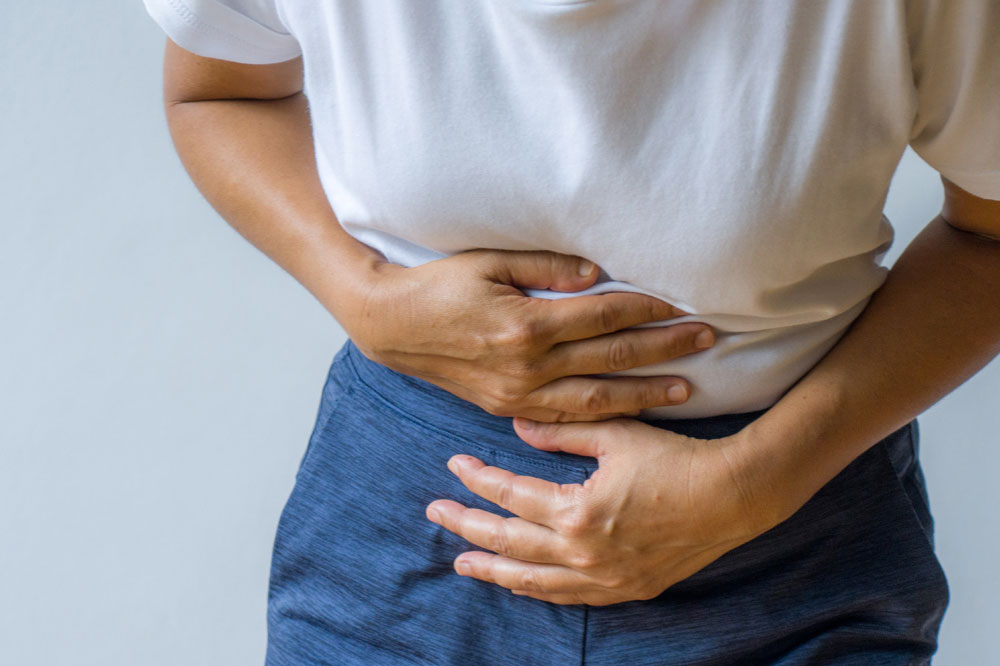
Upper right intestinal pain is a common digestive complaint that can range from mild, temporary discomfort to symptoms linked with specific abdominal conditions. This pain is felt in the upper right portion of the abdomen, beneath the rib cage and toward the center of the stomach. Because several digestive organs occupy this space, understanding how to manage symptoms effectively requires awareness of possible causes, triggers, and supportive care strategies. With informed self-care and timely medical guidance, most people can reduce discomfort and protect long-term digestive health.
Understanding Upper Right Intestinal Pain
The upper right abdominal region contains portions of the small intestine, the first bend of the large intestine (hepatic flexure), and nearby digestive structures such as the liver and gallbladder. Because nerves serving these organs overlap, upper-right-intestinal-pain can feel similar even when underlying causes differ. Pain may be localized or spread across the upper abdomen and sometimes radiate toward the back or right shoulder blade.
People commonly describe upper right intestinal pain as:
- Cramping or gas-like pressure
- Dull aching or heaviness
- Sharp or stabbing discomfort
- Fullness after meals
The timing of pain—especially in relation to eating, bowel movements, or posture—often helps identify its source.
Common Triggers and Contributing Factors
Many cases of upper right intestinal discomfort are linked to everyday digestive triggers rather than serious disease.
Gas accumulation
Air swallowed while eating or gas produced during digestion can collect in the upper colon. This creates pressure under the rib cage that may feel sharp or cramping until gas passes.
Large or fatty meals
Heavy foods slow stomach emptying and intestinal movement. This can lead to bloating and upper abdominal discomfort.
Constipation
Slowed bowel movement causes stool to remain longer in the colon, stretching intestinal walls and producing localized aching in the hepatic flexure area.
Food sensitivities
Some individuals react to certain carbohydrates, dairy, or fatty foods with localized intestinal irritation and gas formation.
Stress and gut sensitivity
Emotional stress influences intestinal motility and sensitivity through the gut-brain connection, sometimes intensifying discomfort without structural disease.
Recognizing these factors is a key step in effective symptom management.
Self-Care Strategies for Relief
Mild upper right intestinal pain often improves with simple lifestyle adjustments that support normal digestion.
Eat smaller, balanced meals
Dividing food into smaller portions reduces digestive load and gas formation.
Chew slowly and mindfully
Eating quickly increases swallowed air, which contributes to bloating and intestinal pressure.
Stay hydrated
Adequate water intake supports bowel movement and reduces constipation-related discomfort.
Encourage gentle movement
Walking after meals stimulates intestinal motility and helps gas move through the digestive tract.
Adjust fiber intake gradually
Moderate fiber supports bowel regularity, but sudden increases may worsen bloating in sensitive individuals.
Use warm compresses
Gentle heat applied to the upper abdomen can relax intestinal muscles and ease cramping.
These approaches are often effective for routine digestive discomfort.
When Diet Plays a Role
Dietary patterns significantly influence upper right intestinal symptoms. Certain foods are more likely to produce gas or delayed digestion.
Common triggers include:
- Fried or high-fat meals
- Carbonated beverages
- Beans and certain legumes
- Onions or cruciferous vegetables in sensitive individuals
- Dairy in lactose intolerance
Keeping a brief food-symptom diary can help identify personal triggers. Eliminating or reducing problem foods often decreases recurrence of pain.
Distinguishing Intestinal from Gallbladder Pain
Although intestinal discomfort is common, persistent upper right pain after fatty meals may involve the gallbladder. Gallbladder-related pain typically differs in several ways:
- Steady rather than cramping
- Lasts longer (often 30 minutes to hours)
- Occurs after heavy or fatty meals
- May radiate to the back or right shoulder
- Often accompanied by nausea
If these features are present, medical evaluation is recommended to assess biliary causes.
Medical Evaluation and Diagnosis
Professional assessment helps determine whether upper right intestinal pain is functional (digestive) or structural (organ-related). Clinicians consider:
- Pain timing and pattern
- Diet and bowel habits
- Associated symptoms
- Physical examination findings
Diagnostic tools may include blood tests, abdominal ultrasound, or imaging to examine the liver, gallbladder, and intestines. Most evaluations are straightforward and non-invasive.
Medical Management Options
If symptoms persist or a specific condition is identified, treatment may include:
- Antispasmodic medications to reduce intestinal cramping
- Digestive aids or enzyme support
- Constipation management therapies
- Treatment for gallbladder or liver disorders
- Gut-directed therapies for functional bowel disorders
Early treatment typically prevents symptom progression and improves comfort.
Preventing Recurrence
Long-term management focuses on reducing triggers and supporting consistent digestion. Preventive strategies include:
- Maintaining regular meal timing
- Limiting heavy late-night eating
- Staying physically active
- Managing stress through relaxation techniques
- Maintaining healthy body weight
- Attending routine health checkups
These habits improve both intestinal and overall abdominal health.
Recognizing Warning Signs
While most upper right intestinal pain is mild, certain symptoms require prompt medical attention:
- Persistent or worsening pain
- Fever or chills
- Repeated vomiting
- Yellowing of skin or eyes
- Severe abdominal tenderness
- Unintentional weight loss
These signs may indicate infection, inflammation, or biliary disease rather than simple digestive upset.
The Role of the Gut-Brain Connection
Modern digestive science recognizes the strong link between emotional state and intestinal function. Stress can alter gut motility, sensitivity, and gas handling, sometimes producing real abdominal pain without visible disease. Health And Wellness Articles note that managing stress through breathing exercises, sleep balance, and relaxation practices often reduces recurrent intestinal discomfort.
Final Thoughts
Managing upper right intestinal pain involves understanding triggers, supporting healthy digestion, and recognizing when symptoms need medical evaluation. Most cases arise from gas, dietary factors, or bowel irregularity and improve with lifestyle adjustments such as balanced meals, hydration, and gentle activity. However, persistent or meal-related pain may indicate gallbladder or liver involvement and should be assessed professionally.