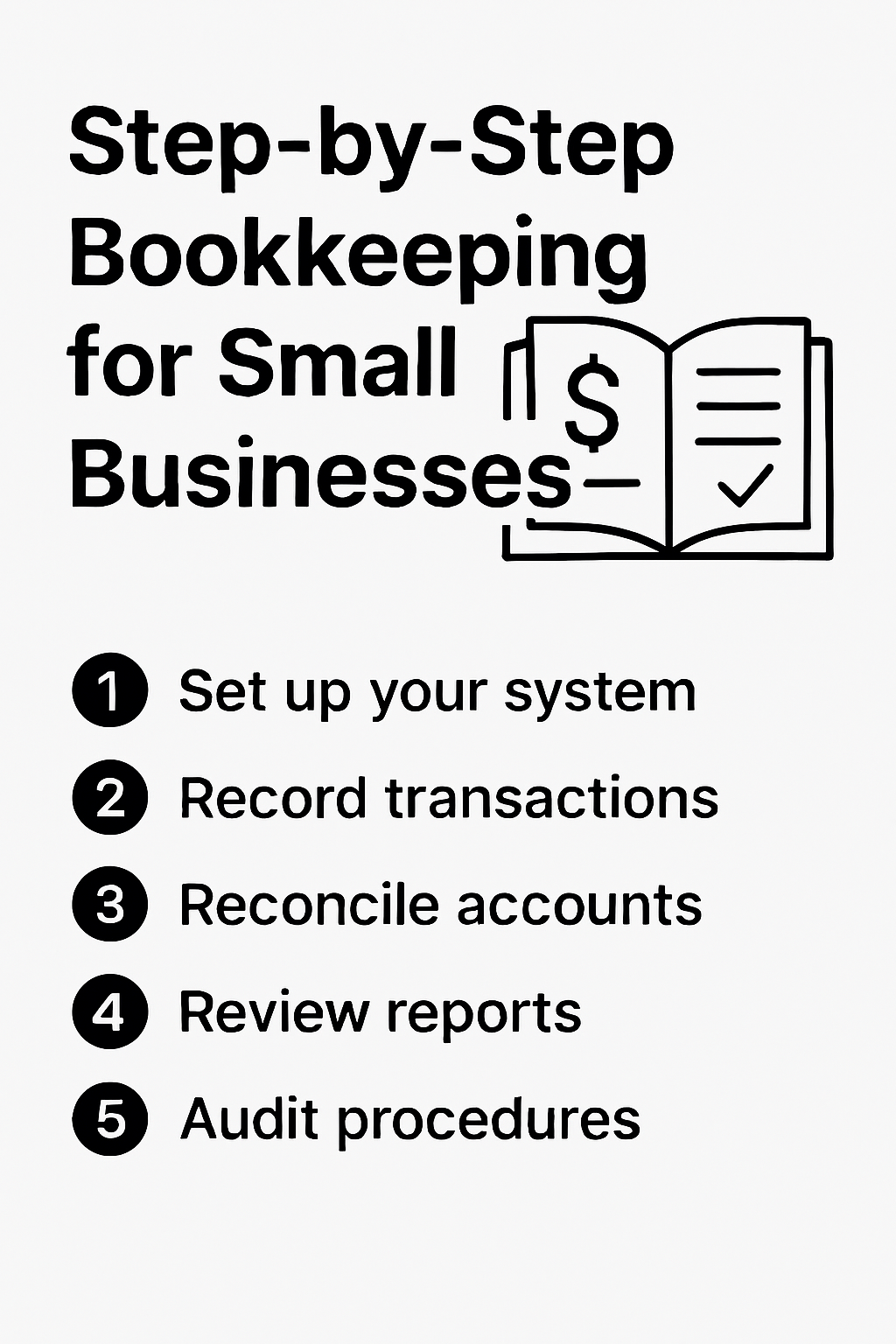
Running a small business today isn’t just about selling products or delivering services—it’s about managing your finances with clarity and confidence. Many entrepreneurs ignore bookkeeping until tax season arrives, only to face confusion, missing invoices, and stressful calculations.
This guide breaks down step-by-step bookkeeping for small businesses in a practical way. Whether you run a retail store, consultancy, startup, or service company, proper bookkeeping ensures financial stability, tax compliance, and smart business decisions.
If you’re a business owner in Tamil Nadu, professional Bookkeeping Services In Chennai and Income Tax Filing In Chennai can simplify this entire process. Firms like Chennai Accounts specialize in helping businesses stay financially organized and compliant.
Let’s walk through the process like an expert accountant would.
Why Bookkeeping Matters for Small Businesses
Before jumping into the steps, it’s important to understand why bookkeeping is the backbone of every successful business.
Bookkeeping helps you:
- Track profits and losses accurately
- Maintain compliance with tax laws
- Monitor cash flow
- Prepare financial statements easily
- Avoid penalties during audits
- Make better financial decisions
Without structured records, even profitable businesses can face tax penalties, GST issues, or financial mismanagement.
This is why many entrepreneurs outsource Bookkeeping Services In Chennai to experts like Chennai Accounts who manage accounts professionally while business owners focus on growth.
Step-by-Step Bookkeeping Process for Small Businesses
Step 1: Separate Business and Personal Finances
The first rule of professional bookkeeping is never mix personal and business money.
Open a dedicated business account for:
- Income deposits
- Vendor payments
- Business expenses
- Tax payments
Benefits
| Benefit | Explanation |
| Financial clarity | Easier to track revenue and expenses |
| Tax accuracy | Simplifies tax filing |
| Professional records | Essential for loans or investors |
This small step makes bookkeeping 10x easier later.
Step 2: Record Every Financial Transaction
Every transaction must be recorded, including:
- Sales income
- Vendor payments
- Office expenses
- Employee salaries
- Tax payments
- Loan repayments
Many businesses fail because they track only major transactions and ignore small expenses.
Example of Transaction Recording
| Date | Transaction | Category | Amount |
| 10 Feb | Client Payment | Revenue | ₹50,000 |
| 11 Feb | Office Rent | Expense | ₹15,000 |
| 12 Feb | Software Subscription | Expense | ₹2,500 |
Professional Bookkeeping Services In Chennai maintain this data daily to ensure accurate financial records.
Step 3: Organize Invoices and Receipts
Documentation is essential for both tax filing and financial tracking.
You should store:
- Sales invoices
- Purchase bills
- Payment receipts
- Bank statements
- GST invoices
Modern bookkeeping uses cloud accounting software to store these documents securely.
Expert Tip
Create folders like:
- Sales
- Expenses
- Payroll
- Tax Documents
Accountants at Chennai Accounts recommend digital storage to reduce paperwork and avoid missing records during audits.
Step 4: Categorize Your Expenses
Expense categorization helps identify where your money goes.
Common categories include:
| Category | Examples |
| Rent | Office rent |
| Utilities | Internet, electricity |
| Marketing | Ads, promotions |
| Salaries | Employee payroll |
| Software | Business tools |
When expenses are categorized correctly, profit analysis becomes easier.
This is one of the key services offered in professional Bookkeeping Services In Chennai.
Step 5: Reconcile Bank Statements
Bank reconciliation ensures that your bookkeeping records match your bank statements.
Why This Matters
| Issue Prevented | Explanation |
| Fraud detection | Identifies unauthorized transactions |
| Data errors | Finds missing entries |
| Cash flow clarity | Shows actual balance |
Reconciliation should be done monthly to maintain accurate accounts.
Step 6: Prepare Financial Statements
Once transactions are organized, you can generate financial reports.
Important Financial Statements
| Statement | Purpose |
| Profit & Loss | Shows business income and expenses |
| Balance Sheet | Displays assets and liabilities |
| Cash Flow Statement | Tracks incoming and outgoing cash |
These reports help business owners understand financial health and growth opportunities.
Step 7: Prepare for Tax Filing
Bookkeeping directly impacts tax filing accuracy.
Proper records make Income Tax Filing In Chennai faster and error-free.
Documents Required for Tax Filing
- Profit & Loss statement
- Expense records
- GST filings
- Bank statements
- Investment details
Professional accountants like Chennai Accounts ensure businesses file taxes correctly while maximizing deductions.
Modern Bookkeeping Trends in 2026
Bookkeeping is evolving rapidly with technology.
Key Trends
| Trend | Impact on Businesses |
| Cloud Accounting | Access financial data anywhere |
| AI-powered bookkeeping | Automated transaction categorization |
| Real-time financial dashboards | Instant financial insights |
| GST integration | Simplified tax reporting |
Many companies now rely on Bookkeeping Services In Chennai that combine technology with expert financial advice.
When Should You Outsource Bookkeeping?
Many business owners initially manage accounts themselves but eventually outsource.
Signs You Need Professional Help
- Spending too much time on accounts
- Confusion during tax filing
- Errors in financial reports
- Difficulty managing GST compliance
- Business growth increasing transactions
Outsourcing to experts like Chennai Accounts ensures financial records remain accurate, compliant, and audit-ready.
Small Business Bookkeeping Checklist
Here’s a simple weekly bookkeeping checklist.
| Task | Frequency |
| Record transactions | Daily |
| Organize receipts | Weekly |
| Reconcile bank accounts | Monthly |
| Review financial reports | Monthly |
| Prepare tax documents | Quarterly |
Following this checklist ensures smooth Income Tax Filing In Chennai without last-minute stress.
Expert Tips for Better Bookkeeping
Here are some professional recommendations used by experienced accountants.
1. Automate Accounting
Use software like Zoho Books, Tally, or QuickBooks.
2. Maintain Backup Records
Always keep cloud and offline backups.
3. Track Cash Flow Weekly
Cash flow issues cause most business failures.
4. Review Financial Reports Regularly
Monthly review helps identify problems early.
5. Work With Professionals
Expert Bookkeeping Services In Chennai ensure accuracy and compliance.
FAQs – Bookkeeping for Small Businesses
1. What is bookkeeping in simple terms?
Bookkeeping is the process of recording and organizing financial transactions such as income, expenses, and payments.
2. Do small businesses really need bookkeeping?
Yes. Without bookkeeping, businesses cannot track profits, manage taxes, or prepare financial reports.
3. How often should bookkeeping be done?
Ideally daily or weekly, depending on the transaction volume.
4. What is the difference between bookkeeping and accounting?
| Bookkeeping | Accounting |
| Records financial transactions | Analyzes financial data |
| Daily data entry | Financial strategy and reporting |
5. Can I outsource bookkeeping?
Yes. Many companies outsource Bookkeeping Services In Chennai to firms like Chennai Accounts to save time and ensure professional accuracy.
Final Thoughts
Bookkeeping is not just about compliance—it’s about building a financially healthy business. When your accounts are organized, you gain better control over cash flow, taxes, and growth decisions.
By following the step-by-step bookkeeping process, small businesses can maintain clarity, reduce financial risks, and stay ready for tax season.
If managing accounts feels overwhelming, professional Bookkeeping Services In Chennai from Chennai Accounts can handle everything from daily bookkeeping to Income Tax Filing In Chennai, giving you the freedom to focus on growing your business.