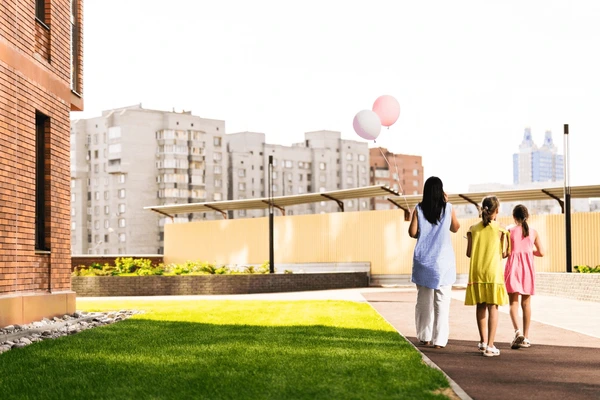
In the evolving landscape of urban living, comfort is no longer defined solely by the four walls of a home. Increasingly, it is shaped by the spaces between buildings, the pathways that connect neighbours, and the amenities that bring people together. Thoughtful community design has emerged as a crucial element in residential planning, transforming housing developments into holistic living environments where everyday life feels smoother, healthier and more fulfilling.
Designing for Well-Being, Not Just Housing
At its foundation, community design should prioritise human well-being. This means integrating open green areas, natural light, ventilation and pedestrian-friendly pathways into the master plan. Access to landscaped gardens and outdoor spaces offers more than aesthetic appeal, it supports physical activity, reduces stress and provides room for children to play freely.
When residential communities are designed with a strong emphasis on open spaces, residents benefit from improved air quality and a visual connection to nature. These seemingly small details contribute significantly to daily comfort, turning a routine walk into a refreshing experience and a quiet evening outdoors into a restorative ritual.
Encouraging Meaningful Social Interaction
A thoughtfully designed community creates natural opportunities for interaction. Shared amenities such as clubhouses, multipurpose courts, jogging tracks and children’s play areas act as social anchors. They allow neighbours to meet organically, during a morning workout, an evening stroll or a weekend gathering.
Such spaces help cultivate a sense of belonging. Over time, familiar faces become trusted connections, and a neighbourhood evolves into a supportive social network. This sense of community plays a vital role in emotional well-being, especially in urban settings where isolation can easily take root.
Developments like Joyville Hadapsar Annexe in Pune reflect how structured planning can blend lifestyle amenities with open landscapes, encouraging both active living and relaxed social engagement. By allocating significant space to recreation and greenery, the design supports a balanced daily routine without overwhelming the senses.
Seamless Connectivity and Everyday Convenience
Comfort is also about convenience. A well-designed residential community considers how residents move, both within the development and in relation to the surrounding city. Clear internal pathways, safe pedestrian zones and easy access to key infrastructure reduce daily friction.
Connectivity to schools, workplaces, retail hubs and healthcare facilities ensures that residents spend less time commuting and more time enjoying their personal lives. This integration between residential planning and urban accessibility enhances quality of life in subtle but meaningful ways.
It is this integrated thinking that distinguishes a truly well-planned development. The focus extends beyond constructing homes to crafting environments that support modern lifestyles.
Balancing Privacy with Shared Spaces
One of the most delicate aspects of community design is maintaining privacy while encouraging interaction. Thoughtful spatial planning ensures that residents can retreat into personal space when needed, without feeling disconnected from the broader neighbourhood.
Strategic placement of buildings, landscaped buffers and zoning of recreational areas helps create this equilibrium. The result is a living environment that feels open yet secure, vibrant yet peaceful.
When developers approach residential planning with this mindset, the outcome reflects careful consideration of both individual and collective needs. It is this philosophy that positions Shapoorji pallonji real estate among conversations around the best real estate company in India, not merely for constructing homes, but for shaping liveable communities grounded in long-term value and thoughtful planning.
The Everyday Impact of Good Design
Ultimately, the true success of a residential community lies in how it shapes daily life. Waking up to greenery, greeting neighbours during a walk, watching children play safely within sight, these small experiences accumulate into lasting comfort.
Thoughtful community design transforms residential developments into spaces where people do more than reside; they thrive. By prioritising well-being, social connection, accessibility and balance, modern communities can redefine what everyday comfort truly means.
In a world where urban living continues to intensify, such design principles are no longer optional, they are essential.