How Electrical Substation Layout Planning Improves Grid Reliability
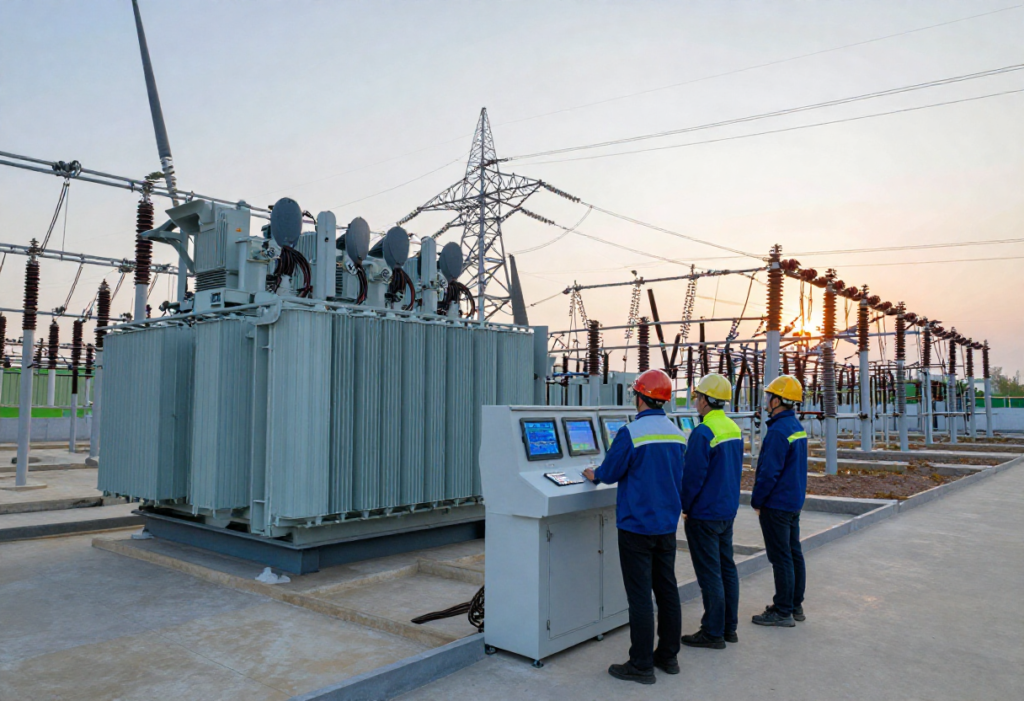
Modern power systems depend heavily on reliable infrastructure to deliver electricity safely and efficiently. Among the most critical components of this infrastructure are substations, which regulate voltage, control power flow, and ensure consistent energy distribution. Proper electrical substation design plays a crucial role in maintaining a stable grid, preventing outages, and supporting growing energy demands.
A well-planned electrical substation layout does more than organize equipment—it improves operational efficiency, enhances safety, and reduces the risk of failures. Through advanced substation engineering design, utilities and engineering firms can build systems that operate reliably for decades.
Below, we explore how strategic layout planning strengthens grid reliability and why it is essential for modern power networks.
The Importance of Electrical Substation Layout Planning
Substations contain complex electrical equipment such as transformers, circuit breakers, busbars, protection systems, and control buildings. Without proper planning, the arrangement of these components can lead to operational challenges, safety hazards, and inefficient maintenance processes.
An effective electrical substation layout ensures that every component is placed logically to support safe operation, easy access, and efficient power flow. It also considers factors such as equipment spacing, grounding systems, cable routing, and future expansion.
Careful electrical substation design allows engineers to reduce congestion within the facility while ensuring that protective systems can isolate faults quickly. When equipment is arranged strategically, the entire grid benefits from faster response times and reduced downtime.
Enhancing Grid Stability Through Smart Engineering
One of the primary goals of substation engineering design is to improve grid stability. Power systems must maintain consistent voltage and frequency levels while handling fluctuations in demand and supply.
A well-planned substation design & engineering process ensures that transformers, switchgear, and bus configurations are arranged in a way that supports stable power distribution. Engineers carefully analyze electrical load requirements, protection schemes, and fault levels before determining the final layout.
By optimizing equipment placement and electrical connections, engineers minimize the likelihood of cascading failures that could affect large sections of the grid. This approach helps utilities maintain uninterrupted service even during peak demand or unexpected disturbances.
Improving Safety for Personnel and Equipment
Safety is a fundamental priority in any substation project. High-voltage equipment presents significant risks, making careful planning essential. A properly designed layout reduces the chances of accidents, electrical faults, and equipment damage.
Effective substation design & engineering considers safe clearance distances between energized components, safe pathways for technicians, and proper grounding systems. This ensures that maintenance teams can perform inspections and repairs without unnecessary exposure to hazards.
Additionally, a well-structured electrical substation layout allows emergency operations to be performed quickly. In the event of a fault, operators can isolate equipment efficiently, preventing damage from spreading across the system.
Facilitating Maintenance and Operational Efficiency
Regular maintenance is essential for maintaining power system reliability. Poorly organized substations can make routine inspections difficult and time-consuming.
Through advanced substation engineering design, engineers create layouts that allow technicians to easily access transformers, breakers, and control panels. Adequate spacing and clear pathways make maintenance tasks safer and faster.
Efficient electrical substation design also simplifies cable management and equipment replacement. When systems are arranged logically, operators can troubleshoot issues quickly, reducing repair time and improving overall grid performance.
Supporting Future Expansion and Modernization
Electricity demand continues to grow due to urban development, renewable energy integration, and industrial expansion. Substations must be designed with future scalability in mind.
A forward-thinking substation design & engineering strategy ensures that additional equipment can be installed without major reconstruction. Space for extra transformers, switchgear, and protection systems should be incorporated into the initial design.
By planning flexible infrastructure through proper substation engineering design, utilities can upgrade their systems efficiently as demand increases. This adaptability plays a vital role in maintaining long-term grid reliability.
Integrating Advanced Technologies
Modern substations increasingly rely on digital monitoring systems, automation, and smart grid technologies. Integrating these technologies requires thoughtful planning during the early design stages.
An optimized electrical substation layout provides space for control rooms, communication equipment, and digital protection systems. Engineers also consider cable routing and network connectivity to ensure seamless communication between devices.
Through innovative electrical substation design, utilities can implement intelligent monitoring systems that detect faults in real time and automatically adjust power flow. This technological integration significantly improves reliability and reduces operational risks.
Conclusion
Reliable electricity networks depend on well-engineered substations that are designed for safety, efficiency, and long-term performance. Strategic layout planning ensures that equipment is organized effectively, allowing systems to operate smoothly while minimizing risks.
By applying modern electrical substation design principles and advanced substation design & engineering techniques, utilities can create infrastructure that supports stable power distribution, easy maintenance, and future expansion. A carefully planned electrical substation layout ultimately strengthens grid reliability and ensures consistent electricity delivery for communities and industries alike.
As energy demands continue to grow, investing in high-quality substation engineering design will remain essential for building resilient and efficient power systems.