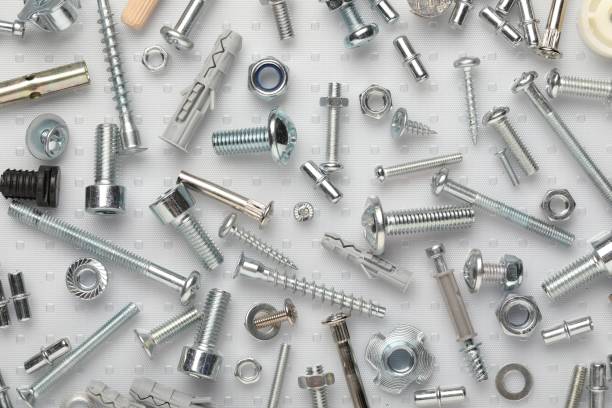
Tiny parts sound easy until you actually try to make them. Then it hits you. Everything is harder. Tools flex, material moves, and tolerances vanish for no clear reason. It’s frustrating, honestly. Somewhere in that mess, the Swiss machining center started getting real attention, not because it was trendy, but because it solved problems people were tired of dealing with. Not perfectly, sure, but better than most options out there. And when you’re dealing with micro and complex components, “better” matters a lot.
Small Parts, Big Problems
Here’s the thing, working small doesn’t just scale things down. It changes the whole game. A setup that works fine for larger components suddenly feels unstable when parts shrink. Even slight vibration becomes a problem. A tool that’s just a bit off can ruin the piece. And you don’t always see it immediately, which is worse. The short answer? You need more control. Not just skilled operators, but machines that are actually built for this level of detail. Otherwise, you’re just fighting the process the whole time.
Guide Bushing: Yeah, It Actually Matters
People talk about speed and automation, but don’t always mention the guide bushing. It’s not flashy, but it’s kind of the backbone of a Swiss machining center. It supports the material right where the cutting happens. Close, tight, controlled. That alone cuts down deflection a lot. And if you’ve ever tried machining long, thin parts without that support… yeah, it’s not fun. Things bend, chatter kicks in, tolerances drift. So while it sounds like a small detail, it’s doing a lot of heavy lifting behind the scenes.
Handling Complex Geometry Without Losing Your Mind
Modern parts are weird. Not in a bad way, just… complicated. Tiny grooves, angled holes, threads in awkward spots. All packed into something small. A Swiss machining center handles that in one go, most of the time. That’s the real advantage. You’re not constantly moving parts between machines, hoping everything lines up again. Because let’s be honest, it usually doesn’t line up perfectly. One setup. Less guesswork. Fewer headaches. It’s not magic, but it feels close some days.
Where Swiss Machining Shows Its Strength
This is where Swiss machining really proves itself. Not in theory, but out in the real world where parts actually matter. Medical components are a big one. Implants, tiny screws, surgical tools. These things can’t fail. Not even slightly. Aerospace too. High stress, tight tolerances, zero tolerance for mistakes. Same story. Even electronics, small connectors and precision parts that need to fit exactly right. No wiggle room. So yeah, it’s not just about capability. It’s about reliability when things get serious.
Efficiency That Feels Different
People hear “efficient” and think faster cycle times. That’s part of it, sure, but it’s not the whole picture. A Swiss machining center cuts down on extra steps. Less repositioning. Fewer secondary operations. That adds up. And once it’s running smoothly, it kind of just… keeps going. You’re not stopping every few minutes to tweak something. There’s automation in there, too, but it’s not about replacing people. It’s about reducing the constant interruptions that slow everything down.
Tolerances Stay Where They Should (Mostly)
Holding tight tolerances on tiny parts is tough. That’s just reality. Heat builds up. Tools wear down. Machines shift slightly over time. It happens. But Swiss machines are designed to reduce those issues. The way they hold and guide the material makes a difference. Less movement, less variation. Is it perfect? No. Nothing is. But it’s more stable than most setups, and that counts for a lot when you’re running production.
Material Flexibility: Underrated but Important
Not every job uses the same material. One day it’s stainless steel, next day something tougher, maybe even a tricky alloy. Some machines struggle when you switch things up. Performance drops, adjustments pile up. A Swiss machining center handles different materials better than you’d expect. It’s not effortless, but it doesn’t fall apart either. That kind of flexibility saves time. And honestly, it saves a bit of stress too.
Consistency Over Long Runs
Making one good part is easy enough. Making thousands that are the same? That’s where things get interesting. Consistency is where Swiss machines really stand out. Once everything is dialed in, the process holds steady. You’re not constantly chasing small errors or making adjustments every few batches. It just stays… consistent. And in production, that’s what you want. No surprises. Just steady output you can rely on.
Conclusion
So what makes a Swiss machining center essential? It’s not one feature you can point at. It’s how everything works together. Stability, precision, fewer steps, better control, it all adds up. Especially when you’re dealing with parts that don’t allow mistakes. Let’s be real. You could try to do this kind of work on other machines. People have. Sometimes it works. But it’s harder. Slower. More frustrating than it needs to be. At some point, using the right equipment just makes sense. And for micro, complex components… this is one of those times.