Introduction: It Usually Starts With a Problem, Not a Plan
Nobody really wakes up excited to research flood insurance. It’s usually triggered by something. A lender email. A neighbor dealing with water damage. Or maybe a storm that felt a little too close for comfort. Somewhere in that moment, people start searching for the best flood insurance companies in Florida, hoping there’s a simple answer waiting. One list. One choice. Done.
Let’s be real though. It’s not that clean.
Florida’s flood insurance market is… messy. A mix of federal programs, private carriers, different rules, different pricing models. And honestly, a lot of confusion baked into the whole thing. So instead of pretending there’s a perfect company out there, it’s better to understand how this all actually works. That’s where real decisions come from.
Why Flood Insurance in Florida Feels So Complicated
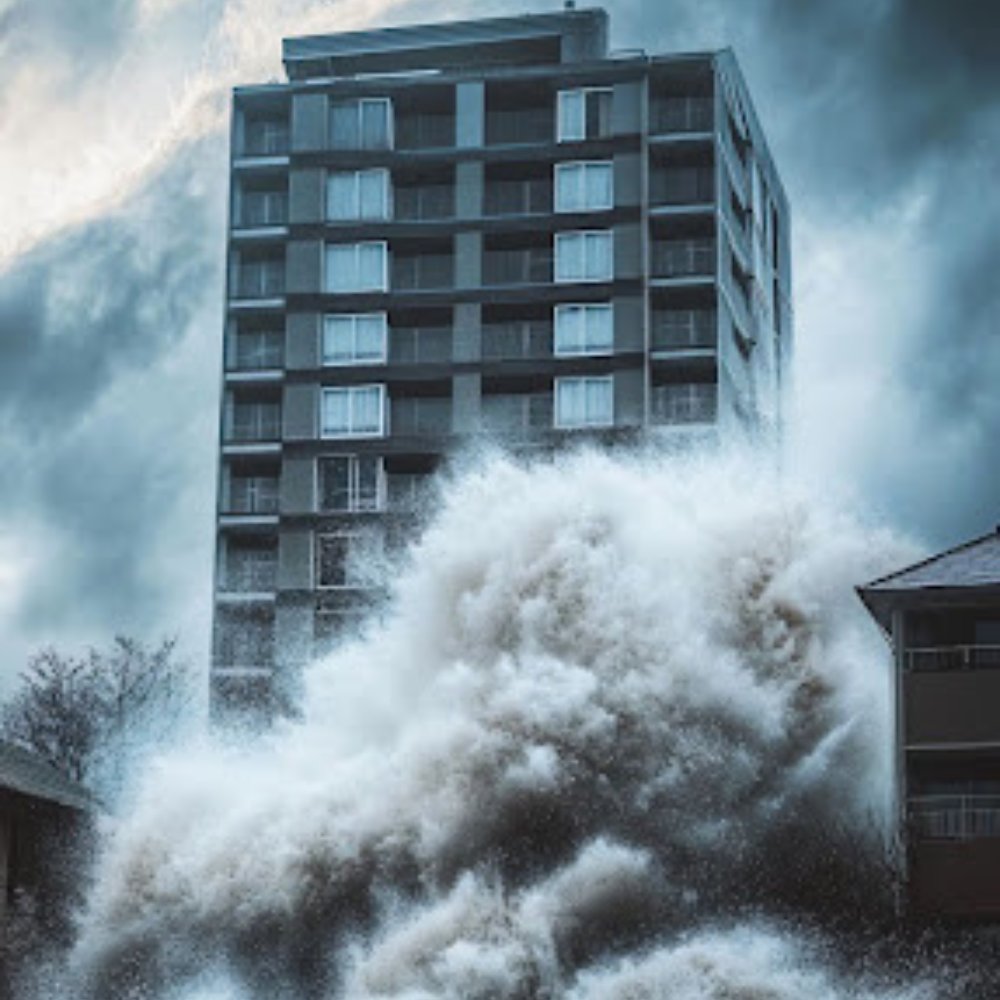
Florida isn’t just another state when it comes to flooding. You’ve got hurricanes, storm surge, heavy rain, rising sea levels—sometimes all in one season. Standard homeowners insurance? Doesn’t cover flood damage. That catches people off guard more often than you’d think.
Then comes the choice. Do you go with the National Flood Insurance Program (NFIP)? Or look at private insurers?
Here’s the short answer. NFIP is predictable but limited. Private insurance can be more flexible, sometimes cheaper, sometimes not. And yeah, sometimes confusing.
The tricky part is, what works for one homeowner might be a bad fit for another. Location matters. Elevation matters. Even the structure of your home plays a role.
Breaking Down Your Options (Without the Sales Pitch)
Most people start with NFIP because it’s backed by the government. It’s widely available. Lenders accept it. Easy enough.
But it has limits. Coverage caps. Less flexibility. And premiums that don’t always feel fair, especially after recent pricing changes.
Private insurers, on the other hand, have stepped in to fill those gaps. Some offer higher coverage limits. Some include additional living expenses. Some even price policies more competitively if your property risk looks favorable.
But—and this is important—not all private policies are created equal. Terms vary. A lot.
That’s why comparing policies matters more than just picking a name off a “top companies” list.
What “Best” Actually Means (Hint: It’s Not the Same for Everyone)
People throw around phrases like “top providers” or “best companies,” but what does that even mean in this context?
For some, it’s price. Straight up. Lowest premium wins.
For others, its coverage. They want higher limits, fewer exclusions, more protection overall.
Then there’s claims handling. Which, honestly, doesn’t get enough attention until it’s too late. A cheap policy doesn’t feel so great if the claims process drags on forever.
So yeah, “best” is relative. Depends on what you value. Depends on your risk tolerance too.
Where Most People Get It Wrong
A lot of homeowners make the same mistake. They focus only on cost.
Look, saving money matters. No question. But choosing flood insurance purely based on the lowest premium can backfire. Big time.
Some policies look cheap because they cover less. Higher deductibles. More exclusions. Lower limits. You don’t always see it upfront.
Another common issue? Waiting too long. Flood insurance policies often come with waiting periods. You can’t just buy coverage the day before a storm and expect it to kick in.
It doesn’t work like that.
Understanding Coverage Details (Yeah, It’s Boring—but Necessary)
Here’s where things get a little dry, but stick with it.
Flood insurance typically covers two main areas: the structure of your home and your personal belongings. Sounds simple. But the details matter.
For example, basements are treated differently. So are things like HVAC systems, electrical panels, flooring types. Some items might be partially covered. Some not at all.
Private policies sometimes offer broader protection here. But again, not always.
Reading the policy—actually reading it—is one of the smartest things you can do. Most people skip this. And regret it later.
Midway Reality Check: What You Really Need
At this point, if you’re still trying to find the best flood insurance in Florida, take a step back.
Ask yourself a few things:
- How much risk am I actually exposed to?
- Can I afford to rebuild out of pocket?
- What would a worst-case scenario look like for me?
Not fun questions. But necessary ones.
Because the right policy isn’t about checking a box. It’s about covering the gaps that would hurt you the most.
The Role of Independent Agents (And Why They Matter More Than You Think)
This part gets overlooked a lot.
Working with someone who understands both NFIP and private markets can make a real difference. Not because they “sell” you something, but because they help you compare options that aren’t always easy to find on your own.
They can explain why one policy costs more. Or why another seems cheaper. Or what’s missing in the fine print.
That kind of context? It’s valuable.
Especially in a state like Florida, where flood risk isn’t hypothetical—it’s real, and it shows up fast.
Final Thoughts: There’s No Perfect Policy, Just a Smart One
So yeah, circling back to the original search for best flood insurance companies in florida the truth is, there’s no universal winner.
There are solid options. Good providers. Bad fits too.
What matters is finding a policy that lines up with your specific situation. Your home. Your budget. Your risk level.
And if you’re still hunting for the best flood insurance Florida, don’t rush it. Compare. Ask questions. Read the details, even the boring parts.
Because when water shows up where it shouldn’t, that’s not the moment you want surprises.
Better to figure it out now. Messy, imperfect, but real.