Cloud apps run a large part of the digital world today. People store files, edit photos, and run tools through the internet every day. Yet a big change is starting now. Modern computers with built-in AI power can handle many of these tasks without sending data to distant servers.
Research from IDC shows that more than 60 percent of new personal computers shipped by 2027 will include AI acceleration hardware.
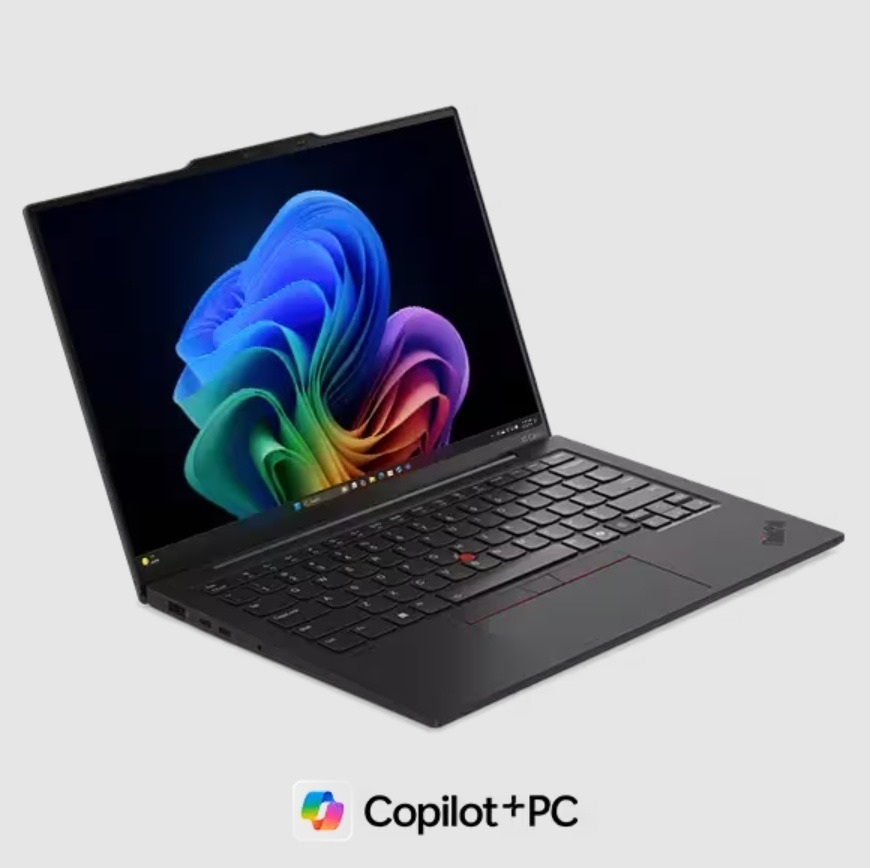
This change means a new type of computer can process data locally with strong machine learning models. An AI desktop PC works with neural processing units and advanced CPUs that run AI models directly on the device. This shift gives faster response, stronger privacy, and better control.
Many users now ask a clear question. Can a local AI system replace cloud apps? The answer is yes in many cases. Let us explore six powerful ways this technology makes it possible.
1. Real-Time Data Processing Without Internet
Cloud apps depend on remote servers. A device sends data to the cloud. The cloud processes the data. Then it sends results back to the user. This process works well, yet it adds delay. An AI desktop PC changes this flow, and the system runs AI inference locally with hardware like a neural processing unit. This unit handles matrix operations and tensor calculations at high speed.
Local AI processing offers strong advantages.
- The system runs tasks instantly.
- The computer does not wait for a network response.
- The device keeps sensitive data on the machine.
- The workflow continues even during network issues.
Speech recognition shows this clearly. Local AI models now convert speech to text directly on the device. The system uses deep learning models trained with neural networks. This means voice commands work fast without cloud calls.
Edge AI processing helps many tools, like translation, transcription and automation, run directly on the machine.
2. Private AI Workflows That Protect Sensitive Data
Data privacy becomes a major concern in cloud services. Many cloud apps store user files on remote infrastructure. Companies use encryption, yet users still depend on external storage. An AI PC shifts AI workflows to the local environment. The device runs machine learning models inside the operating system. Data never leaves the device.
This approach supports secure workflows.
- Local encryption protects user files.
- AI models analyze documents locally.
- Sensitive business data stays on the device.
- Organizations reduce exposure risk.
Local Model Execution Improves Security
Modern AI PCs run compressed AI models using techniques such as quantization and model pruning. These methods reduce model size yet maintain accuracy. The neural processing unit efficiently executes inference tasks. Document analysis tools, image recognition engines, and coding assistants can run entirely on the system.
3. Faster Creative Tools With Local AI Acceleration
Creative applications rely heavily on cloud AI tools today. Photo editing, video enhancement, and design automation often use cloud computing resources. However, modern hardware allows many of these tasks to run locally. An AI desktop PC uses GPU acceleration and AI cores to process media content faster.
Local AI creative workflows include:
- Image upscaling through super-resolution models.
- Video frame interpolation using deep learning.
- Object detection in photo editing tools.
- Real-time background removal.
Neural Engines Power Local Media Intelligence
Neural engines inside modern processors handle complex operations such as convolution and feature extraction. These operations drive computer vision models. When these models run locally, the editing process becomes faster. Users see results instantly. They do not upload large files to the cloud.
4. Offline Productivity Tools With Built-In AI
Cloud apps dominate productivity tasks like writing coding and scheduling. Yet local AI tools now provide similar intelligence. An AI PC can run lightweight language models locally. These models assist with writing summaries document analysis and code generation.
Local productivity AI offers clear benefits.
- Smart writing suggestions work offline.
- AI-based grammar correction runs locally.
- Code completion works without internet.
- Document search uses semantic AI indexing.
Local large language models use optimized inference engines. These engines rely on tensor acceleration and memory optimization. The system processes natural language tasks quickly. Workers gain AI support even when internet access becomes limited.
5. Smart Automation Through Local AI Agents
Automation stands as one of the strongest uses of AI. Many cloud services offer automation tools. Yet local systems now support intelligent agents that operate directly on the machine. An AI PC can run automation agents that observe system events. The agent analyzes user actions and triggers tasks automatically.
Examples of local automation include:
- Smart file organization using AI classification.
- Automated email sorting through language models.
- Task scheduling based on behavioral patterns.
- Context-aware system recommendations.
These agents rely on reinforcement learning and event-driven architectures. The AI monitors workflows and improves its response over time. Since all operations happen locally, the system responds faster and protects user activity data.
6. Edge AI Collaboration With Reduced Cloud Dependence
Local AI does not eliminate cloud computing entirely. Instead it reduces unnecessary dependence on remote services. An AI desktop PC performs most AI inference tasks locally. The cloud then handles only large scale training or heavy computation.
This hybrid architecture offers balance.
- Local device processes daily AI tasks.
- Cloud handles large model updates.
- Edge systems synchronize insights.
- Data transfer reduces dramatically.
Edge AI improves scalability across devices. Companies deploy models across many systems. Each system processes its own data locally. This structure reduces bandwidth consumption and improves performance across distributed environments.
Conclusion
Artificial intelligence now moves from remote servers to personal machines. This shift changes how people interact with software. Cloud platforms still play an important role. Yet local intelligence grows stronger every year.
An AI desktop PC brings machine learning power directly to the user. Neural processing units run models locally. GPUs accelerate media tasks. Optimized language models support writing coding and analysis. Automation agents improve productivity and edge AI reduces network reliance.
The future of personal computing will not rely only on distant data centers. Instead powerful AI systems will live inside everyday computers. This transformation places intelligence directly in the hands of the user and reshapes how software works across the digital world.