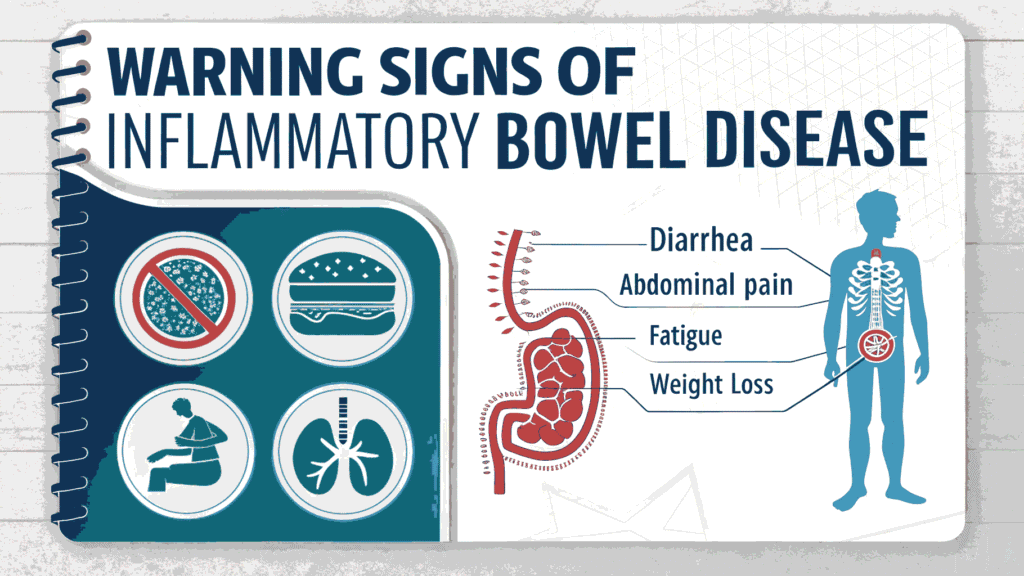
What Are the Warning Signs of IBD?
Inflammatory Bowel Disease (IBD) is a chronic condition that affects millions of people worldwide, yet many individuals remain unaware of its early warning signs. Recognizing the symptoms early can help in timely diagnosis, effective treatment, and better long-term management. In this blog, we will explore what IBD is, its types, and most importantly, the warning signs you should never ignore.
What is IBD?
Inflammatory Bowel Disease (IBD) refers to a group of disorders that cause chronic inflammation in the digestive tract. The two main types of IBD are:
- Crohn’s Disease – Can affect any part of the gastrointestinal tract, from the mouth to the anus.
- Ulcerative Colitis – Primarily affects the colon (large intestine) and rectum.
Both conditions can lead to severe complications if left untreated, making early detection extremely important.
Why Recognizing Warning Signs Matters
IBD symptoms often start mildly and gradually worsen over time. Many people ignore early symptoms, mistaking them for temporary digestive issues. However, delaying diagnosis can result in complications such as intestinal damage, malnutrition, and increased risk of colon cancer.
Being aware of the warning signs can help you seek medical attention before the condition progresses.
Common Warning Signs of IBD
1. Persistent Diarrhea
One of the most common early symptoms of IBD is ongoing diarrhea.
- Frequent loose stools lasting for weeks
- May occur multiple times a day
- Does not improve with basic medication
2. Abdominal Pain and Cramping
Chronic inflammation in the intestines can lead to persistent abdominal pain.
- Pain may come and go or remain constant
- Often worsens after eating
- Can become severe in advanced stages
3. Blood in Stool
Seeing blood in your stool is a serious warning sign and should never be ignored.
- Bright red blood may indicate inflammation in the lower colon
- Dark stools can suggest bleeding higher in the digestive tract
4. Unexplained Weight Loss
Losing weight without trying can be linked to IBD.
- Poor absorption of nutrients
- Reduced appetite
- Increased inflammation in the body
5. Fatigue and Weakness
IBD can cause ongoing tiredness due to inflammation and nutrient deficiencies.
- Low energy levels
- Difficulty performing daily activities
- Often associated with anemia
6. Urgency to Use the Bathroom
A sudden and urgent need to pass stool is another common symptom.
- Difficulty controlling bowel movements
- Frequent bathroom visits
- Feeling of incomplete evacuation
7. Fever and Inflammation
Low-grade fever can occur during IBD flare-ups.
- Indicates active inflammation
- May come with chills or sweating
8. Loss of Appetite
People with IBD often experience a reduced desire to eat.
- Fear of discomfort after meals
- Digestive uneasiness
- Nausea
9. Anemia
Chronic blood loss and poor nutrient absorption can lead to anemia.
- Weakness
- Pale skin
- Dizziness
- Shortness of breath
10. Symptoms Beyond the Gut
IBD can affect other parts of the body as well.
- Joint pain
- Skin issues
- Eye inflammation
- Liver-related problems
When Should You See a Doctor?
You should consult a healthcare professional if you notice:
- Diarrhea lasting more than 2–3 weeks
- Blood in stool
- Severe abdominal pain
- Unexplained weight loss
- Persistent fatigue
If you are experiencing these symptoms, consulting the Best Gastroenterologist in Vaishali can help in early diagnosis and effective management of the condition.
Risk Factors for IBD
Several factors may increase your chances of developing IBD:
- Family history
- Immune system dysfunction
- Smoking and lifestyle habits
- Younger age (commonly diagnosed before 30)
Complications of Untreated IBD
Ignoring IBD symptoms can lead to serious complications such as:
- Intestinal blockage
- Chronic ulcers and bleeding
- Increased risk of colon cancer
- Malnutrition
- Fistulas
Diagnosis of IBD
Doctors use multiple tests to confirm IBD:
- Blood and stool tests
- Colonoscopy
- CT scan or MRI
Early diagnosis plays a key role in preventing complications and improving outcomes.
Treatment Options
Although IBD does not have a permanent cure, it can be managed effectively:
- Anti-inflammatory medications
- Immune system suppressors
- Dietary changes
- Stress management
- Surgery in severe cases
For personalized care and advanced treatment, it is advisable to consult the Best Gastroenterologist in Vaishali, who can create a tailored treatment plan based on your condition.
Tips to Manage IBD
- Eat smaller, frequent meals
- Avoid trigger foods
- Stay hydrated
- Reduce stress through yoga or meditation
- Follow medical advice consistently
Conclusion
Inflammatory Bowel Disease is a long-term condition that requires attention and proper care. Recognizing warning signs such as persistent diarrhea, abdominal pain, blood in stool, fatigue, and weight loss can make a significant difference in early diagnosis.
If you suspect any symptoms, do not ignore them. Seeking timely guidance from the Best Gastroenterologist in Vaishali can help you manage the condition effectively and improve your quality of life.
Taking proactive steps today can protect your digestive health for the future.