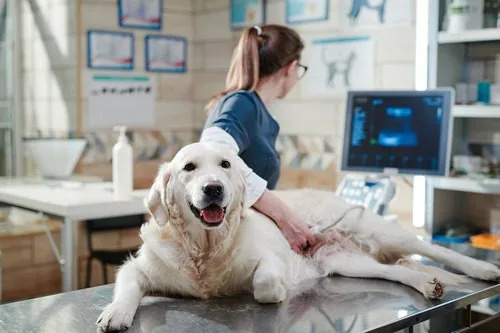
Pet ultrasound
Ensuring your pet’s health requires accurate and timely diagnosis, and modern veterinary medicine offers advanced tools to achieve this. One of the most reliable and non-invasive diagnostic methods is pet ultrasound. This imaging technique allows veterinarians to examine internal organs, detect abnormalities, and monitor ongoing conditions without causing pain or discomfort.
Pet ultrasound is widely used for identifying issues related to the heart, liver, kidneys, and reproductive system. It provides real-time images, helping professionals make quick and informed decisions. Understanding how this diagnostic tool works can help pet owners feel more confident about their pet’s medical care.
Understanding Pet Ultrasound and Its Importance
Pet ultrasound is a crucial diagnostic tool that uses sound waves to create detailed images of a pet’s internal organs. Unlike X-rays, it does not involve radiation, making it a safer option for repeated use. This method is particularly helpful in diagnosing soft tissue conditions, which are not easily visible through other imaging techniques. With its ability to provide real-time results, pet ultrasound helps veterinarians detect problems early and begin treatment promptly. It is an essential part of modern veterinary care, offering both safety and effectiveness for pets of all ages.
How Pet Ultrasound Works
Pet ultrasound works by sending high-frequency sound waves into the body, which bounce back to create images of internal structures. A handheld device called a transducer is used to capture these sound waves and convert them into visual images on a screen. This allows veterinarians to observe organs such as the liver, kidneys, and bladder in real time.
The procedure is painless and usually does not require sedation unless the pet is anxious or uncooperative. The clarity of the images helps in identifying abnormalities such as tumors, cysts, or fluid buildup. This makes pet ultrasound an essential tool for accurate and non-invasive diagnosis.
Benefits of Pet Ultrasound
One of the main advantages of pet ultrasound is its safety. Since it does not use radiation, it can be performed multiple times without harming the pet. This is particularly useful for monitoring chronic conditions or tracking recovery after treatment.
Another benefit is the ability to obtain real-time results. Veterinarians can immediately assess the pet’s condition and make informed decisions about treatment. This reduces waiting time and allows for quicker intervention, improving the chances of successful recovery.
When Is Pet Ultrasound Needed?
Pet ultrasound is recommended when pets show symptoms such as vomiting, abdominal pain, weight loss, or difficulty urinating. It is also used during pregnancy to monitor the health and development of unborn animals. Early diagnosis through ultrasound can prevent serious complications.
Additionally, routine check-ups for older pets may include ultrasound to detect hidden issues. This proactive approach helps maintain long-term health and ensures that any potential problems are addressed before they become severe.
Preparing for and Understanding the Procedure
Proper preparation and understanding of the pet ultrasound procedure can help pet owners feel more at ease. Veterinarians provide specific instructions before the scan, such as fasting or limiting water intake, to ensure accurate results. The process is designed to be stress-free and comfortable for pets. Knowing what to expect before, during, and after the procedure helps owners support their pets and ensures a smooth diagnostic experience.
Preparing Your Pet for Ultrasound
Before a pet ultrasound, veterinarians may ask owners to withhold food for several hours. This helps improve the clarity of the images by reducing interference from food in the stomach. In some cases, the pet’s fur may be shaved in the examination area to allow better contact with the ultrasound device.
Keeping your pet calm and relaxed before the appointment is also important. A stress-free pet is easier to examine, ensuring more accurate results. Following the veterinarian’s instructions carefully helps make the procedure smooth and effective.
What Happens During the Procedure
During the pet ultrasound procedure, the pet is placed on a comfortable examination table. A special gel is applied to the skin to help the transducer move smoothly and capture clear images. The veterinarian then gently moves the device over the targeted area to observe internal organs.
The process usually takes between 15 to 30 minutes, depending on the complexity of the case. Pets generally remain calm, and the procedure is completely painless. This makes pet ultrasound a preferred diagnostic method for both veterinarians and pet owners.
Aftercare and Results
After the pet ultrasound, most pets can return to their normal activities immediately. There is no recovery time required, as the procedure is non-invasive and does not cause discomfort. In some cases, the veterinarian may discuss the results right away or schedule a follow-up consultation.
Based on the findings, a treatment plan may be recommended to address any detected issues. Regular monitoring through pet ultrasound may also be advised for ongoing conditions. This ensures that pets receive continuous care and maintain good health over time.
Final Thoughts
Pet ultrasound is a safe, reliable, and effective diagnostic tool that plays a vital role in modern veterinary care. It allows for early detection of health issues, reduces the need for invasive procedures, and provides real-time insights into a pet’s condition. southwestanimalhospital.com By understanding its benefits and process, pet owners can make informed decisions and ensure the best care for their beloved animals.