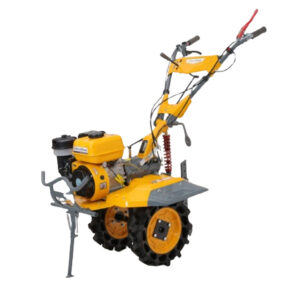
The global specialty vehicle market has emerged as a critical segment within the broader automotive industry, driven by increasing demand for customized vehicles designed for specific applications. Specialty vehicles are purpose-built automobiles tailored to meet unique operational requirements across sectors such as healthcare, defense, construction, mining, emergency services, and logistics. These vehicles include ambulances, fire trucks, recreational vehicles (RVs), military vehicles, mobile cranes, and utility vehicles, among others.
According to recent market analysis, the global specialty vehicle market size was valued at USD 101.12 billion in 2023 and is projected to grow from USD 104.00 billion in 2024 to USD 131.35 billion by 2031, exhibiting a CAGR of 3.39% during the forecast period. The steady growth trajectory is supported by technological advancements, infrastructure development, and the rising need for operational efficiency across industries.
Market Overview
Specialty vehicles differ significantly from conventional passenger or commercial vehicles due to their unique design, engineering, and functionality. These vehicles are often customized with specialized equipment, enhanced durability, and advanced safety features to perform specific tasks under challenging conditions.
The market encompasses a wide range of vehicle types, including:
- Emergency response vehicles (ambulances, fire trucks)
- Construction and mining vehicles
- Recreational vehicles (RVs)
- Military and defense vehicles
- Utility and service vehicles
- Agricultural specialty vehicles
The increasing complexity of industrial operations and the need for efficiency have accelerated the adoption of specialty vehicles worldwide.
Key Market Drivers
1. Advancements in Electric and Autonomous Technologies
One of the most significant factors driving the specialty vehicle market is the rapid advancement in electric and autonomous vehicle technologies. Electrification is transforming the industry by reducing carbon emissions, lowering operational costs, and improving energy efficiency.
Electric specialty vehicles, such as electric ambulances, utility trucks, and mining vehicles, are gaining traction due to stricter environmental regulations and sustainability goals. Additionally, autonomous technologies are enhancing safety and productivity, particularly in sectors like mining, logistics, and defense.
Autonomous specialty vehicles can operate in hazardous environments, reducing human risk and increasing operational efficiency. For example, self-driving mining trucks can function continuously with minimal human intervention, significantly boosting productivity.
2. Growing Demand from Emergency Services
The increasing need for efficient emergency response systems is another major driver of the specialty vehicle market. Governments and private organizations are investing heavily in upgrading their emergency fleets, including ambulances, fire trucks, and disaster response vehicles.
Modern emergency vehicles are equipped with advanced medical equipment, communication systems, and navigation technologies, enabling faster and more effective responses. The rising frequency of natural disasters and urban emergencies has further accelerated demand.
3. Expansion of Infrastructure and Construction Activities
Rapid urbanization and infrastructure development, particularly in emerging economies, are fueling the demand for specialty construction vehicles. Equipment such as mobile cranes, concrete mixers, and heavy-duty trucks play a vital role in large-scale construction projects.
Governments across the globe are investing in smart city initiatives, transportation networks, and industrial infrastructure, which is expected to drive sustained demand for specialty vehicles in the coming years.
4. Rising Defense Expenditure
The defense sector remains a significant contributor to the specialty vehicle market. Military vehicles, including armored personnel carriers, tactical trucks, and combat vehicles, are essential for national security operations.
Increasing geopolitical tensions and defense modernization programs are prompting countries to invest in advanced military vehicles equipped with cutting-edge technologies such as surveillance systems, AI-based navigation, and enhanced armor protection.
5. Growth in Logistics and E-commerce
The rapid expansion of the e-commerce industry has created a surge in demand for specialized logistics and delivery vehicles. Last-mile delivery vehicles, refrigerated trucks, and mobile service units are becoming increasingly important for efficient supply chain operations.
Specialty vehicles designed for urban logistics are being developed with features such as compact design, electric propulsion, and smart routing systems to meet the evolving needs of the industry.
Market Challenges
Despite its steady growth, the specialty vehicle market faces several challenges:
High Initial Costs
Specialty vehicles are often expensive due to their customized design and advanced features. This can limit adoption, particularly among small and medium-sized enterprises.
Complex Manufacturing Processes
The production of specialty vehicles requires specialized engineering, materials, and expertise, which can lead to longer production cycles and higher costs.
Regulatory Compliance
Strict regulations related to safety, emissions, and performance can pose challenges for manufacturers, especially when entering new markets.
Maintenance and Operational Costs
Specialty vehicles often require specialized maintenance and skilled operators, adding to the overall cost of ownership.
Market Segmentation
By Vehicle Type
- Emergency Vehicles
- Recreational Vehicles
- Military Vehicles
- Construction and Mining Vehicles
- Utility Vehicles
Among these, emergency and construction vehicles hold a significant share due to their essential role in public safety and infrastructure development.
By Propulsion Type
- Internal Combustion Engine (ICE)
- Electric Vehicles (EVs)
- Hybrid Vehicles
The electric segment is expected to witness the fastest growth during the forecast period, driven by environmental concerns and advancements in battery technology.
By Application
- Healthcare
- Defense
- Construction
- Logistics
- Agriculture
- Mining
The construction and defense sectors dominate the market, while healthcare and logistics are emerging as high-growth segments.
Regional Insights
North America
North America holds a significant share of the specialty vehicle market, driven by advanced infrastructure, high defense spending, and strong adoption of new technologies.
Europe
Europe is witnessing steady growth due to strict environmental regulations and the increasing adoption of electric specialty vehicles.
Asia-Pacific
The Asia-Pacific region is expected to register the fastest growth during the forecast period. Rapid urbanization, industrialization, and infrastructure development in countries like China and India are key growth drivers.
Latin America and Middle East & Africa
These regions are experiencing moderate growth, supported by investments in infrastructure and mining activities.
Competitive Landscape
The specialty vehicle market is highly competitive, with key players focusing on innovation, customization, and strategic partnerships. Companies are investing in research and development to introduce advanced technologies and improve vehicle performance.
Key strategies adopted by market players include:
- Product innovation and customization
- Mergers and acquisitions
- Expansion into emerging markets
- Development of electric and autonomous vehicles
Emerging Trends
1. Electrification of Specialty Vehicles
The shift toward electric vehicles is one of the most prominent trends in the market. Electric specialty vehicles offer lower emissions, reduced noise, and lower operating costs, making them ideal for urban applications.
2. Integration of Smart Technologies
The adoption of IoT, AI, and telematics is transforming specialty vehicles into smart systems capable of real-time monitoring, predictive maintenance, and optimized performance.
3. Modular Vehicle Design
Manufacturers are increasingly adopting modular designs that allow for easy customization and scalability, reducing production time and costs.
4. Sustainability and Green Initiatives
Environmental concerns are driving the development of eco-friendly vehicles, including hydrogen-powered and hybrid specialty vehicles.
5. Autonomous Operations
Autonomous specialty vehicles are gaining popularity in industries such as mining, agriculture, and logistics, where they can operate in controlled environments with minimal human intervention.
Future Outlook
The specialty vehicle market is expected to witness steady growth over the next decade, driven by technological advancements, increasing demand for customized solutions, and expanding industrial applications.
The integration of electric and autonomous technologies will play a crucial role in shaping the future of the market. As industries continue to evolve, the demand for efficient, safe, and sustainable specialty vehicles will continue to rise.
Additionally, government initiatives aimed at promoting green mobility and infrastructure development will further boost market growth. Emerging economies are expected to offer significant growth opportunities due to their rapid industrialization and urbanization.
Conclusion
The global specialty vehicle market is poised for sustained growth, supported by advancements in technology, increasing demand across various industries, and a strong focus on efficiency and sustainability. With a projected market size of USD 131.35 billion by 2031, the industry presents significant opportunities for manufacturers, investors, and stakeholders.
As electric and autonomous technologies continue to evolve, specialty vehicles will become more intelligent, efficient, and environmentally friendly. Companies that invest in innovation and adaptability will be well-positioned to capitalize on the growing demand and shape the future of this dynamic market.
Browse To Other Article-