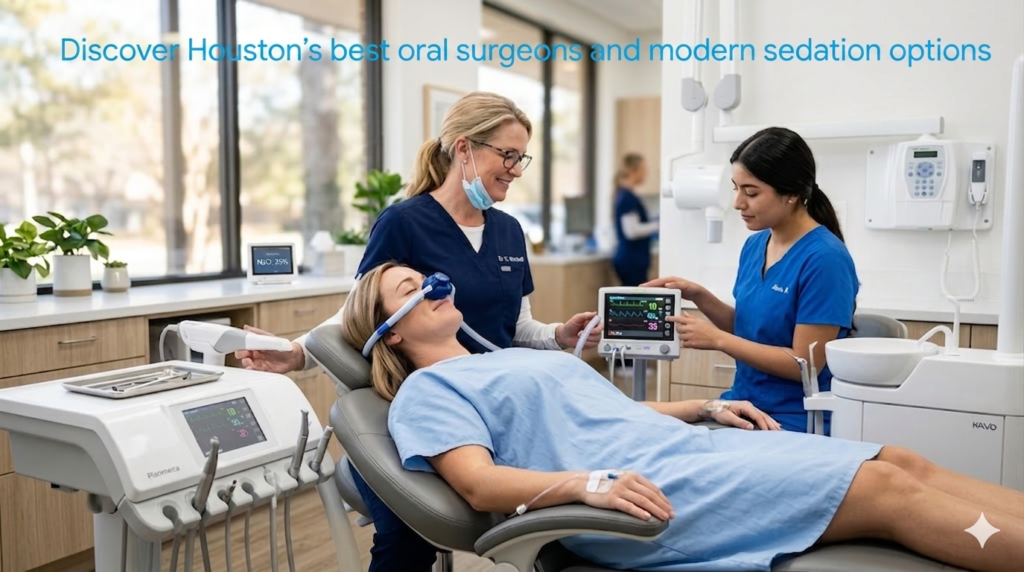
Sedation dentistry helps nervous patients stay comfortable by reducing anxiety, minimizing pain perception, and creating a calm dental experience. It enables individuals with dental fear to receive essential treatments without stress or discomfort. This article explains how sedation dentistry works and why it benefits anxious patients.
What Is Sedation Dentistry and How Does It Work?
Sedation dentistry uses medication to relax patients during dental procedures. Dentists administer sedatives through oral, inhaled, or intravenous methods to promote comfort and reduce fear.
Key Characteristics of Sedation Dentistry
- Reduces anxiety during dental treatments.
- Enhances patient relaxation and cooperation.
- Minimizes pain sensitivity and discomfort.
- Improves procedural efficiency and safety.
- Supports patients with dental phobia or special needs.
Dentists tailor sedation levels based on medical history, treatment complexity, and patient comfort requirements.
Why Do Patients Experience Dental Anxiety?
Patients experience dental anxiety due to psychological, sensory, and experiential triggers. According to the Journal of Dental Hygiene, approximately 50–80% of adults report some level of dental anxiety, while 10–20% avoid dental visits due to severe fear.
Common Causes of Dental Fear
- Fear of pain from past dental procedures.
- Sensitivity to dental instruments and sounds.
- Loss of control during treatment.
- Embarrassment about oral health conditions.
- Traumatic childhood dental experiences.
Sedation dentistry directly addresses these concerns by creating a calm and controlled treatment environment.
What Types of Sedation Dentistry Are Available?
Sedation dentistry includes multiple methods designed to meet varying levels of patient anxiety. Each option offers distinct benefits and levels of relaxation.
Nitrous Oxide (Laughing Gas)
Nitrous oxide provides mild sedation through inhalation. It induces relaxation within minutes and wears off quickly after treatment. Patients remain awake and can resume normal activities shortly afterward.
Oral Conscious Sedation
Oral sedation involves prescribed medication taken before the appointment. It produces moderate relaxation while allowing patients to remain conscious and responsive.
Intravenous (IV) Sedation
IV sedation delivers sedatives directly into the bloodstream for deeper relaxation. Dentists adjust dosage in real time, ensuring precise control and optimal comfort.
Local Anesthesia with Sedation
Local anesthesia numbs the treatment area, while sedation reduces anxiety. This combination ensures a painless and stress-free experience.
Each method aligns with specific treatment needs, patient preferences, and medical considerations.
How Does Sedation Dentistry Improve Patient Comfort?
Sedation dentistry improves patient comfort by relaxing the nervous system and reducing sensory awareness. It allows individuals to undergo procedures with minimal stress.
Benefits for Nervous Patients
- Reduces fear and anxiety during dental visits.
- Minimizes gag reflex and muscle tension.
- Enhances tolerance for lengthy procedures.
- Creates partial or complete memory reduction.
- Encourages consistent oral healthcare habits.
These advantages help patients overcome dental avoidance and maintain long-term oral health.
“Dentistry should be comfortable and stress-free for every patient.” — Anonymous
Who Can Benefit from Sedation Dentistry?
Sedation dentistry benefits a wide range of patients with physical, emotional, or procedural challenges.
Ideal Candidates
- Patients with dental phobia or severe anxiety.
- Individuals with low pain tolerance.
- Patients undergoing complex or lengthy procedures.
- People with sensitive teeth or strong gag reflexes.
- Children or adults with special healthcare needs.
- Individuals requiring multiple treatments in one visit.
Dentists evaluate eligibility through medical history assessments and personalized consultations.
Is Sedation Dentistry Safe?
Sedation dentistry is safe when administered by qualified professionals using modern monitoring techniques. The American Dental Association recognizes sedation as a reliable method when proper guidelines are followed.
Safety Measures Used by Dentists
- Reviewing patient medical histories.
- Monitoring vital signs throughout treatment.
- Adjusting sedation levels as needed.
- Using FDA-approved medications.
- Following strict clinical protocols.
These precautions ensure predictable and secure outcomes for patients.
How Sedation Dentistry Supports Complex Dental Procedures
Sedation dentistry supports complex treatments by enabling dentists to work efficiently while patients remain relaxed. It improves precision and reduces procedural interruptions.
Procedures Commonly Performed with Sedation
- Dental implants.
- Root canal therapy.
- Wisdom teeth extractions.
- Crowns and bridges.
- Periodontal treatments.
- Cosmetic dentistry procedures.
Sedation enables multiple treatments to be completed in a single visit, saving time and reducing stress.
Expert Sedation Dentistry Care at Almond Dental
Almond Dental provides compassionate, patient-centered sedation dentistry for individuals in St. Anthony and Maple Grove, MN. Dr. Prem Kumar focuses on delivering comfortable and advanced dental care tailored to individual needs.
About Dr. Prem Kumar
Dr. Prem Kumar is a dental implant provider and cosmetic dentist with more than 15 years of clinical experience. He earned his dental degree from Jamshoro University and maintains active memberships in leading professional organizations.
Professional Credentials
- Member of the American Academy of Implant Dentistry.
- Member of the Academy of General Dentistry.
- Specialist in implantation and cosmetic dentistry.
Services Offered at Almond Dental
- Dental implants, crowns, and bridges.
- Dentures and gum disease treatment.
- Root canals and wisdom teeth extractions.
- Veneers and teeth whitening.
- Invisalign® and emergency dentistry.
Dr. Kumar provides both traditional and innovative treatment options to ensure optimal patient comfort and oral health. The practice accepts most major dental insurance plans, making high-quality care accessible to a broad patient base.
How Does Sedation Dentistry Encourage Better Oral Health?
Sedation dentistry encourages better oral health by eliminating fear-related barriers to treatment. Patients who feel comfortable are more likely to attend regular dental appointments.
Long-Term Oral Health Benefits
- Promotes consistent preventive care.
- Prevents advanced dental complications.
- Improves treatment compliance.
- Enhances patient satisfaction and trust.
- Supports overall systemic health.
Regular dental visits contribute to reduced risks of gum disease, tooth loss, and oral infections.
What Should Patients Expect Before and After Sedation Dentistry?
Patients should expect a structured and personalized approach before and after sedation dentistry.
Before the Procedure
- Dentists evaluate medical history and anxiety levels.
- Patients receive pre-treatment instructions.
- Sedation methods are selected based on needs.
After the Procedure
- Patients experience minimal discomfort.
- Recovery time varies by sedation type.
- Follow-up care ensures optimal healing and safety.
Clear guidance enhances patient confidence and procedural success.
Why Does Sedation Dentistry Transform the Dental Experience?
Sedation dentistry transforms the dental experience by replacing fear with comfort and confidence. It enables patients to receive essential treatments without emotional distress, ensuring a relaxed and positive journey toward improved oral health.