In today’s wellness industry, spa uniforms do more than simply dress a team. They shape how clients perceive professionalism, hygiene, and overall experience from the moment they walk in. Whether in day spas, luxury resorts, or medical aesthetic clinics, what therapists wear plays a subtle but important role in building trust. For businesses across Australia, where wellness culture continues to grow, uniforms have become part of the brand identity rather than an afterthought.
The Role of Spa Uniforms in Client Experience
When clients visit a spa, they expect calm, comfort, and professionalism. Spa Uniforms contribute directly to this atmosphere. Clean, well-fitted attire signals attention to detail, which clients often associate with the quality of treatments they will receive.
For example, a massage therapist wearing breathable, neutral-toned attire creates a sense of relaxation before the treatment even begins. On the other hand, inconsistent or poorly maintained clothing can distract from the overall experience. In wellness environments, even small visual cues influence how clients feel.
Uniforms also help clients easily identify staff roles. In larger facilities such as hotel spas or wellness retreats, this clarity improves communication and reduces confusion, especially for first-time visitors.
Fabric Choices and Functionality in Beauty Uniforms
One of the most overlooked aspects of beauty uniforms is fabric selection. Spa professionals often work long hours, performing physically demanding treatments. Their clothing needs to support movement while maintaining a polished appearance.
Common materials used in modern spa wear include:
- Breathable cotton blends for comfort in warm environments
- Stretch fabrics that allow flexibility during treatments
- Moisture-wicking textiles to manage sweat during busy schedules
In Australia’s varied climate, from humid coastal regions to dry inland areas, fabric choice becomes even more important. Lightweight materials help maintain comfort, especially in treatment rooms where temperature and humidity can fluctuate.
Practical features also matter. Pockets for tools, easy-to-clean fabrics, and wrinkle resistance all contribute to daily efficiency. A uniform that looks presentable throughout a full shift reduces the need for frequent adjustments or changes.
Hygiene and Professional Standards
Hygiene is central to the wellness and beauty industry. Clients expect high cleanliness standards, particularly in services involving skin contact such as facials, waxing, or body treatments.
Uniforms support these expectations in several ways:
- Easy-to-wash materials allow for frequent cleaning
- Short or fitted sleeves reduce contamination risks
- Minimal embellishments prevent the buildup of bacteria
In professional spa settings, uniforms are often part of broader hygiene protocols. Staff may change outfits between shifts or use protective layers depending on the treatment. This reinforces a sense of care and safety that clients notice, even if subconsciously.
Style, Branding, and First Impressions
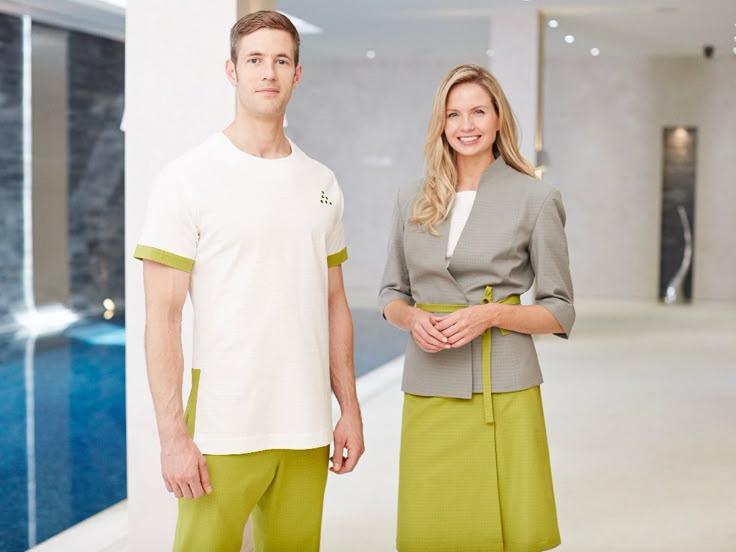
While function is essential, style also plays a role. Spa uniforms contribute to visual branding, helping create a cohesive look across the team. Colours, cuts, and design details often reflect the spa’s identity.
For instance:
- Earth tones and soft neutrals are common in holistic wellness spaces
- Crisp whites or pastels are often used in clinical aesthetic clinics
- Darker shades may be chosen for durability in high-traffic environments
Consistency across staff creates a unified appearance, which strengthens brand recognition. Even small details, like matching trims or subtle logos, can make a difference.
Some Australian brands, including Wash N Wear, have focused on balancing style with practicality. Their approach reflects a broader shift in the industry, where uniforms are designed to look modern while still meeting the demands of daily spa work.
Comfort and Staff Performance
Comfort directly affects how spa professionals perform their roles. Therapists often spend hours standing, bending, or applying pressure during treatments. Restrictive or poorly designed clothing can lead to fatigue and discomfort over time.
Well-designed uniforms support:
- Freedom of movement, especially in massage and body treatments
- Temperature regulation in heated treatment rooms
- Reduced irritation, thanks to soft, skin-friendly fabrics
For example, a beauty therapist performing facials throughout the day benefits from lightweight attire that allows easy arm movement. Similarly, spa reception staff may require more structured uniforms that remain comfortable during long periods of standing.
When staff feel comfortable, they are more likely to focus fully on their work, which ultimately improves client satisfaction.
Sustainability Trends in Spa and Beauty Uniforms
Sustainability has become an important consideration across many industries, including wellness and beauty. More businesses in Australia are paying attention to how uniforms are produced and maintained.
Key trends include:
- Eco-friendly fabrics, such as organic cotton or recycled materials
- Durable designs that reduce the need for frequent replacements
- Ethical manufacturing practices
Spas that prioritise sustainability often extend these values to their uniforms. This aligns with client expectations, especially among environmentally conscious consumers who prefer businesses that reflect their values.
Uniform longevity also plays a role. High-quality garments that withstand regular washing reduce waste and long-term costs. This practical benefit makes sustainable options increasingly appealing.
Choosing the Right Uniform for Different Spa Roles
Not all spa roles require the same type of uniform. Each position comes with unique demands, and clothing should reflect those needs.
- Massage therapists typically require flexible, stretchable outfits
- Beauty therapists benefit from practical designs with accessible pockets
- Reception staff often wear more structured, formal attire
- Spa managers may opt for slightly elevated styles that balance professionalism with comfort
For example, in a busy urban spa in Sydney or Melbourne, staff may need uniforms that transition easily between different tasks. In contrast, a luxury resort spa might prioritise aesthetics and branding more heavily.
Understanding these differences helps businesses select uniforms that support both functionality and presentation.
The Subtle Impact on Business Reputation
Although uniforms may seem like a small detail, they contribute to a broader perception of quality. Clients often judge a spa based on visual cues before they experience any treatments.
A well-dressed team suggests:
- Attention to detail
- Consistent standards
- Professional training
Over time, these impressions shape how clients remember and recommend a business. In competitive markets across Australia, where many spas offer similar services, these subtle factors can influence customer loyalty.
Conclusion
Spa environments are built on trust, comfort, and attention to detail. Spa uniforms play a quiet but meaningful role in supporting these elements. From fabric choice and hygiene to branding and staff comfort, every aspect of uniform design contributes to the overall experience.
As the wellness industry continues to evolve, businesses are placing greater emphasis on thoughtful, functional attire. By understanding the practical and visual impact of beauty uniforms, spa owners and professionals can make informed decisions that align with both client expectations and workplace needs.