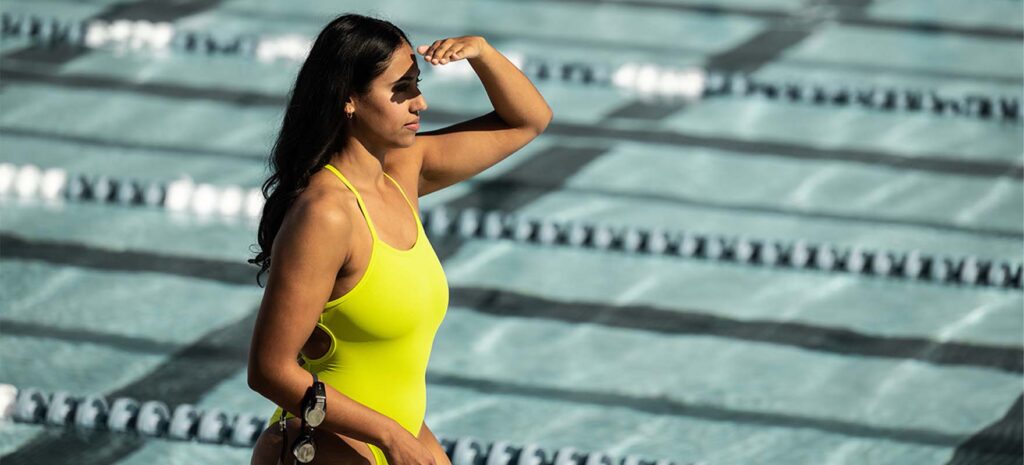
swim training program
Swimming technique affects how smoothly and efficiently a person moves through water. Even small errors in form can lead to extra effort and slower progress. Regular practice helps correct these issues over time. A swim training program provides a clear routine that allows swimmers to focus on specific skills, repeat key movements, and improve steadily with each session.
Building Muscle Memory Through Repetition
Consistent practice helps the body learn and remember correct movements. When swimmers repeat the same drills, their muscles begin to perform these actions with less effort. This reduces the need to think about every step while swimming. Over time, movements become smoother and more controlled. As a result, swimmers make fewer mistakes and maintain better form throughout their sessions.
Refining Stroke Mechanics
Regular training helps swimmers improve different parts of their stroke in a focused way. Breaking down each movement allows for better control and correction.
- Arm Movement: Proper hand entry and pull improve forward motion and reduce resistance.
- Kick Control: A steady kick supports balance and keeps the body aligned.
- Body Alignment: Keeping the body straight helps reduce drag in the water.
- Stroke Timing: Coordinated movements between arms and legs improve overall flow.
These small improvements work together to make each stroke more efficient and controlled.
Improving Breathing Control and Rhythm
Breathing becomes easier with consistent practice. Swimmers learn to match their breathing to their stroke, improving timing and reducing strain. A steady breathing pattern helps maintain energy during longer sessions. Over time, better control allows swimmers to stay relaxed in the water and avoid rapid fatigue, supporting more consistent performance.
Strengthening Body Position in Water
Maintaining the right position in water helps swimmers move with less effort. Regular sessions improve balance and control, which supports better movement.
- Core Stability: A strong core helps keep the body level and steady.
- Reduced Drag: Proper positioning lowers resistance and improves speed.
- Better Balance: Staying aligned prevents unnecessary side movements.
With consistent training, swimmers learn how to hold a stable position and move more smoothly through the water.
Tracking Progress and Making Adjustments
Consistent sessions make it easier to notice changes and improve technique over time. Swimmers can focus on specific areas and adjust their approach based on performance.
- Identify Weak Areas: Regular practice highlights parts of the technique that need attention.
- Apply Corrections: Small changes can be tested and improved over time.
- Measure Progress: Tracking performance helps maintain steady improvement.
- Guided Routine: A swim training program keeps training focused and organized.
This approach helps swimmers improve step by step without feeling overwhelmed.
Conclusion
Consistent practice plays an important role in improving swimming technique. It helps build better movement, breathing control, and body position over time. A clear routine allows swimmers to focus on one area at a time and improve gradually. With regular effort, swimmers can develop stronger skills and move through water with greater ease and control.