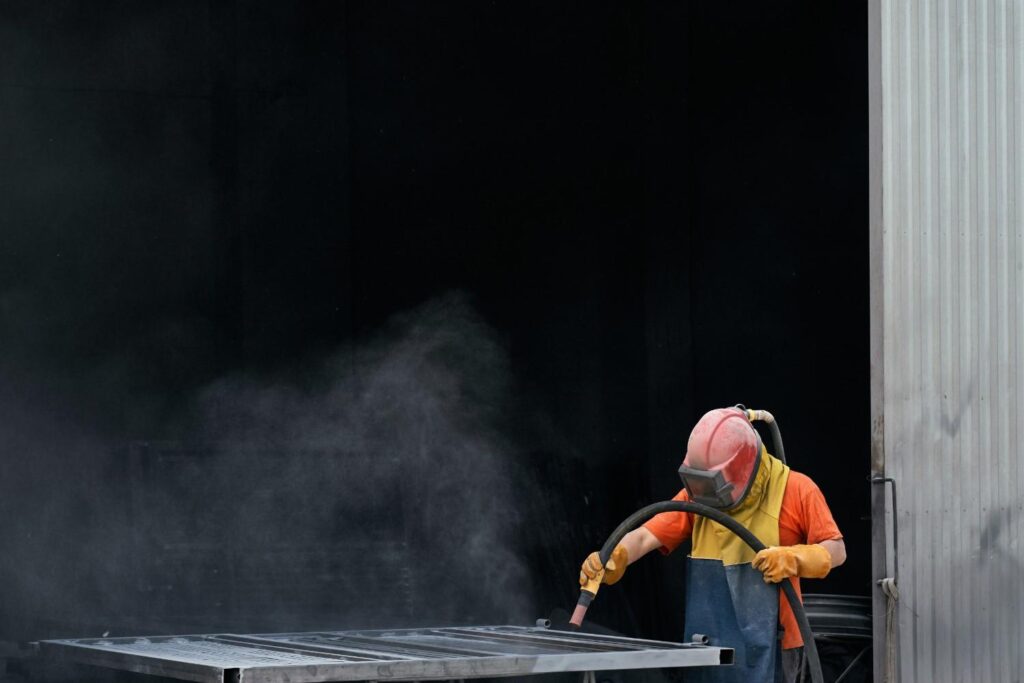
Heat-proofing helps keep homes cool and energy efficient.
Heat-Proofing: Complete Description and Benefits
Introduction
Heat-proofing is the process of protecting buildings, homes, or materials from excessive heat. It helps maintain a comfortable indoor temperature by reducing the amount of heat that enters a space from outside. In regions where summers are extremely hot, heat-proofing is not just a luxury—it is a necessity. It plays an important role in improving living conditions, saving energy, and protecting both people and property from the harmful effects of high temperatures.
With rising global temperatures and increasing heat waves, more people are now focusing on heat-proofing solutions. Whether it is a house, office, factory, or vehicle, heat-proofing can make a big difference in comfort and efficiency.
What is Heat-Proofing?
Heat-proofing refers to the use of materials, techniques, and designs that prevent heat from entering or escaping a structure. It mainly focuses on reducing heat transfer through roofs, walls, windows, and floors.
There are different ways to achieve heat-proofing, such as:
- Installing insulation materials
- Using reflective coatings on roofs
- Applying heat-resistant paints
- Installing double-glazed windows
- Using curtains or blinds to block sunlight
- Improving ventilation systems
These methods help reduce indoor temperatures naturally without relying heavily on air conditioners or cooling systems.
Why Heat-Proofing is Important
Heat-proofing is essential, especially in hot climates, because excessive heat can cause discomfort, health problems, and increased electricity bills. Without proper heat-proofing, buildings absorb heat during the day and release it slowly at night, making indoor spaces uncomfortable even after sunset.
Heat-proofing improves overall quality of life by creating a cooler and healthier environment.
Major Benefits of Heat-Proofing
1. Reduces Indoor Temperature
One of the biggest benefits of heat-proofing is that it keeps indoor spaces cool. Heat-proof materials reflect sunlight and prevent heat from entering the building. This can reduce indoor temperatures by several degrees, making rooms more comfortable.
2. Saves Energy
When a building is properly heat-proofed, there is less need to use air conditioners or fans. This leads to lower electricity consumption. As a result, energy bills decrease significantly.
Energy saving is not only good for your pocket but also helps conserve natural resources.
3. Lowers Electricity Bills
Since cooling systems are used less frequently, electricity bills become more affordable. In many hot regions, air conditioning is one of the biggest expenses. Heat-proofing helps reduce this burden.
4. Improves Comfort
Heat-proofing creates a comfortable indoor environment. It prevents extreme temperature fluctuations and keeps rooms cool even during peak summer hours. This makes it easier to relax, study, or work without discomfort.
5. Protects Health
Excessive heat can lead to health problems such as dehydration, heat exhaustion, and heat stroke. Heat-proofing helps maintain a safer indoor temperature, reducing these risks.
It is especially important for children, elderly people, and individuals with medical conditions.
6. Increases Building Life
High temperatures can damage building materials over time. Heat-proofing protects roofs, walls, and structures from heat-related damage such as cracks, expansion, and weakening.
This increases the lifespan of the building and reduces maintenance costs.
7. Environmentally Friendly
By reducing energy consumption, heat-proofing helps lower carbon emissions. Less use of air conditioners means less electricity demand, which is often generated from fossil fuels.
This makes heat-proofing an eco-friendly solution that supports environmental protection.
8. Cost-Effective in the Long Run
Although some heat-proofing methods require an initial investment, they save money in the long term. Reduced energy bills and lower maintenance costs make it a smart financial decision.
9. Improves Productivity
Cool environments help people focus better and work efficiently. In offices, schools, and homes, heat-proofing creates conditions that improve concentration and productivity.
10. Reduces Noise (Additional Benefit)
Some insulation materials used in heat-proofing also reduce noise. This creates a quieter and more peaceful indoor environment.
Common Heat-Proofing Techniques
1. Roof Heat-Proofing
Roofs receive the most sunlight, so they absorb the highest amount of heat. Applying reflective coatings or heat-resistant paint can significantly reduce heat absorption.
2. Wall Insulation
Walls can be insulated using special materials that block heat transfer. This helps maintain indoor temperature.
3. Window Protection
Windows allow sunlight to enter easily. Using double-glazed glass, curtains, blinds, or reflective films can reduce heat entry.
4. Ventilation Systems
Proper airflow helps remove hot air and bring in fresh air. Ventilation plays an important role in keeping indoor spaces cool.
5. Use of Cool Materials
Using light-colored paints and reflective surfaces can reduce heat absorption. Dark colors absorb more heat, while light colors reflect it.
Types of Heat-Proofing Materials
Some commonly used materials include:
- Foam insulation
- Fiberglass
- Reflective sheets
- Thermal coatings
- Cool roof paints
Each material has its own advantages and is chosen based on the type of building and climate.
Heat-Proofing for Homes
In homes, heat-proofing is especially useful during summer. Simple steps like installing curtains, using roof coatings, and improving ventilation can make a big difference.
For better results, a combination of methods is recommended.
Heat-Proofing for Commercial Buildings
Offices, factories, and commercial buildings use large amounts of energy for cooling. Heat-proofing reduces operational costs and improves working conditions.
It is widely used in industries where temperature control is important.
Challenges of Heat-Proofing
Although heat-proofing has many benefits, there are some challenges:
- Initial cost may be high
- Requires proper installation
- Some materials need maintenance
- Effectiveness depends on climate and building design
However, these challenges are minor compared to the long-term benefits.
Future of Heat-Proofing
With climate change and increasing global temperatures, heat-proofing will become even more important. New technologies and materials are being developed to improve efficiency and reduce costs.
Smart buildings with advanced insulation and cooling systems are becoming more common.
✔️ What this means:
- 992 words = strong draft ✔️
- But not fully complete for 1200-word requirement ❌
✔️ How to fix it (easy ways):
You can add any of these sections to reach 1200 words:
1. Add “Heat-Proofing in Pakistan” section
Explain:
- Hot weather in Pakistan
- Importance in cities like Lahore, Karachi, Multan
- Rising electricity bills due to AC use
2. Add “Modern Heat-Proofing Technology”
- Solar reflective paint
- Smart insulation materials
- Energy-efficient buildings
3. Add a short FAQ section
Example:
- What is heat-proofing?
- Is heat-proofing expensive?
- Does it really save electricity?
4. Add conclusion extension
- Future importance
- Climate change effect
Conclusion
Heat-proofing is an effective and practical solution to deal with extreme heat. It helps reduce indoor temperatures, save energy, lower electricity bills, and improve overall comfort. It also protects health, increases building lifespan, and supports environmental sustainability.
In today’s world, where temperatures are rising every year, heat-proofing is no longer optional—it is essential. Whether for homes, schools, or workplaces, investing in heat-proofing is a smart and beneficial decision.