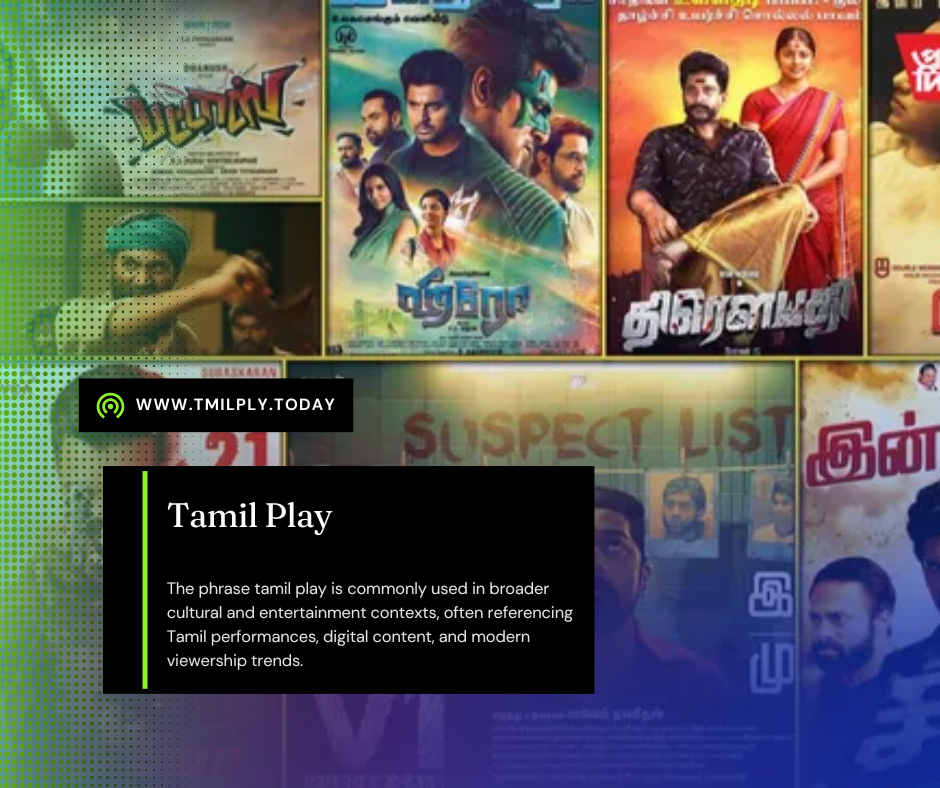
The world of Tamil play is a vibrant blend of culture, storytelling, and performance that reflects the deep-rooted traditions of Tamil society. From ancient folk performances to modern stage dramas, Tamil theatre has evolved while preserving its unique identity. It continues to entertain audiences while also delivering meaningful social and cultural messages.
The Historical Roots of Tamil Theatre
The journey of tamil play dates back centuries, deeply connected with temple traditions and rural storytelling forms.
Folk Traditions and Early Performances
One of the earliest forms of Tamil theatre is Therukoothu, a street performance art that combines music, dance, and dialogue. These performances were often based on epics like the Mahabharata and Ramayana, making them both educational and entertaining for village audiences.
Influence of Religion and Culture
Tamil plays were closely tied to religious festivals and rituals. Performers used theatre as a medium to narrate mythological stories and convey moral values. This strong cultural connection helped Tamil theatre flourish across generations.
Evolution into Modern Tamil Play
Over time, tamil play transformed to adapt to urban audiences and changing societal themes.
Rise of Stage Drama
In the 19th and 20th centuries, Tamil theatre saw the emergence of organized stage plays. Playwrights began writing scripts that addressed social issues such as caste, education, and women’s rights. This period marked a shift from purely mythological content to realistic storytelling.
Contribution of Legendary Artists
Renowned figures like Cho Ramaswamy played a significant role in shaping modern Tamil theatre. Their works blended humor with political and social commentary, making theatre more relevant and impactful.
Themes and Styles in Tamil Theatre
The diversity of tamil play is one of its greatest strengths, offering a wide range of genres and styles.
Social and Political Narratives
Modern Tamil plays often explore contemporary issues, including corruption, relationships, and identity. These themes resonate with audiences and encourage critical thinking.
Comedy and Entertainment
Comedy remains a popular genre in Tamil theatre. Light-hearted plays attract large audiences and provide a refreshing escape while still carrying subtle messages.
The Cultural Significance of Tamil Play Today
Tamil theatre continues to thrive despite the dominance of cinema and digital entertainment.
Revival and Global Reach
Theatre groups and cultural organizations are actively promoting Tamil plays across the globe. Festivals and stage performances keep the tradition alive among younger generations and the Tamil diaspora.
Educational and Artistic Value
Tamil plays are not just a form of entertainment but also a powerful educational tool. They help preserve language, traditions, and artistic expression in a rapidly modernizing world.
Conclusion: The Timeless Appeal of Tamil Play
In conclusion, tamil play stands as a testament to the richness of Tamil culture and its storytelling heritage. From traditional folk performances to contemporary stage dramas, it continues to evolve while maintaining its essence. The enduring charm of tamil play lies in its ability to connect with audiences emotionally, culturally, and intellectually, ensuring its relevance for generations to come.