A shaking steering wheel at highway speed can scare any driver. Jeep Wrangler owners know this problem as death wobble. It can hit fast and feel rough, like the whole front end wants to jump off the road. Regular suspension checks help spot worn parts before serious trouble starts. A trained mechanic can inspect key areas and lower the risk of unsafe driving. In fact, a trusted Jeep Wrangler Death Wobble Solution starts with routine inspection and proper service from suspension experts.
What Is Death Wobble in a Jeep Wrangler?
Death wobble is a strong vibration in the front suspension and steering system. It usually starts after hitting a bump or rough road at a higher speed. The steering wheel may shake hard, and the Jeep may feel hard to control.
This problem does not come from one single part. Instead, several worn or loose suspension parts can work together and create the issue. A professional inspection helps find the real source. Drivers should never ignore warning signs. Small vibrations can grow into bigger suspension trouble over time.
How Frequently Should Suspension Parts Be Checked?
Most suspension experts suggest a full inspection every 12,000 miles or once each year. However, Jeep Wranglers used for off-road driving, towing, or rough terrain may need checks sooner.
Road conditions play a huge role. Mud, rocks, potholes, and lifted suspension systems place extra stress on steering and suspension parts. A professional shop may recommend inspections during:
- Tire rotations
- Wheel alignments
- Brake service visits
- After off-road trips
- Following hard impacts with potholes or curbs
Regular service records also help mechanics track wear patterns before parts fail.
Suspension Parts Mechanics Usually Inspect
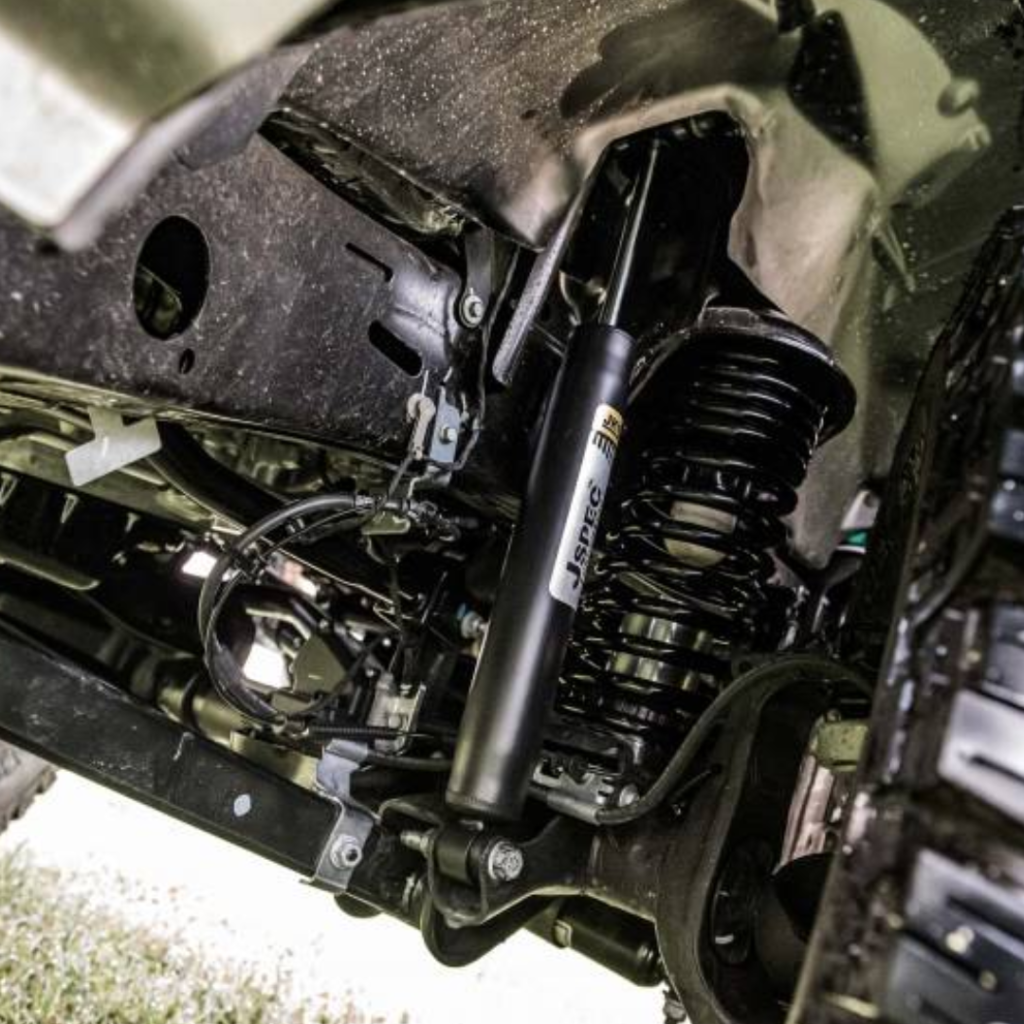
Several front-end parts can affect Wrangler stability. A certified suspension technician checks each component carefully.
Track Bar
The track bar keeps the axle stable under the Jeep. Loose bolts or worn bushings can allow side-to-side movement. Even slight play in this part may lead to violent shaking at speed. Mechanics inspect mounting points, bushings, and torque settings during service.
Ball Joints
Ball joints help the wheels move smoothly during turns and suspension travel. Worn joints can create looseness in the steering system. A shop may test for vertical or horizontal movement during inspection. Any extra play can signal a problem.
Tie Rod Ends
Tie rod ends connect steering components together. If these parts wear out, steering response may feel loose or shaky. Professional technicians inspect boots, movement, and wear patterns closely.
Control Arms and Bushings
Control arms help hold the axle position. Bushings reduce vibration and absorb road shock. Cracked or worn bushings may allow extra movement under the Jeep. This movement can add stress across the front suspension system.
Why Lifted Wranglers Need Extra Attention
Lift kits change suspension angles and steering geometry. While lifts improve ground clearance, they also place more stress on several components. A lifted Wrangler should receive inspections sooner than a stock setup. Suspension experts may recommend checks every 6,000 to 8,000 miles for heavily modified Jeeps.
Drivers searching for a lasting Jeep Wrangler Wobble Repair Solution should work with experienced suspension specialists familiar with lifted vehicles.
Signs a Professional Inspection Is Needed
Some warning signs appear before the severe wobble starts. Paying attention to these signals can help prevent unsafe driving conditions.
Common Symptoms Include:
- Steering wheel vibration
- Loose steering feel
- Clunking noises from the front end
- Uneven tire wear
- Vehicle drifting while driving
- Shaking after bumps
Drivers should schedule a professional inspection right away if these symptoms appear.
Why Tire Condition Matters
Tires play a major role in front suspension balance. Uneven wear or poor balancing can place extra strain on steering components. Large off-road tires add more weight to the suspension system. Poor alignment can also increase stress across steering parts.
Professional tire balancing and alignment checks support a complete Jeep Wrangler Death Wobble Solution plan. Suspension and tire systems work together, so both need proper care.
How Road Conditions Affect Suspension Wear
Wranglers face rough environments more than standard SUVs. Dirt trails, rocks, water crossings, and broken pavement all increase suspension strain. Daily driving in cities with potholes can also speed up wear. Hard impacts may loosen bolts or damage bushings over time.
Drivers who use their Wrangler for trail rides or outdoor trips should schedule inspections sooner after heavy use.
Why Professional Service Matters
Death wobble involves safety-critical systems. Steering and suspension parts require skilled inspection tools and training. Professional mechanics understand how each part works together. They can measure movement, inspect wear patterns, and verify alignment settings correctly.
Guesswork can lead to missed problems or unsafe driving conditions. A proper Jeep Wrangler Wobble Repair Solution depends on expert diagnosis and high-quality repairs. Trusted shops may also spot hidden wear before drivers notice symptoms.
Can Regular Checks Prevent Major Repairs?
Routine inspections help catch worn parts early. Replacing damaged components before major failure can reduce stress across the suspension system.
Preventive service may also improve:
- Steering control
- Tire life
- Ride comfort
- Highway stability
- Overall safety
Small issues rarely stay small for long in a heavily used suspension system. Early inspections help avoid larger repair bills later.
Final Thought
Jeep Wrangler suspension systems handle tough roads, heavy loads, and rough driving conditions. All this stress can wear down steering and suspension parts over time. Regular professional inspections help keep the vehicle stable and safe on the road.
A trusted Jeep Wrangler Death Wobble Solution starts with scheduled suspension checks, proper alignment service, and expert attention to worn components. Drivers who stay ahead of suspension wear can enjoy smoother handling, safer driving, and greater peace of mind every mile ahead.