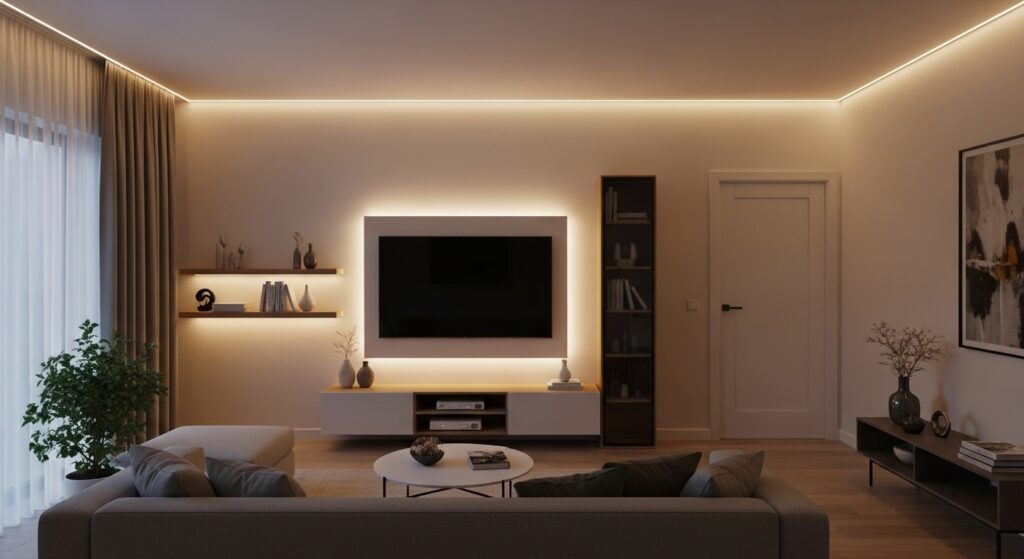
Lighting plays a bigger role in daily life than most people realize. It shapes mood, improves productivity, enhances safety, and defines the look of homes, offices, streets, and commercial spaces. From traditional bulbs to advanced smart systems, lighting technology has evolved rapidly, making spaces more efficient and visually appealing.
This article explores the world of lights in detail, including their types, benefits, applications, and how to choose the right lighting for different needs.
Introduction to Lighting
Light is a form of energy that allows humans to see objects by illuminating them. Without proper lighting, daily tasks become difficult and unsafe. Over time, lighting has transformed from fire-based sources like candles and oil lamps to modern electrical systems.
Today, lighting is not just about visibility. It is also about design, energy efficiency, and smart control. Modern lights are designed to reduce electricity consumption while improving brightness and comfort.
Major Types of Lights
Lighting can be categorized in several ways based on technology, purpose, and design. Below are the most common types used today.
1. Incandescent Lights
These are traditional bulbs that produce light by heating a filament. They are inexpensive but inefficient because they consume more electricity and generate heat.
Key features:
- Warm light
- Low cost
- High energy consumption
- Short lifespan
Although still available, they are being replaced by more efficient options.
2. Fluorescent Lights
Fluorescent lamps use gas and phosphor coating to produce light. They are commonly found in offices, schools, and commercial buildings.
Key features:
- Energy efficient compared to incandescent bulbs
- Longer lifespan
- Available in tubes and compact forms
- Slight flickering in older versions
3. LED Lights (Light Emitting Diode)
LED lighting has become the most popular lighting solution worldwide due to its efficiency and durability.
Key features:
- Extremely energy efficient
- Long lifespan (up to 50,000 hours or more)
- Low heat emission
- Available in various colors and designs
- Environmentally friendly
LEDs are used in homes, offices, street lighting, and decorative lighting.
4. Halogen Lights
Halogen lights are a type of incandescent light but more efficient and brighter.
Key features:
- Bright white light
- Good color accuracy
- Produces heat
- Common in spotlights and automotive lighting
5. Smart Lights
Smart lighting systems allow users to control brightness, color, and timing through mobile apps or voice assistants.
Key features:
- Remote control via smartphone
- Adjustable colors and brightness
- Automation and scheduling
- Integration with smart home systems
Benefits of Modern Lighting
Lighting technology has improved significantly, offering several advantages beyond simple illumination.
1. Energy Efficiency
Modern LED and smart lights consume far less electricity compared to older systems. This reduces electricity bills and energy waste.
2. Long Lifespan
Advanced lighting systems last much longer, reducing replacement costs and maintenance efforts.
3. Better Aesthetics
Lighting is now used in interior design to enhance beauty and create ambiance in homes, hotels, and offices.
4. Environmental Impact
Energy-efficient lighting reduces carbon emissions, making it a more eco-friendly choice.
5. Improved Productivity
Proper lighting in workplaces improves focus, reduces eye strain, and increases overall productivity.
Applications of Lights
Lighting is used in almost every area of life. Below are some major applications.
1. Residential Lighting
Homes use lighting for general visibility, decoration, and comfort. Living rooms, kitchens, bedrooms, and bathrooms all require different lighting setups.
2. Commercial Lighting
Offices, malls, and shops use lighting to attract customers and improve working conditions.
3. Industrial Lighting
Factories and warehouses require powerful lighting for safety and efficiency.
4. Street Lighting
Public roads and highways rely on lighting to ensure safety during nighttime travel.
5. Decorative Lighting
Used in events, weddings, and architecture to enhance visual appeal.
How to Choose the Right Lighting
Selecting the right lighting depends on several factors. Making the correct choice improves comfort and reduces costs.
1. Purpose of Lighting
First, identify whether the light is for reading, decoration, work, or outdoor use.
2. Brightness Level (Lumens)
Brightness matters more than wattage. Higher lumens mean brighter light.
3. Color Temperature
- Warm white: Relaxing and cozy (bedrooms, living rooms)
- Cool white: Bright and energetic (offices, kitchens)
- Daylight: Natural sunlight effect (study areas)
4. Energy Consumption
Always consider energy-efficient options like LED lights to save electricity.
5. Design and Style
Lighting should match interior or exterior design for a balanced look.
6. Durability
For outdoor and industrial use, choose weather-resistant and strong lighting systems.
The Rise of LED Technology
Among all lighting types, LED has revolutionized the industry. It has replaced traditional bulbs in most modern applications.
LED lights use semiconductor technology to convert electricity directly into light. This process makes them highly efficient and long-lasting.
They are now used in:
- Home lighting systems
- LED TVs and displays
- Traffic signals
- Automotive headlights
- Smart lighting systems
Their flexibility in design also allows manufacturers to create panel lights, strip lights, and decorative fixtures.
Future of Lighting Technology
Lighting technology continues to evolve with innovation and sustainability in focus.
1. Smart Homes Integration
Lighting systems will become more intelligent, adjusting automatically based on user behavior.
2. Human-Centric Lighting
Future lighting will mimic natural daylight patterns to support sleep cycles and health.
3. Solar Lighting Systems
Solar-powered lights are becoming more common for outdoor and street lighting.
4. IoT-Based Lighting
Internet-connected lighting will allow full automation in homes and cities.
5. Eco-Friendly Innovation
Manufacturers are focusing on recyclable materials and energy-saving designs.
Maintenance Tips for Lights
Proper maintenance increases the lifespan and performance of lighting systems.
- Clean light fixtures regularly to remove dust
- Replace damaged bulbs immediately
- Avoid overloading electrical circuits
- Use voltage stabilizers in unstable power areas
- Choose quality products for long-term reliability
Common Mistakes to Avoid
Many people make mistakes when choosing or using lighting systems.
- Using overly bright lights in small rooms
- Ignoring color temperature
- Choosing cheap low-quality bulbs
- Poor placement of lights causing shadows
- Not considering energy efficiency
Avoiding these mistakes can significantly improve lighting performance and comfort.
Conclusion
Lighting is an essential part of modern life that goes far beyond visibility. It influences mood, productivity, safety, and design. With advancements in LED and smart lighting technology, people now have access to more efficient, stylish, and eco-friendly options than ever before.
Choosing the right lighting requires understanding your needs, space, and energy consumption. As technology continues to improve, lighting will become even more intelligent and integrated into everyday life.
Whether for homes, offices, or outdoor spaces, the right lighting can completely transform an environment and enhance the way people live and work.