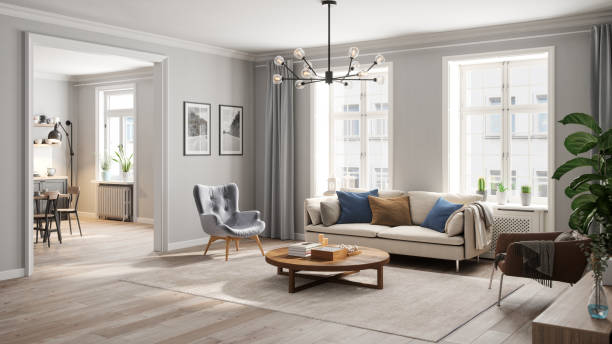
People still think “eco-friendly” means you’re about to live in a space that feels… toned down. Safe. A little dull, if we’re being honest. That’s not really how it plays out anymore. Not if it’s done right. Somewhere along the line, Sustainable Interior Design in Las Vegas stopped being this niche, crunchy thing and turned into something way more practical. And better looking too. You don’t have to trade style for sustainability. That’s a false choice. What you do have to do is stop defaulting to the easiest option every time. That’s usually where things go wrong.
Materials That Actually Have Some Life in Them
Most spaces feel flat because the materials are flat. Perfect, uniform, predictable. Sustainable materials tend to go the other way, which helps. Reclaimed wood is the obvious example, yeah, but there’s a reason people keep using it. It’s got variation. Knots, weird tones, small flaws. You don’t get that from factory-finished boards. Same story with stone, cork, bamboo… even recycled metal if you use it right. The point isn’t to shout “this is eco-friendly,” it’s just to pick things that don’t feel dead on arrival. Mix them in normally. Don’t over-curate it, that’s where people mess up.
Color Without That Washed-Out Feel
There’s this weird fear that going green means everything has to be pale and quiet. It doesn’t. The real shift is in what’s inside the paint, not the color itself. Low-VOC, non-toxic, mineral-based… boring terms, but useful. You can still go deep with color. Dark greens, burnt orange, even black walls if you know how to handle them. And honestly, those richer tones tend to work better with natural materials anyway. Feels more grounded. Less like a showroom, more like a place someone actually lives in.
Furniture You Don’t Regret Buying Later
Fast furniture is tempting. Cheap, quick, looks decent in photos. Then it starts wobbling, or fading, or just… feeling off. Sustainable design leans harder on fewer, better pieces. Stuff that holds up. Solid frames, decent joinery, fabrics that don’t give up after a year. It’s not about being fancy, it’s about not replacing the same thing over and over. Vintage helps here too. Older pieces usually have more personality, and they’ve already proven they can last. A slightly worn chair with good bones beats a brand-new weak one. Every time.
Lighting That’s Not Just an Afterthought
Lighting gets ignored until it’s bad. Then it’s unbearable. Sustainable choices here are pretty straightforward, but people still skip steps. Yes, use LED. That’s easy. But also, stop blocking natural light with heavy layouts or dark, bulky window treatments. Let the space breathe a bit. Then layer your lighting. Don’t rely on one harsh ceiling fixture and call it done. Use lamps, softer sources, warmer tones where you actually relax. It’s not complicated, just… often overlooked.
Fabrics You’ll Actually Want to Live With
You notice fabrics more than you think. Not consciously, but they affect how a space feels. Synthetic-heavy stuff might look fine at first, but it doesn’t age well. It pills, traps heat, sometimes feels weirdly sticky in warmer climates. Natural options like cotton, linen, wool — they just behave better over time. They soften, they breathe. Even some recycled blends are getting good now, not perfect, but better than before. You don’t have to switch everything at once, just start paying attention to what you’re bringing in.
Layouts That Don’t Fight You
This part isn’t flashy, so it gets ignored. But it matters more than people think. A good layout saves energy without trying too hard. Better airflow, smarter use of light, less need for constant cooling or artificial lighting. You don’t need ten pieces of furniture if five will do the job properly. Built-ins help. Multi-use spaces help. It’s less about adding and more about not overloading the room in the first place. There’s a kind of quiet efficiency to it, hard to explain, but you feel it after a while.
Zooming Out a Bit (Because It’s Not Just Decor)
At some point, you realize this isn’t only about cushions and paint colors. The bigger picture matters. How the place was built, what materials were used behind the walls, how energy flows through the space. That’s where Property Development Services in Las Vegas start to connect with interior choices, whether people notice it or not. If the base is done right, you’re not constantly fixing problems later with design tricks. Things just work. Temperatures stay stable, lighting feels natural, spaces don’t feel forced.
Style Still Leads, Not the Other Way Around
This is where people overcorrect sometimes. They get so focused on “doing the right thing” that the space ends up feeling stiff. Like it’s trying too hard. Style still comes first, or at least it should sit alongside everything else. The eco-friendly part should support it, not override it. And the good news is, it usually does. Natural materials, older pieces, thoughtful layouts… they tend to look better anyway. Less generic. A bit more personal, even if you didn’t plan it that way.
Conclusion
You don’t need to flip your entire home upside down to make it more sustainable. That’s where people get stuck, thinking it has to be all or nothing. It’s not. Start small. Swap out materials when you can. Choose better pieces when it’s time to replace something anyway. Pay attention to how your space actually works, not just how it looks in photos. It builds slowly, kind of in the background. And eventually, you end up with a place that feels more like yours, works better day to day, and yeah… still looks good. Probably better, if we’re being real.