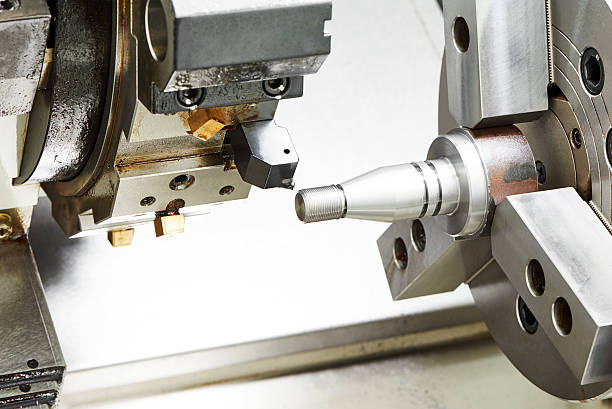
Let’s be real for a second. In medical and aerospace work, there’s no room for “close enough.” One tiny deviation and things go sideways fast. That’s where swiss type turning quietly becomes a big deal, even if most people outside manufacturing barely think about it. It’s used for making ultra-precise, small, complex parts that have to just work, every single time, no excuses. In industries where a fraction of a millimeter matters, this process is not optional anymore. It’s kind of the backbone for reliability in parts you never see but absolutely depend on.
The Basics of Swiss Type Turning: Small parts, serious precision
Swiss type turning is basically built for long, thin, and delicate components. Think surgical screws, bone implants, aerospace pins, fuel system parts. Stuff that looks simple but is anything but. What makes it different is how the material is supported right near the cutting tool. That sliding headstock setup reduces vibration like crazy. And yeah, that matters more than people think. Less vibration means cleaner cuts, tighter tolerances, and fewer failures later on. Truth is, regular machining can struggle with this level of consistency. Swiss machines just handle it better. No drama.
Why Medical Parts Demand Absolute Accuracy
Medical manufacturing is brutal in its expectations. There’s no “almost fits” when you’re talking about implants or surgical tools. Everything has to match exact specifications, sometimes down to microns. A tiny hip implant screw or spinal component needs perfect repeatability. If one batch is off, that’s not just scrap metal—that’s patient risk. This is where Swiss type turning steps in. It allows manufacturers to produce high volumes without drifting off spec. And that repeatability? That’s what regulators care about. Consistency over everything else. No shortcuts here. Not allowed.
Aerospace Doesn’t Forgive Mistakes Either
Now shift to aerospace. Same story, different pressure. Literally. Parts used in aircraft engines or control systems go through extreme stress, vibration, and temperature swings. If something fails mid-air, there’s no second chance. That’s why aerospace engineers lean heavily on precision machining methods that don’t drift. This is also where Swiss machining really shows its value. It can handle complex geometries while maintaining tight tolerances over long production runs. Not just prototypes—real production scale. Let’s just say, aerospace doesn’t gamble. And neither do the machines they trust.
The Stability Factor: Why Swiss Machines Stay Consistent
One of the underrated advantages is stability. The bar stock is guided through a bushing right next to the cutting zone. That might sound like a small detail, but it changes everything. Less deflection means fewer errors. Fewer errors mean less scrap. And less scrap means cost control, which manufacturers care about more than they admit. It also keeps tools sharper longer. Less chatter, less wear. Everything just runs smoother. Not perfect, nothing is—but closer than most setups can manage.
Complex Geometry Without the Headache
Modern medical and aerospace parts aren’t simple anymore. You’ve got threads, grooves, cross-holes, and micro features all packed into one tiny component. Trying to do that on traditional machines? It’s possible, sure, but messy. More setups, more handling, more chances to mess it up. Swiss type turning simplifies that. Multiple operations happen in one cycle. Less human intervention. Less shifting between machines. It just flows better, even when the part design is complicated as hell. And honestly, that’s where manufacturers save time without cutting corners.
Production Efficiency That Actually Matters
Efficiency gets thrown around a lot in manufacturing talk, but here it actually means something real. Swiss machines are built for continuous production. Long runs. Small parts. Minimal downtime. Tooling changes are faster. Cycle times are tighter. And once dialed in, they just keep going. In medical and aerospace supply chains, reliability matters as much as precision. Because delays can stall entire assembly lines. Nobody wants that kind of heat. So yeah, it’s not just about accuracy. It’s about keeping the whole system moving.
Cost vs Precision: The Honest Trade-Off
Here’s the part nobody says out loud enough. Swiss machines aren’t cheap. Setup can take time, programming needs skill, and tooling isn’t low-cost either. But once you’re running production? The cost per part drops fast. Fewer rejects. Less rework. Less material waste. It balances out. Especially in industries where a failed part costs way more than just money. So manufacturers make a simple call: spend more upfront, or lose more later. Most choose the first option once they’ve been burned a few times.
Conclusion: Why Swiss Type Turning Stays in Demand
At the end of the day, swiss type turning isn’t about hype or fancy machinery. It’s about trust. Trust that a part will come out right, again and again, without surprises. The medical and aerospace industries don’t have the luxury of inconsistency, and that’s exactly where swiss machining proves its value. That’s the real reason this process sticks around. It solves problems that other machining methods still struggle with. And honestly, it’s not going away anytime soon. If anything, as parts get smaller and more complex, the demand just keeps creeping up. Quietly, but steadily.