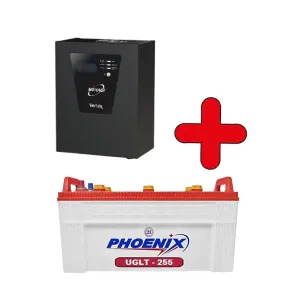
Frequent power outages combined with continuously climbing electricity tariffs have made energy independence a necessity rather than a luxury for Pakistani households. While installing an on-grid solar system works exceptionally well during the day, it fails to provide backup during night-time load shedding. This is why investing in a dedicated inverter and battery package in Pakistan has become the ultimate choice for continuous, uninterrupted electricity.
Whether you are looking for a compact backup system for your fans and lights or a robust setup to run multiple inverter air conditioners, choosing the right combination of hybrid inverter and storage battery is critical. This comprehensive guide analyzes the market’s top options, component pairings, and current estimated package pricing.
The Core Choice: Tubular vs. Lithium-Ion Battery Packages
When shopping for an inverter and battery combo, your biggest decision is the battery chemistry. The market is split into two primary paths, each offering a vastly different upfront cost and lifecycle:
1. Traditional Tubular Battery Packages (Budget-Friendly Setup)
Tubular lead-acid batteries (like the popular Osaka TA-1800/2500 or Exide TR-3500) have long been the staple for home UPS and solar systems in Pakistan.
-
Pros: Highly affordable upfront cost.
-
Cons: Requires active maintenance (regularly topping up distilled water), heavy footprint, and a shorter lifespan of roughly 2 to 3 years before requiring a full replacement.
2. Lithium-Ion LiFePO4 Packages (Modern Premium Setup)
Lithium Iron Phosphate ($LiFePO_4$) batteries (such as Dyness, Pylontech, or Livoltek) are modern alternatives that communicate directly with smart hybrid inverters.
-
Pros: Zero maintenance, lightweight, rapid charging, and an exceptional lifespan of 8 to 12 years (typically rated for 6,000+ charging cycles).
-
Cons: Considerably higher upfront installation cost.
Estimated Inverter and Battery Package Prices in Pakistan
Package configurations scale based on your home’s total load requirements. The table below outlines standard 2026 market price brackets for popular hybrid packages across Pakistan: NS Pro 1202a 1000W Inverter UPS + Alaska
| System Capacity | Inverter Example | Battery Configuration | Estimated Package Price (PKR) | Ideal Load Handling |
| 3.2kW – 3.6kW Tier | Growatt / Solis 3.6kW Hybrid | 1x 2.5kWh Lithium OR 2x 180Ah Tubular | Rs. 180,000 – Rs. 310,000 | Lights, fans, refrigerator, water pump, or 1 small inverter AC. |
| 5kW – 6.2kW Tier | Knox / Livoltek / Crown 6kW | 1x 5.12kWh Lithium OR 4x 200Ah Tubular | Rs. 320,000 – Rs. 450,000 | Full home load including 1–2 inverter ACs, deep freezer, and washing machine. |
| 8kW – 10kW Tier | Solis / GoodWe / Fronus 10kW | 2x 5.12kWh Lithium (10kWh total) | Rs. 650,000 – Rs. 880,000+ | Large residences or small commercial offices running 3+ ACs simultaneously. |
Market Note: These prices exclude the cost of solar panels. If you want to expand these packages into full hybrid solar setups later, premium tier-1 monocrystalline panels will add extra costs based on your total required wattage.
Top Hybrid Inverters Driving These Packages
A package is only as reliable as its inverter. The inverter acts as the “brain,” managing power distribution from the grid, batteries, and optional solar panels. Brands performing exceptionally well in Pakistan include:
-
Growatt & Solis: Excellent mid-to-high tier hybrid options that offer high efficiency ratings (above 97.5%), reliable cloud-based smartphone apps for live performance tracking, and seamless compatibility with modern lithium brands.
-
Knox & Crown Micro: Outstanding localized entry points for cost-conscious buyers. Models like the Knox Krypton or Crown Yorker deliver pure sine wave outputs and built-in MPPT charge controllers without breaking the bank.
-
GoodWe: A premier choice if you are seeking top-tier commercial-grade performance, high safety certifications, and robust warranties.
Crucial Buying Factors to Consider
Before finalizing a package deal with an installer or a local distributor, keep these key points in mind:
-
Pure Sine Wave vs. Modified Inverters: Ensure your selected package includes a pure sine wave inverter. Modified or square-wave setups are cheaper but can permanently damage sensitive modern home appliances like smart TVs, laptops, and inverter compressors.
-
BMS Communication: If you choose a lithium-ion package, verify that the inverter and battery have compatible Battery Management Systems (BMS). When they can communicate via data cables, the inverter can optimize charging parameters automatically, lengthening your battery’s actual operational lifespan.
-
Net-Metering Upgradability: If you plan on selling excess electricity back to WAPDA/NEPRA down the line, ensure the hybrid inverter model explicitly supports net-metering export features.
Summary: Making the Right Move
If upfront budget limits your flexibility, starting out with a 3.6kW or 6kW hybrid inverter paired with heavy-duty tubular batteries gives you a robust fallback solution against load shedding at a highly competitive entry cost.
However, for a long-term strategy, prioritizing a Lithium-Ion package is undeniably more cost-effective. It completely removes the recurring chore of buying replacement batteries every few seasons, giving you predictable performance and true energy independence for nearly a decade.