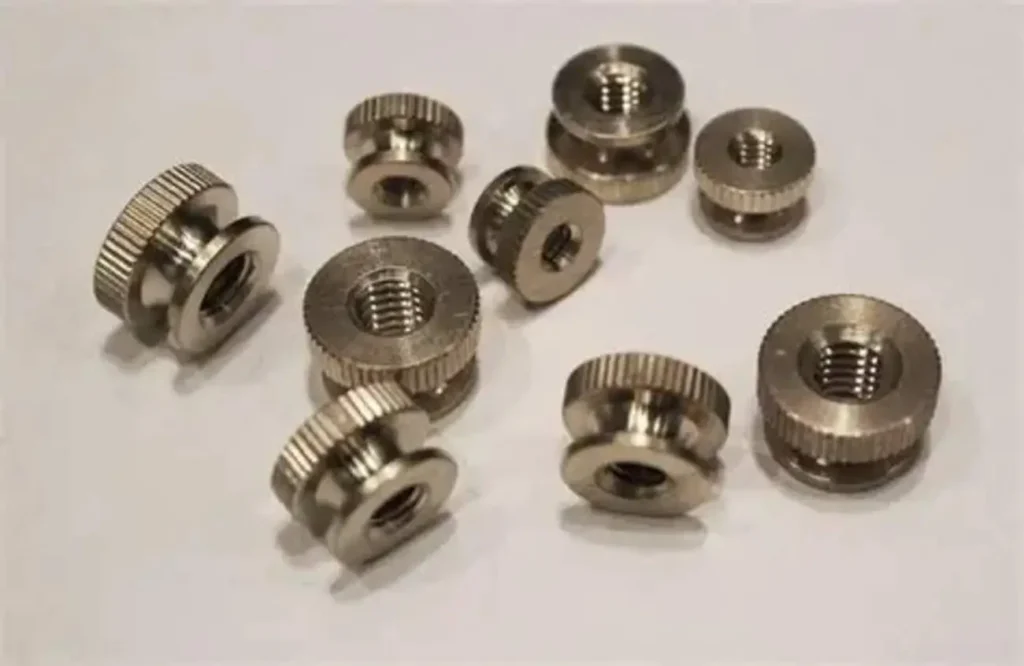
When it comes to fastening components without the need for specialized tools, thumb nuts/ mur offer a simple yet highly effective solution. These hand-tightened fasteners are widely used in industrial equipment, electronics, furniture, laboratory devices, lighting systems, and DIY projects where frequent assembly or adjustment is required.
Choosing the right thumb nut may seem straightforward, but several factors—including material, thread size, environment, and application—can significantly impact performance. Understanding these factors ensures that your project remains secure, easy to maintain, and built to last.
This guide explains everything you need to know about thumb nuts before making your selection.
What Is a Thumb Nut?
A thumb nut is a type of nut specifically designed to be tightened and loosened by hand rather than with a wrench or socket. It typically features a knurled or ridged outer surface that provides extra grip, allowing users to securely fasten components with minimal effort. Unlike standard hex nuts, thumb nuts prioritize convenience over high torque. They are ideal for applications that require regular adjustments, maintenance, or quick disassembly.How Thumb Nuts Work
Thumb nuts function like conventional threaded nuts by engaging with a matching bolt or threaded rod. The main difference lies in their ergonomic design. The textured exterior allows users to:-
- Tighten components quickly
-
- Remove fasteners without tools
-
- Make frequent adjustments
-
- Reduce maintenance time
-
- Prevent damage caused by excessive tightening
Common Types of Thumb Nuts
Several thumb nut designs are available, each suited to different applications.1. Knurled Thumb Nuts
Knurled thumb nuts feature diamond-pattern grooves around the outside diameter. This textured surface provides excellent grip even when wearing gloves. Common applications include:-
- Electronics
-
- Laboratory instruments
-
- Control panels
-
- Camera equipment
-
- Audio devices
2. Wing Thumb Nuts
Wing-style thumb nuts incorporate two protruding “wings” that make tightening even easier. They are commonly found in:-
- Furniture assembly
-
- Temporary fixtures
-
- HVAC access panels
-
- Garden equipment
3. Tall Thumb Nuts
These provide a larger gripping surface and are often used when greater manual torque is required. Applications include:-
- Industrial machinery
-
- Mechanical enclosures
-
- Test equipment
4. Decorative Thumb Nuts
Designed with aesthetics in mind, decorative thumb nuts are used where the fastener remains visible. Examples include:-
- Display fixtures
-
- Architectural hardware
-
- Retail shelving
-
- Decorative lighting
Materials Used in Thumb Nuts
Selecting the correct material is one of the most important decisions.Stainless Steel
Stainless steel thumb nuts provide excellent corrosion resistance and long service life. Benefits include:-
- Rust resistance
-
- High strength
-
- Attractive appearance
-
- Suitable for outdoor environments
Brass
Brass thumb nuts offer:-
- Excellent corrosion resistance
-
- Non-sparking properties
-
- Attractive finish
-
- Good electrical conductivity
Aluminum
Aluminum thumb nuts are lightweight while still offering reasonable strength. Advantages include:-
- Reduced weight
-
- Corrosion resistance
-
- Easy handling
Plastic
Plastic thumb nuts are ideal when electrical insulation or chemical resistance is needed. Advantages include:-
- Non-conductive
-
- Lightweight
-
- Corrosion-proof
-
- Cost-effective
Choosing the Correct Thread Size
Thread compatibility is essential for proper fastening. Common thread sizes include:-
- M3
-
- M4
-
- M5
-
- M6
-
- M8
-
- M10
-
- 1/4″-20
-
- 5/16″-18
-
- 3/8″-16
-
- Thread diameter
-
- Thread pitch
-
- Metric or imperial standard
-
- Bolt compatibility
Factors to Consider Before Buying Thumb Nuts
Application
First determine where the thumb nut will be used. Questions to ask include:-
- Will it require frequent adjustment?
-
- Is quick removal important?
-
- Will vibration occur?
-
- Is appearance a priority?
Environmental Conditions
Environmental exposure greatly affects fastener longevity. Consider whether the thumb nut will face:-
- Moisture
-
- Chemicals
-
- Saltwater
-
- UV exposure
-
- High temperatures
-
- Dust
Load Requirements
Thumb nuts are not intended for heavy structural loads. If significant clamping force is required, standard hex nuts with proper torque may be the better option. Thumb nuts excel in applications emphasizing convenience rather than maximum holding strength.Ease of Maintenance
Maintenance personnel often prefer thumb nuts because they simplify servicing. Benefits include:-
- Faster equipment inspection
-
- Reduced downtime
-
- Tool-free maintenance
-
- Lower labor costs
Advantages of Using Thumb Nuts
Thumb nuts offer several practical benefits.Tool-Free Installation
One of the biggest advantages is the ability to install and remove them without special tools.Faster Assembly
Manufacturing and maintenance operations become more efficient thanks to quicker fastening.Improved Accessibility
Thumb nuts are ideal for components located in areas where wrench access is limited.Reusable
High-quality thumb nuts can be removed and reinstalled many times without losing functionality, provided they are not over-tightened or damaged.Reduced Equipment Downtime
Because maintenance becomes faster, equipment can return to operation more quickly.Common Applications
Thumb nuts are found across many industries. Typical uses include:-
- Electrical enclosures
-
- Laboratory equipment
-
- Medical devices
-
- HVAC systems
-
- Camera mounting systems
-
- Lighting fixtures
-
- Display stands
-
- Inspection panels
-
- Automation equipment
-
- Consumer electronics
-
- Test instruments
-
- Industrial machinery
Maintenance Tips
Proper maintenance extends the life of thumb nuts. Best practices include:-
- Keep threads clean from dirt and debris.
-
- Avoid cross-threading during installation.
-
- Replace worn or damaged nuts immediately.
-
- Use corrosion-resistant materials in outdoor environments.
-
- Do not exceed recommended hand-tightening force.
-
- Periodically inspect fasteners exposed to vibration.