Good movement is an important part of daily health, yet many people live with stiffness, poor posture, or recurring discomfort without knowing the cause. Small movement problems often grow over time and affect work, exercise, and everyday activities. A Corrective Exercise Program can help identify these issues and support better body mechanics through targeted movement patterns, making daily tasks more comfortable and reducing unnecessary strain on muscles and joints.
What Is Corrective Exercise And Why Does It Matter?
Corrective exercise focuses on improving the way the body moves instead of simply increasing strength or endurance. Many people develop movement habits that place extra pressure on muscles and joints. These habits may come from long hours of sitting, repetitive work, old injuries, or limited flexibility. Corrective exercises aim to restore proper movement patterns by improving balance, stability, flexibility, and muscle coordination. Better movement often supports greater comfort, improved posture, and increased confidence during everyday activities and physical exercise.
Who Can Benefit From Corrective Exercise?
Many people can benefit from corrective exercise, regardless of age or fitness level. Office workers may experience neck and back discomfort from sitting for long periods. Athletes may use corrective movements to improve performance and reduce injury risk. Older adults often use these exercises to maintain balance and mobility. Individuals recovering from minor injuries may also regain strength and confidence through carefully planned routines. Anyone noticing stiffness, uneven movement, or repeated aches may find corrective exercise useful for improving daily function.
Signs That It May Be Time To Begin
Several common signs suggest that corrective exercise may be worth considering. Frequent muscle tightness, poor posture, limited flexibility, or discomfort during simple movements often point to movement imbalances. Reduced balance, uneven walking, or repeated strains may also indicate that certain muscles are not working together properly. Paying attention to these early warning signs allows people to address movement problems before they become larger issues. Early action often supports safer physical activity and greater comfort throughout daily routines.
How To Start A Corrective Exercise Routine Safely
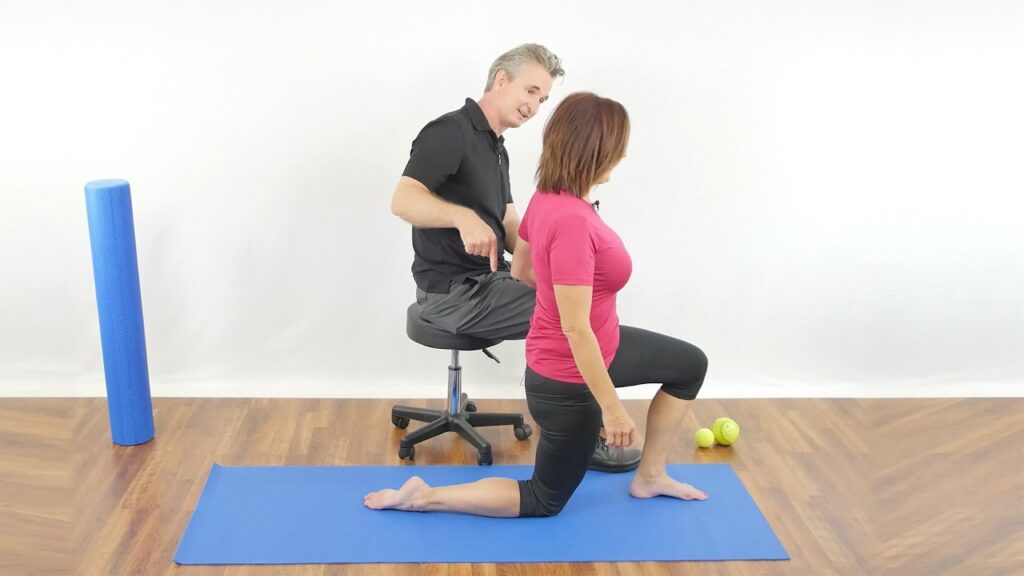
Starting corrective exercise begins with understanding how your body currently moves. A qualified fitness or rehabilitation professional can perform a movement assessment and identify areas needing improvement. The next step involves selecting simple exercises that match individual needs and current ability. Practicing movements slowly with proper form helps build safe habits. Progress should remain gradual, allowing muscles and joints enough time to adjust. Regular reassessment also helps measure improvement and determine whether new exercises should be introduced over time.
Building Healthy Movement Habits Every Day
Daily habits have a strong influence on movement quality and overall comfort. Sitting with proper posture, changing positions regularly, stretching tight muscles, and staying active all support better body mechanics. Walking, gentle mobility drills, and balanced strength exercises help maintain progress achieved through corrective exercise. Consistency matters far more than intensity. Small improvements repeated each day often produce meaningful long-term results. Healthy movement habits become easier to maintain as the body develops greater flexibility, coordination, and muscular balance.
Simple Steps To Support Better Results
Following a few practical habits can improve the effectiveness of corrective exercise:
- Complete exercises with slow, controlled movements.
- Focus on proper technique instead of speed.
- Practice consistently several times each week.
- Warm up before beginning each session.
- Stretch muscles that feel tight or restricted.
- Strengthen weaker muscle groups gradually.
- Track progress and adjust exercises as needed.
- Seek professional guidance for persistent discomfort.
These simple actions help build lasting movement improvements while reducing unnecessary stress on the body.
Long-Term Benefits Of Corrective Exercise
Corrective exercise supports much more than temporary relief from discomfort. Better movement patterns can improve posture, flexibility, balance, and coordination for years to come. Many people notice greater confidence during sports, work, and daily activities as movement becomes smoother and more efficient. Improved joint function may also reduce unnecessary wear caused by poor body mechanics. Consistent practice encourages healthier movement habits that continue supporting physical wellness throughout different stages of life and varying levels of physical activity.
Conclusion
Corrective exercise is valuable for anyone experiencing poor posture, movement limitations, recurring discomfort, or reduced flexibility. Starting with a proper assessment and following a structured plan allows gradual improvement without unnecessary strain. Consistent practice, good technique, and healthy daily habits help create lasting results. Better movement supports everyday comfort, physical activity, and long-term wellness. Taking action early gives the body a stronger foundation for staying active, reducing avoidable discomfort, and maintaining better overall health throughout life.