Heat Recovery Exchanger: The Technology Working Behind the Scenes
Imagine a technology that not only enhances your indoor air quality but also saves you money on energy bills. Enter the heat recovery exchanger, an unsung hero of modern HVAC systems. This innovative device works tirelessly behind the scenes to recycle stale exhaust air and transform it into a resource that warms incoming fresh air—effectively balancing comfort and efficiency in your home. As our awareness of energy consumption grows, so does our interest in sustainable living solutions. The heat recovery air exchanger stands out as an eco-friendly option for homeowners looking to optimise their heating systems without sacrificing comfort or indoor climate quality. Curious about how this clever technology operates? Let’s dive deeper into its mechanics and benefits!
How Stale Exhaust Air Warms Fresh Incoming Air
Heat recovery air exchangers are designed to maximise energy efficiency by utilising the warmth from stale exhaust air. As indoor air is expelled, it carries with it heat that would otherwise be wasted. This process creates a unique opportunity for incoming fresh air to benefit from that lost warmth.
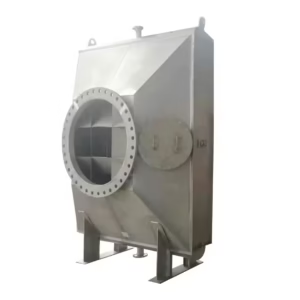
The core of this technology lies in a heat exchanger, where stale and fresh air streams pass close together without mixing. The warm, outgoing air transfers its heat to the cooler incoming air, effectively pre-warming it before it enters your living space. This not only enhances comfort but also reduces the workload on heating systems.
As temperatures drop outside, this method becomes even more crucial. Rather than allowing cold drafts to invade your home, a heat recovery ventilator ensures that you enjoy consistently comfortable conditions while conserving energy throughout the colder months ahead.
Duct Design Impacts on Static Pressure and Noise
Duct design plays a crucial role in the performance of a heat recovery air exchanger. Proper sizing and layout can significantly influence static pressure levels within the system. When ducts are too narrow or have sharp bends, airflow becomes restricted, increasing resistance. This resistance can make your ventilation system work harder, ultimately affecting energy efficiency.
Noise is another critical factor impacted by duct design. Poorly designed systems often experience turbulence as air rushes through tight spaces or around corners. This turbulence can manifest as unwanted sounds that disrupt the tranquillity of your living environment. Smooth transitions and wider ducts help minimise these issues.
Additionally, using insulated ducts reduces noise transmission while maintaining temperature control. Thoughtful duct placement ensures balanced airflow throughout the space without unnecessary strain on fans and blowers, contributing to both comfort and efficiency in indoor environments.
Core Materials That Make an Air Recovery Ventilation System Efficient
The efficiency of an air recovery ventilation system largely hinges on its core materials. These materials play a crucial role in transferring heat from the outgoing stale air to the incoming fresh air. Commonly used cores include aluminium, polypropylene, and other specialised plastics that facilitate effective thermal transfer while resisting moisture.
Aluminium cores are known for their durability and excellent conductivity, enabling rapid heat transfer. On the other hand, polypropylene offers lightweight properties and good moisture resistance, making it suitable for a wide range of climates. The choice of material can significantly impact not only performance but also longevity.
Additionally, advanced composite materials have emerged in high-efficiency systems. These composites optimise airflow paths and minimise pressure drops within the system. This results in quieter operation and enhanced energy savings over time.
Frost Prevention Strategies in Sub-Zero Conditions
Frost buildup can be a significant challenge for heat recovery air exchangers in cold climates. To mitigate this, many systems incorporate defrost mechanisms that temporarily redirect airflow to warm the core. This process raises the exchanger’s temperature, melting any accumulated frost and ensuring optimal performance.
Another effective strategy is to use advanced materials with improved thermal properties. These materials help maintain higher temperatures within the system, minimising condensation risks while improving energy efficiency. Insulated ductwork also plays a crucial role, reducing heat loss as air travels from one point to another.
Regular maintenance checks are essential too. Keeping filters clean and inspecting components ensures efficient operation year-round. By proactively addressing these factors, homeowners can improve the reliability of their heat recovery ventilation during harsh winter months without compromising indoor air quality or comfort.
Comparing the Best Heat Recovery Ventilation System to ERV Alternatives
When evaluating the best heat recovery ventilation system, it’s essential to understand how they compare with energy recovery ventilators (ERVs). Heat recovery air exchangers primarily transfer thermal energy from stale exhaust air to incoming fresh air. This straightforward process makes them an efficient choice for maintaining indoor temperatures without extra energy costs.
On the other hand, ERVs not only recover heat but also transfer moisture between outgoing and incoming airstreams. This feature can be beneficial in both humid and dry climates, helping maintain year-round comfort. However, this added complexity may lead to higher maintenance needs.
Your choice will depend on your specific climate conditions and indoor air quality requirements. Both systems have their merits; understanding these differences is key to selecting the right solution for your home or building.
Filtration Levels That Complement Heat Exchange
Proper filtration is critical in any heat recovery air exchanger system. As fresh air enters your home, it carries dust, pollen, and other airborne particles that can affect indoor air quality. High-efficiency filters trap these contaminants while allowing optimal airflow through the heat exchange process.
MERV ratings play a significant role in choosing the right filter for your system. A MERV rating of 8 to 13 typically balances filtration efficiency with airflow resistance effectively. This ensures that the heat exchanger operates efficiently without straining the HVAC system.
Additionally, consider using activated carbon or HEPA filters for enhanced performance if allergies or odours are prevalent in your space. These options can significantly improve indoor air quality by reducing harmful pollutants and providing cleaner, fresher air throughout your living environment.
What Defines the Best Heat Recovery Ventilator for Cold Climates?
The best heat recovery ventilator for cold climates must prioritise efficiency. Look for models with a high core thermal performance rating, ensuring they can extract maximum heat from the outgoing air and transfer it to the incoming fresh air. This process is crucial in maintaining comfortable indoor temperatures during harsh winters.
Durability is another key factor. Equipment designed for colder regions should be constructed with robust materials that withstand freezing temperatures and humidity variations. A reliable unit needs features such as an insulated casing to prevent condensation and frost buildup inside the system.
Energy consumption also plays a vital role in determining the ideal choice. Efficient units often feature variable-speed fans, which allow them to adjust airflow in response to real-time conditions. This adaptability not only enhances comfort but also supports energy savings, reducing the strain on your heating systems throughout winter months.
Sizing a Unit Based on Air Changes per Hour
When sizing a heat recovery air exchanger, understanding air changes per hour (ACH) is crucial. ACH refers to how many times the total volume of air in your space is replaced with fresh outdoor air within an hour. This metric helps ensure your ventilation system effectively maintains indoor air quality.
To determine the right unit size, first calculate your room’s volume by multiplying its length, width, and height. Then assess the required ACH for your specific environment, based on factors such as occupancy and activity levels. For example, residential spaces typically require an ACH of 0.35 to 1.
Once you have this data, choose a heat recovery ventilator that matches or exceeds your calculated airflow needs. Selecting the right size ensures optimal performance while preventing energy waste and excessive noise from underperforming units.
Why Passive Ventilation with Heat Recovery Requires No Active Cooling
Passive ventilation with heat recovery is a game-changer for indoor air quality and energy efficiency. It relies on natural airflow combined with innovative technology, allowing fresh air to circulate without the need for active cooling systems. This not only reduces energy consumption but also maintains comfort levels throughout your home.
The core principle is that the system captures heat from outgoing stale air and transfers it to incoming fresh air, while maintaining separate airflow paths. As a result, even during warmer months, you enjoy cooler indoor temperatures without running an air conditioner constantly.
Additionally, this method can significantly reduce indoor humidity levels. By continually exchanging moist stagnant air with drier outdoor air in a controlled manner, passive ventilation effectively mitigates the need for mechanical cooling solutions altogether. Your space remains comfortable naturally and efficiently.
Lifecycle Savings from Reduced HVAC Run Time
Implementing a heat recovery air exchanger can dramatically reduce HVAC run time, leading to significant lifecycle savings. By pre-conditioning incoming fresh air with warm stale exhaust, less energy is needed for heating or cooling. This efficiency translates into lower utility bills over the system’s lifespan.
Reducing HVAC operation not only saves money but also reduces equipment wear and tear. With shorter cycles and less demand placed on your heating and cooling systems, maintenance needs are minimised. This longevity means fewer repairs and replacements are required.
Moreover, reduced run times contribute to a smaller carbon footprint. As energy consumption lowers, so do greenhouse gas emissions associated with heating and cooling your space. Investing in an efficient heat recovery ventilation system isn’t just about comfort; it’s also a smart financial move for sustainability-minded homeowners.
Conclusion
The heat recovery exchanger is a vital component of modern HVAC systems. Its ability to efficiently transfer warmth from stale exhaust air to incoming fresh air makes it an invaluable asset for energy conservation. This technology not only enhances indoor comfort but also significantly reduces energy consumption. As the world moves toward more sustainable living practices, investing in a quality heat recovery ventilator is becoming essential. Homeowners can enjoy cleaner, fresher air while minimising their carbon footprint and reducing heating costs during colder months. With several options tailored to various climates and needs, choosing the right system requires careful consideration of factors such as filtration, core materials, and unit sizing. Embracing this innovation promises long-term benefits that extend beyond mere comfort into sustainability and cost savings.
FAQs
What is passive ventilation with heat recovery?
Passive ventilation with heat recovery is a building ventilation approach that uses natural airflow combined with a heat exchanger to recover thermal energy from exhaust air. In passive ventilation with heat-recovery, fresh air enters while heat from outgoing air is transferred back into the incoming stream, reducing energy demand.
How does a heat recovery ventilator differ from an energy recovery ventilator?
While both systems provide ventilation and improve indoor air quality, they differ in their approach. A heat recovery ventilator focuses solely on temperature exchange, while an energy recovery ventilator also transfers moisture between the two airstreams.
Can I install a heat recovery air exchanger myself?
While some homeowners may choose to tackle installation as a DIY project, it’s recommended to hire professionals for optimal performance. Proper sizing and duct design are crucial to ensuring efficiency.
What maintenance do these systems require?
Regular filter changes and occasional cleaning of core materials are vital for maintaining airflow and efficiency. It’s best practice to schedule annual inspections with HVAC professionals.
Are there any downsides to using one?
The primary concern may be the upfront costs of purchasing and installing the unit. However, many find that lifecycle savings from reduced HVAC runtime outweigh initial investments over time.
| Related Business Listings |
| Contact Directory |
| Local Business Profiles |