Key Features of an Effective Home Ventilation System
A home ventilation system is integral to promoting a healthier indoor environment by managing air exchange between the interior and exterior of a property. These systems help regulate humidity levels, reduce indoor pollutants, and minimise the accumulation of allergens, dust, and other airborne particles. Proper ventilation is essential for preventing damp conditions, which can lead to structural problems such as rot or mould growth. Additionally, these systems contribute to creating a more comfortable living space by maintaining fresher air and reducing stale odours. By supporting balanced airflow, they can improve overall indoor comfort and protect both occupants’ wellbeing and the home’s structural integrity, ensuring a long-term solution for maintaining suitable air quality.
Types of House Ventilation Systems
House Ventilation Systems can be categorised based on their operation, primarily as natural or mechanical systems. Natural ventilation relies on airflow through openings such as windows and vents, facilitating air exchange without the need for mechanical assistance. This method depends heavily on external factors such as wind and temperature differences. Mechanical ventilation, on the other hand, utilises powered components like fans to ensure consistent airflow regardless of outdoor conditions.
Mechanical systems include various designs, such as extract-only systems that remove stale air and supply-only systems that introduce fresh air. Balanced systems combine both functions, maintaining optimal air circulation. Some advanced systems integrate features like heat recovery to improve efficiency, which is particularly beneficial for energy-conscious households.
Components of a House Ventilation System
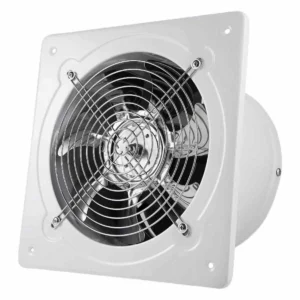
A House Ventilation System consists of several interconnected elements designed to facilitate effective air circulation. Fans are central components, responsible for moving air in and out of the property. Ducts serve as pathways, distributing air to various areas within the home. Filters are essential for capturing particles such as dust, pollen, and other contaminants, enhancing indoor air quality.
Advanced filtration options, including HEPA filters, offer heightened efficiency by removing finer particles. Vents allow for the entry and exit of air, contributing to a balanced flow. Additionally, control systems regulate operations, ensuring consistent performance and adapting to specific environmental conditions. Each component must be properly sized and positioned to achieve optimal performance and efficiency across the system.
Benefits of a House Ventilation System
A House Ventilation System offers numerous advantages by creating a healthier and more comfortable indoor environment. Effective ventilation aids in controlling moisture levels, which is crucial for preventing condensation, dampness, and associated structural issues like mould growth. By continuously exchanging stale air with fresh air, these systems reduce indoor air pollutants, allergens, and unpleasant odours.
Additionally, a properly functioning ventilation system can contribute to energy efficiency by maintaining a consistent temperature, minimising the need for excessive heating or cooling. Improved airflow also enhances overall comfort, promoting a more pleasant living space. These systems play a vital role in safeguarding both the health of occupants and the integrity of the property over the long term.
Installation Process of a House Ventilation System
The installation process of a House Ventilation System involves careful planning and execution to ensure optimal performance. It begins with determining the most suitable locations for components such as fans, ducts, and vents, ensuring efficient air distribution throughout the property. Accurate measurements are taken to properly size the system according to the specific requirements of the building. Ductwork is installed with precise alignment to prevent air leakage and ensure smooth airflow.
Fans and control systems are positioned for maximum functionality, with electrical connections completed to integrate the system seamlessly. Proper sealing and insulation are applied to enhance energy efficiency and maintain consistent operation. Adhering to building regulations during installation ensures the system meets safety and performance standards.
Maintaining a House Ventilation System
Regular upkeep of a House Ventilation System is essential to sustain its efficiency and functionality. Filters should be cleaned or replaced routinely to prevent the build-up of dust and contaminants that can impair airflow and indoor air quality. Ducts and vents require periodic checks to ensure they are free from obstructions and damage. Fans and other mechanical components should be inspected for wear or unusual noises that may indicate underlying issues.
Lubricating moving parts where applicable can also enhance performance. Maintenance schedules may vary depending on the type and complexity of the system, but adhering to them ensures optimal operation. Proper servicing not only improves air circulation but also extends the lifespan of the system.
Cost Considerations for Home Ventilation System
Several elements influence the expenses associated with home ventilation system, including the type of system, the size and layout of the property, and the specific installation requirements. Mechanical systems typically involve higher initial costs due to advanced components and complex designs but can offer improved performance and energy efficiency. Maintenance costs may vary depending on the system’s features, with some requiring more frequent servicing or filter replacements.
Homes with unique architectural designs may necessitate custom solutions, which could further affect overall expenses. Budget planning should also account for potential long-term savings, such as reduced energy consumption or minimised repair costs, as these systems can contribute to maintaining a more efficient and healthier indoor environment over time.
Common Problems with House Ventilation Systems
Common problems associated with House Ventilation Systems often include the accumulation of dust or debris within ducts, which can impede airflow and reduce efficiency. Improper installation or poor sealing of components may lead to air leakage, diminishing the system’s performance. Electrical malfunctions in mechanical components, such as fans, may also arise, affecting their functionality.
Excessive humidity or condensation around vents could indicate insufficient ventilation or blocked airflow pathways. Addressing these issues promptly is essential to prevent further complications and maintain effective air circulation. Regular professional inspections and maintenance can help to identify and resolve such concerns before they escalate.
Innovations in House Ventilation Systems
Recent developments in House Ventilation Systems have introduced advanced features aimed at enhancing functionality and efficiency. Smart sensors capable of detecting humidity, temperature, and air quality now enable automatic adjustments to airflow for maintaining an optimal indoor environment. Integration with home automation systems allows seamless control and monitoring, offering improved customisation and convenience.
Innovations such as energy-efficient designs and enhanced filtration technologies contribute to better air quality while minimising energy consumption. Some systems also feature enhanced noise reduction mechanisms, ensuring quieter operation. These advancements reflect the ongoing focus on creating more efficient, adaptable, and user-friendly ventilation solutions for modern living spaces.
Regulations and Standards for Home Ventilation
Local and national standards outline specific requirements for House Ventilation Systems to ensure adequate air exchange and promote healthy indoor environments. These regulations specify minimum airflow rates, system efficiency, and proper placement of components to maintain effective operation. Building codes often include guidance on ventilation to prevent moisture-related issues such as condensation and mould.
Compliance during installation is essential to meet safety, environmental, and performance benchmarks. Understanding and adhering to these standards ensures that ventilation systems align with best practices and contribute to a home’s overall functionality and occupant wellbeing without compromising structural integrity or energy efficiency.
Environmental Impact of House Ventilation Systems
House Ventilation Systems contribute to reducing energy consumption by enhancing the efficiency of heating and cooling processes. Advanced systems with features such as heat recovery help minimise energy waste by reusing thermal energy from outgoing air. By maintaining balanced airflow and reducing reliance on energy-intensive appliances, these systems support environmentally friendly practices within households.
The use of energy-efficient components and smart controls further optimises performance, enabling systems to adapt to environmental conditions and reduce unnecessary energy usage. Properly designed ventilation solutions can play a key role in promoting sustainability while supporting healthier and more comfortable indoor environments.
Choosing the Right House Ventilation System
Selecting the most suitable House Ventilation System involves evaluating the specific characteristics of the property, such as its size, layout, and existing airflow patterns. The system should be capable of addressing particular needs, including managing moisture levels and maintaining indoor air quality, without unnecessary energy consumption. Advanced systems with energy-saving features or enhanced filtration may be beneficial for those seeking improved efficiency or allergen control.
Consulting with qualified experts can assist in determining the most effective solution, ensuring that the chosen system is tailored to the building’s requirements and integrates seamlessly into its design for optimal performance.
Conclusion
An effective home ventilation system plays a vital role in maintaining healthy indoor air quality, regulating moisture, and reducing pollutants within a property. By supporting consistent airflow, these systems help prevent issues such as dampness, mould growth, and stale air build-up, while also improving overall comfort for occupants. With options ranging from natural to advanced mechanical systems, homeowners can choose solutions tailored to their specific needs. Proper installation, regular maintenance, and compliance with relevant standards ensure long-term performance and efficiency. As technology continues to advance, modern ventilation systems are becoming more energy-efficient, intelligent, and better suited to supporting healthier living environments.
FAQs
What is the main purpose of a home ventilation system?
A home ventilation system is designed to maintain fresh indoor air by exchanging stale air with clean air. It also helps control moisture levels and reduce indoor pollutants for a healthier living environment.
How does a mechanical ventilation system work?
A mechanical ventilation system uses fans and ducts to move air in and out of a home. It ensures consistent airflow regardless of outdoor weather conditions, improving indoor air quality effectively.
Why is maintenance important for ventilation systems?
Regular maintenance ensures filters, ducts, and fans remain clean and functional. This helps maintain efficient airflow, prevents blockages, and extends the overall lifespan of the system.
Can ventilation systems improve energy efficiency?
Yes, many modern systems help improve energy efficiency by regulating airflow and reducing the need for excessive heating or cooling. Some also include heat recovery features to reuse energy.
What are signs of a poorly functioning ventilation system?
Common signs include reduced airflow, persistent dampness, unusual noises, or lingering odours. These issues often indicate blockages, leaks, or mechanical faults that need attention.
| Related Business Listings |
| Contact Directory |
| Local Business Profiles |