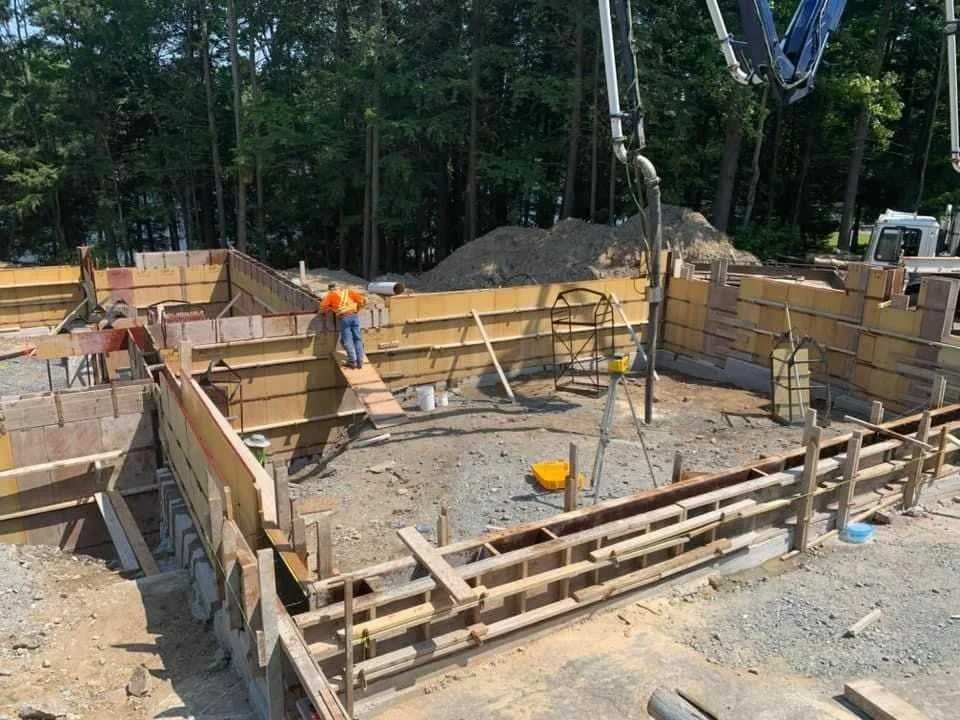
Building a house is exciting but can be daunting without the right guidance. You want your home to stand the test of time, look great, and feel just right. That’s where choosing the right materials and contractors comes into play. We’ll explore the crucial elements of construction house projects, from smart material choices to finding reliable contractors. Whether you’re planning a simple home renovation or a full-scale build, this guide will help you make the best decisions for your project. Let’s dive into the essentials that can make your construction journey smoother and your home perfect.
Understanding the Right Materials
When it comes to building a house, the materials you choose can make or break the project. Think about it—materials affect everything from durability to aesthetics. For instance, opting for high-quality bricks can offer better insulation and longevity. But, choosing the right materials is more than just about cost; it’s about the long-term benefits and suitability for your environment.
Let’s consider wood. It’s a popular choice for many because it’s versatile and easy to work with. Yet, it might not be the best in areas prone to termites or high humidity. On the flip side, concrete blocks are sturdy and fire-resistant, making them ideal for areas needing that extra resilience.
Pro Tip: Always consider the climate and environmental conditions when selecting materials. This can save you from future repairs.
Pros and cons exist for every material. For wood, the pros are its beauty and ease of use, but it can warp and rot. Concrete is durable and low maintenance, yet it’s less flexible in design. Weigh these factors carefully to choose what fits best for your project.
Choosing the Right Contractors
Picking a contractor is like choosing a partner for your project. They need to understand your vision and execute it flawlessly. A good contractor will guide you, suggest better solutions, and ensure quality work. So, how do you find the right one?
Start by asking around. Recommendations from friends or family who’ve built homes can be invaluable. Personal experiences often reveal more than online reviews. Also, don’t shy away from interviewing multiple contractors. It’s your dream home, after all.
Imagine hiring a contractor who seems promising but lacks the experience. A friend of mine did this, and it led to delays and extra costs. So, experience matters. Check their past projects and ask for references.
Pro Tip: Always have a detailed contract in place. It should outline timelines, costs, and responsibilities. This protects both parties.
Pros of hiring a reputed contractor include expertise and reliability. However, they might be costlier and have a tight schedule. Lesser-known contractors can be cheaper but may lack experience. Choose wisely based on your priorities.
Importance of House Extension Ideas
Extending your house is often a great alternative to moving, especially when you love your neighborhood. House extension ideas can not only add space but also increase your home’s value. But, it’s not as simple as it sounds.
When considering an extension, think about what you need. Is it a bigger kitchen, an extra bedroom, or perhaps a sunroom? Each option has its own set of materials and design considerations. For instance, a glass extension might look stunning but needs careful planning to ensure energy efficiency.
I’ve seen a friend’s house transform with a kitchen extension. They used modern materials like steel and glass, resulting in a sleek, functional space. It was a bit pricey but added significant value to their home.
Pro Tip: Before proceeding with an extension, check local regulations. Some areas have restrictions that could affect your plans.
Pros of extending include added space and increased home value. But, it can be costly and time-consuming. Plus, if not planned well, it might not blend with the existing structure, affecting aesthetics.
Focusing on House Exterior Design
The exterior of your house is its first impression. It’s what people see first and sets the tone for the rest of the home. House exterior design is crucial in making your home appealing and can even affect its market value.
You might want a modern look with clean lines or perhaps a rustic charm with wood and stone. Whatever you choose, ensure it complements the surroundings. For example, a sleek, minimalist design might not fit well in a traditional neighborhood.
I’ve always admired homes with lush gardens and natural stone facades. They have a timeless appeal. But, remember, maintaining a garden or a stone exterior can be labor-intensive and costly.
Pro Tip: Use a mix of materials for your exterior. It adds depth and character, making your home stand out.
The pros of a well-thought-out exterior include enhanced curb appeal and increased value. However, it can be expensive to achieve and maintain. Plus, trends change, so what’s popular now might not be in a decade.
Budgeting for Materials and Labor
Let’s face it: building a house is a costly affair. Budgeting is essential to avoid overspending. You need a clear plan that covers both materials and labor. But how do you ensure you stay within budget?
Start by getting multiple quotes from suppliers and contractors. Don’t just go for the cheapest; consider quality and reliability. Sometimes, paying a bit more upfront can save you a lot in future repairs or replacements.
I remember when I helped a friend with their home renovation. They wanted to cut costs and chose the cheapest contractor, but it turned out more expensive in the long run due to hidden charges and poor workmanship.
Pro Tip: Always have a contingency fund. Unexpected expenses are common in construction, and it’s better to be prepared.
Pros of careful budgeting include staying within financial limits and avoiding debt. However, it can be time-consuming to manage and requires constant oversight to prevent deviations.
Dealing with Regulations and Permits
Every construction project must comply with local regulations. It’s not the most exciting part, but it’s vital to avoid legal issues. Permits ensure your house is safe and up to standard.
Permits can vary depending on where you live. They might cover electrical work, plumbing, or structural changes. Missing a permit can lead to hefty fines or forced deconstruction.
I once heard of a couple who built a stunning deck, only to dismantle it because they skipped the permit process. It was a costly mistake they could have avoided with proper research.
Pro Tip: Consult with local authorities or a knowledgeable contractor before starting. They can guide you through the necessary permits and regulations.
The pros of following regulations include safety and compliance, but the process can be tedious and delay your project. Still, it’s better to be safe than sorry.
Considering Sustainability in Construction
In today’s world, sustainability is more important than ever. Building a sustainable home isn’t just good for the environment; it can also save you money in the long run. Plus, it’s becoming a selling point for future buyers.
Think about using recycled materials or installing solar panels. These options reduce your carbon footprint and energy bills. It might cost more initially, but the benefits are worth it.
A friend of mine incorporated green roofs and rainwater harvesting into their home. It reduced their utility bills and gave them a sense of contributing positively to the environment.
Pro Tip: Check for government incentives for sustainable building. They can offset some of the initial costs.
The pros of sustainable building include reduced environmental impact and long-term savings. But, it requires careful planning and can be more expensive upfront. Still, the planet will thank you for it.
Understanding Construction Timelines
Building a house takes time, and understanding the timeline is crucial for planning. It helps manage expectations and reduces stress. But construction timelines can be tricky to predict.
Factors like weather, contractor availability, and permit approvals can affect timelines. A delay in one area can have a domino effect on the entire project.
I’ve seen projects that took months longer than planned because of unexpected weather conditions. It’s frustrating, but sometimes unavoidable.
Pro Tip: Regularly communicate with your contractor. It helps identify potential delays early and find solutions.
The pros of understanding timelines include better planning and reduced surprises. However, it requires flexibility and patience as not everything goes as planned.
Final Thoughts on Materials and Contractors
Choosing the right materials and contractors is key to a successful construction project. It might seem overwhelming, but with the right approach, you can make informed decisions that lead to your dream home.
Remember, it’s not just about cost. Quality and reliability should be top priorities. A well-built home using durable materials can save you headaches and money in the future.
Think of the project as a puzzle. Each piece—materials, contractors, timelines—needs to fit perfectly for a complete picture. And sometimes, investing a little more upfront can lead to greater satisfaction in the long run.
Pro Tip: Stay involved throughout the project. Your input and oversight can ensure the final result meets your expectations.
Pros of careful planning include a smoother process and a home you’ll love. But, it requires time and effort to manage all aspects effectively. In the end, the peace of mind and satisfaction of a job well done make it all worthwhile.
Frequently Asked Questions
What are the most durable house construction materials?
Concrete and steel are among the most durable materials, offering strength and longevity. They withstand harsh conditions but require skilled labor.
How do I verify a contractor’s credentials?
Ask for their license and insurance details. Check their references and past projects. A reputable contractor won’t hesitate to provide this information.
Is it necessary to get permits for house extensions?
Yes, permits are typically required for structural changes to ensure safety and compliance with local regulations. Consult with local authorities.
What factors can delay construction timelines?
Weather, contractor availability, and permit approvals are common factors. Regular communication with your contractor can help manage potential delays.
How can I make my house more sustainable?
Consider using recycled materials, solar panels, and energy-efficient appliances. Check for government incentives to offset initial costs.
Got any thoughts or experiences to share on building homes? I’d love to hear them!