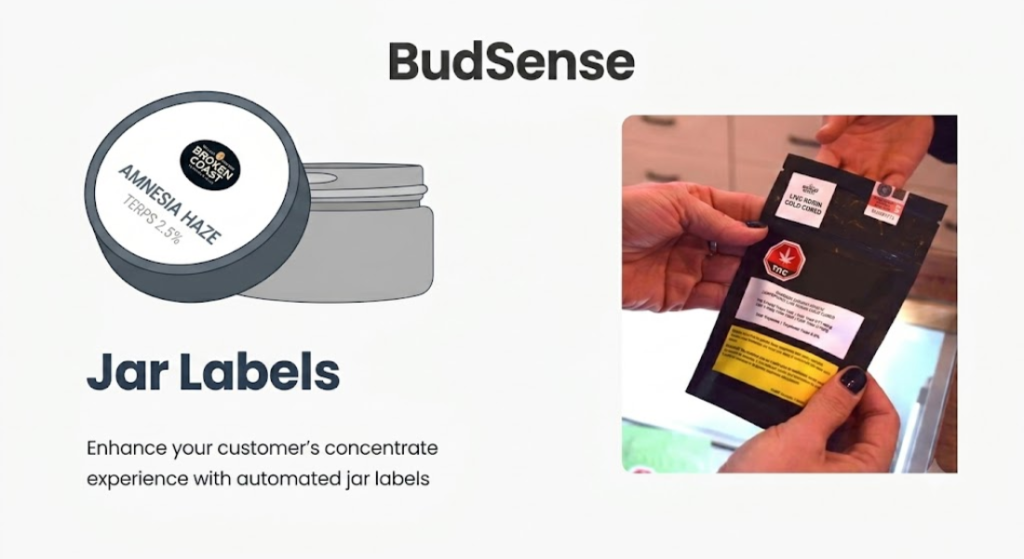
cannabis packaging compliance labels
In the heavily regulated cannabis industry, the margin for error is razor-thin. For dispensary owners and operators, cannabis packaging compliance labels represent far more than just ink on a sticker—they are the legal interface between your business and the regulatory authorities. Staying compliant is not a one-time effort; it is an ongoing commitment to transparency, safety, and operational excellence.
Whether you are operating in a single state or navigating the complexities of multi-state retail, the rules governing how you label your products are designed to protect consumers and maintain market integrity. Understanding these requirements is the first step toward building a sustainable, trustworthy brand that stands the test of time.
Why Compliance Is Your Most Important Asset
Regulatory bodies are increasingly rigorous in their oversight. A single mislabeled batch—whether it contains an inaccurate THC percentage, missing health warnings, or improperly formatted text—can lead to severe consequences. These range from mandatory product recalls and heavy fines to the suspension or even revocation of your retail license.
Beyond the legal risks, compliance is a reflection of your store’s professionalism. When your labels clearly display all required information in an easy-to-read format, you signal to your customers that you prioritize their health and safety. In an industry where trust is the primary currency, transparency is your best competitive advantage.
The Pillars of Compliant Labeling
While regulations vary significantly by jurisdiction, most states mandate a set of core data points to ensure product traceability and consumer safety. To keep your shelves compliant, your labels must typically include:
-
Product Identity: A clear statement of what the product is (e.g., “Cannabis Flower,” “Edibles,” “Concentrates”).
-
Net Contents: Accurate weight or volume measurement, often required in both metric and imperial units.
-
Batch & Lot Tracking: Crucial for product recalls and quality control, these identifiers allow you to trace every unit back to its source.
-
Cannabinoid Content: Accurate percentages or milligram counts for THC and CBD, verified through third-party lab testing.
-
Warning Statements: Legally prescribed health warnings regarding pregnancy, intoxication, age restrictions, and poison control information.
-
Manufacturer Information: Clear contact details for the producer, ensuring accountability.
The Role of Automation in Labeling
The traditional, manual method of labeling—where staff members manually type or write out information for every batch—is inherently prone to human error. In a high-volume retail environment, this inefficiency creates a significant bottleneck and increases your compliance risk.
Modern, automated labeling solutions have revolutionized this workflow. By integrating directly with your inventory management systems or seed-to-sale platforms (like Metrc), these tools automatically pull accurate data for each product. This “Click, Click, Print” approach ensures:
-
Zero Human Error: Data is pulled directly from the lab-verified source, eliminating typos.
-
State-Specific Templates: High-end software provides pre-configured templates that automatically include the correct warnings and layout requirements for your specific state.
-
Scalability: Whether you are updating one label or a thousand, the automated process remains consistent and fast, allowing your team to focus on the customer rather than administrative paperwork.
Designing for Compliance and Shelf Appeal
Many retailers fear that compliant labels must be “ugly” or overly cluttered. However, with the right strategy, you can create labels that are both legally sound and visually appealing. Using high-quality materials that resist smudging and fading ensures that your labels remain legible throughout the product’s lifecycle, which is often a specific regulatory requirement.
Strategic use of whitespace, legible typography, and clear hierarchy allows you to pack in the necessary warnings and data without overwhelming the customer. When done correctly, your compliance labels become a testament to your brand’s commitment to quality.
Conclusion
Navigating the legal landscape of cannabis retail is complex, but with the right tools, it doesn’t have to be a source of stress. Prioritizing cannabis packaging compliance labels is an investment in your dispensary’s longevity and reputation. By embracing automated solutions, you ensure that your store remains compliant while freeing up your team to provide the exceptional service your customers expect. At BudSense, we empower retailers to streamline these vital operations with confidence. Visit BudSense today to learn how our technology can help you maintain perfect compliance and elevate your retail brand.
Frequently Asked Questions
1. What are the consequences of non-compliant cannabis labeling?
Failure to comply with labeling regulations can result in product recalls, severe administrative fines, and, in some cases, the suspension or permanent loss of your dispensary license.
2. Do I need to include a QR code on my labels?
While not always mandatory, QR codes are a best practice. They provide an easy way for customers to access Certificates of Analysis (CoA) or detailed ingredient lists, significantly increasing transparency and trust.
3. How often should I audit my labeling process?
Compliance laws in the cannabis industry evolve rapidly. It is recommended to perform regular internal audits of your labeling process and stay connected with local regulatory bulletins to ensure your templates are always up to date.
4. Can I use the same label template for all my products?
No. Different product types (e.g., edibles vs. flower vs. topicals) have different regulatory requirements. It is essential to use a system that allows for product-specific and state-specific template management.
5. How does automation reduce my risk during a state inspection?
Automation creates a clear digital trail. Because the labels are generated based on verified inventory data, you can demonstrate to inspectors that your process is robust, standardized, and minimizes the risk of manual data entry errors.