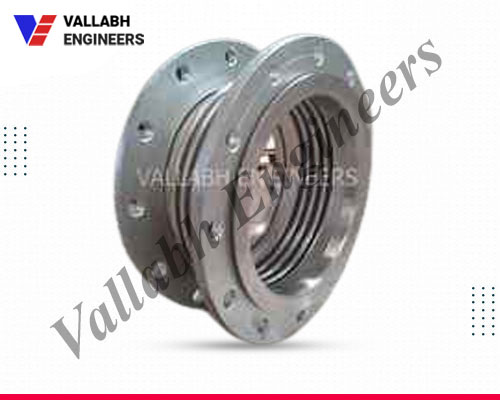
Industrial facilities depend on more than just powerful machinery. Behind the scenes, several engineered components work together to ensure safety, efficiency, and uninterrupted operations. Among them, the Expansion Joint plays a critical role in protecting piping systems, ducts, and equipment from stress caused by thermal movement, vibration, and pressure fluctuations.
Although often overlooked, this flexible component significantly improves the reliability and lifespan of industrial infrastructure. Whether used in manufacturing plants, power stations, chemical facilities, or HVAC systems, an Expansion Joint helps maintain operational stability while reducing maintenance challenges.
Why Thermal Movement Matters in Industrial Systems
Industrial equipment operates under changing temperatures and pressures throughout the day. As metal pipes and ducts heat up, they naturally expand. When temperatures decrease, they contract again. Without proper flexibility built into the system, this continuous movement creates excessive stress that may lead to cracks, leakage, equipment damage, or costly downtime.
Installing an Expansion Joint allows these movements to occur safely by absorbing displacement before it affects surrounding components. This simple yet highly engineered solution protects the integrity of the entire system.
How an Expansion Joint Works
An Expansion Joint is specifically designed to compensate for movement while maintaining a sealed connection between two fixed sections of piping or ductwork. Instead of allowing stress to transfer into pipes, valves, or equipment, the joint flexes to accommodate changes in position.
Depending on the application, these joints can absorb:
- Axial expansion and contraction
- Lateral movement
- Angular deflection
- Mechanical vibration
- Pressure fluctuations
By minimizing stress, an Expansion Joint contributes to smoother and safer plant operations.
Industries That Depend on Expansion Joints
Many industrial sectors experience extreme operating conditions where flexibility is essential. Common applications include:
Power Generation
Power plants operate under high temperatures and steam pressure. Flexible connections help protect boilers, turbines, and steam pipelines from thermal expansion.
Chemical Processing
Chemical facilities require piping systems that can withstand both temperature variations and continuous operation. Flexible joints improve system reliability while reducing mechanical stress.
Oil and Gas
Long-distance pipelines and processing equipment frequently experience pressure changes and environmental temperature shifts. Proper expansion compensation helps maintain operational safety.
Cement and Steel Plants
Heavy industrial facilities generate intense heat and continuous vibration. Expansion solutions improve durability in demanding environments.
HVAC Systems
Heating and cooling systems experience regular thermal cycling. Flexible joints reduce vibration transmission while protecting connected equipment.
Key Advantages of Using an Expansion Joint
Reduces Mechanical Stress
One of the primary functions of an Expansion Joint is relieving stress caused by thermal expansion. This prevents unnecessary strain on pipelines, pumps, and connected machinery.
Extends Equipment Life
Lower stress means fewer mechanical failures. Components remain in better condition, resulting in longer service life and reduced replacement costs.
Improves Operational Safety
Uncontrolled expansion may lead to pipe failure or leakage. Flexible connections reduce these risks by accommodating movement safely.
Minimizes Maintenance Costs
Systems designed with proper expansion compensation typically experience fewer breakdowns and require less frequent repairs.
Controls Vibration
Industrial machinery generates vibration that can travel through connected piping systems. Flexible joints absorb much of this movement, protecting nearby equipment.
Factors to Consider Before Selecting an Expansion Joint
Every industrial system has unique operating conditions. Choosing the right solution requires evaluating several important factors.
Temperature Range
Materials must withstand both operating and peak temperatures without losing flexibility.
Pressure Rating
The selected joint should safely handle expected internal pressure throughout its service life.
Type of Movement
Understanding whether the system experiences axial, lateral, or angular movement helps determine the appropriate design.
Operating Environment
Exposure to chemicals, moisture, dust, or corrosive substances influences material selection.
Installation Space
Available space often determines the size and configuration of the joint required for efficient operation.
Proper engineering evaluation ensures the selected Expansion Joint performs reliably under actual working conditions.
Best Practices for Long-Term Performance
Even high-quality components such as an SS Bellow require proper installation and regular inspection to ensure reliable performance and a longer service life.
Some recommended practices include:
- Verify alignment before installation.
- Avoid twisting during assembly.
- Follow manufacturer movement limits.
- Inspect periodically for wear, corrosion, or damage.
- Replace damaged SS Bellow components before system performance is affected.
Routine inspections and preventive maintenance can significantly extend the service life of an SS Bellow while reducing unexpected downtime and costly repairs.
I prefer this response
Common Misconceptions
Many believe expansion joints are only necessary for large industrial plants. In reality, even medium-sized processing systems experience thermal movement that can gradually damage equipment if left unaddressed.
Another misconception is that all expansion joints perform the same function. Different applications require different materials, pressure ratings, movement capacities, and construction methods. Selecting the correct solution is essential for achieving maximum performance.
The Future of Expansion Compensation
Modern industrial facilities increasingly focus on reliability, energy efficiency, and predictive maintenance. As systems become more advanced, components that reduce stress and improve equipment longevity become even more valuable.
Improved materials, precision manufacturing, and advanced engineering continue to enhance the performance of today’s Expansion Joint designs, allowing industries to operate more efficiently while reducing maintenance expenses and improving workplace safety.
Frequently Asked Questions
1. What is the primary purpose of an Expansion Joint?
Its primary purpose is to absorb thermal expansion, contraction, vibration, and movement in piping and duct systems while reducing mechanical stress.
2. Which industries commonly use expansion joints?
Power generation, chemical processing, oil and gas, steel manufacturing, cement plants, HVAC systems, and many other industrial sectors use them.
3. How does an Expansion Joint improve equipment life?
By minimizing stress and vibration, it reduces wear on connected equipment, helping extend the lifespan of pipes, pumps, and other components.
4. How often should expansion joints be inspected?
Inspection schedules depend on operating conditions, but regular visual inspections during routine maintenance are recommended.
5. Can one Expansion Joint fit every application?
No. Selection depends on temperature, pressure, movement type, material compatibility, and environmental conditions.
Call to Action
Looking for reliable industrial expansion solutions? Vallabh Engineers offers precision-engineered products designed to support demanding industrial applications with quality, durability, and dependable performance. Contact the team to find the right solution for your operational requirements.
Conclusion
Industrial reliability often depends on components that receive little attention but deliver significant value. An Expansion Joint is one of those essential engineering solutions that quietly protects piping systems, absorbs thermal movement, controls vibration, and helps maintain continuous operations.
Rather than viewing it as a simple connector, industries should recognize it as an investment in equipment protection, operational efficiency, and long-term system reliability. Selecting the appropriate solution based on operating conditions helps reduce maintenance, improve safety, and support uninterrupted industrial performance for years to come.